 OBJECT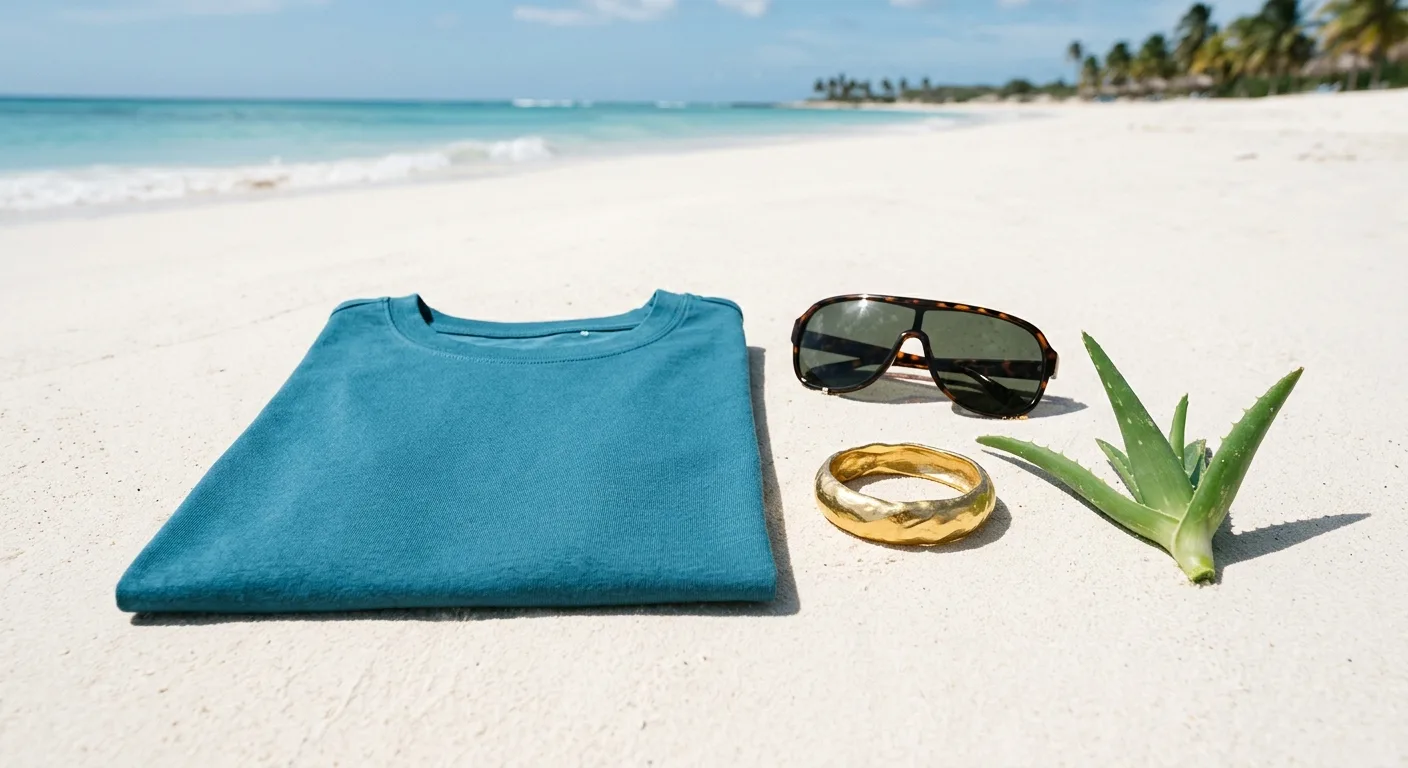
When planning a getaway to the pristine shores of Aruba, the modern traveler seeks more than just a beach; they seek a curated lifestyle experience. As of May 2026, the island has transitioned into a premier destination for value-driven luxury, where the focus has shifted from high-volume tourism to high-quality, sustainable encounters. This evolution mirrors the ethos of Korean design—a movement that prioritizes intentionality, clean lines, and a deep respect for the environment.
For the style-conscious explorer, packing for One Happy Island requires a blend of functionality and high-fashion aesthetics. In this guide, we explore how to integrate the minimalist, design-aware spirit of a Seoul studio into the sun-drenched landscape of the Caribbean. Whether you are navigating the new digital entry requirements or dining in the upscale districts of Oranjestad, your wardrobe should reflect the sophisticated, airy elegance that defines the 2026 island chic trend.
Navigating the New Aruba: A Shift Toward Value and Sustainability
Aruba has undergone a significant transformation in its tourism strategy. As of early 2026, the Aruba Tourism Authority has officially pivoted to a “value over volume” model. This means the island is investing more in preserving its natural wonders and cultural heritage, ensuring that every visitor contributes to the longevity of the ecosystem. For the traveler, this translates to more exclusive experiences, less crowded beaches, and a heightened sense of luxury that aligns perfectly with the Korean design philosophy of ‘less but better.’
One of the most critical updates for 2026 is the mandatory $20 sustainability fee. This fee is processed through the online Embarkation-Disembarkation (ED) card portal, which must be completed within seven days of arrival. This initiative directly funds conservation efforts, protecting the very reefs and white sands that make the island famous. Understanding these logistical nuances is the first step in being a responsible and stylish traveler. When your logistics are seamless, your mind is free to focus on the creative aspects of your journey.
Travel Essentials for 2026
- The Digital ED Card: Complete this early to avoid delays at Queen Beatrix International Airport.
- Sustainability Fee: Ensure your $20 payment is confirmed via the official portal.
- Reef-Safe Sunscreen: Remember that oxybenzone-based products are strictly banned to protect marine life.
- Hydration: Aruba’s tap water is world-renowned for its quality—bring a reusable bottle to minimize plastic waste.
Economically, the island is thriving, with visitor spending in retail and dining reaching record highs. This growth is fueled by a discerning audience that appreciates high-quality materials and unique designs. As you prepare your luggage, consider pieces that transition effortlessly from a morning at Eagle Beach to a high-end dinner. The goal is to look intentional, not accidental. In the world of Korean-inspired streetwear, this means choosing silhouettes that are relaxed yet structured.
The Island Chic Aesthetic: Saturated Tones and Minimalist Silhouettes
The fashion landscape of 2026 is dominated by “Island Chic,” a trend that blends high-energy tropical colors with the restrained elegance of minimalist tailoring. While the island’s traditional palette often leans toward bright neons, the modern interpretation favors saturated jewel tones like deep teal, vibrant orange, and sophisticated peach. These colors resonate with the artistic spirit of Korean design studios, where color is used to evoke emotion and create a narrative.
Fabric choice is paramount when dealing with the Caribbean climate. Aruba remains consistently warm and dry, being south of the hurricane belt, which allows for a wardrobe centered around lightweight, breathable materials. Organic cotton, bamboo fibers, and high-quality linen are the staples of the season. These fabrics not only keep you cool but also age gracefully, developing a soft patina that adds character to your look. A well-constructed heavyweight tee can serve as a versatile base layer for these breezy island evenings.
When building your outfits, think in terms of modularity. The 2026 accessory trends emphasize 3D-printed components and interchangeable parts, allowing you to customize your look on the fly. Oversized “vintage shield” sunglasses and sculptural bangles provide the necessary edge to a simple linen ensemble. By focusing on a few high-impact pieces rather than a suitcase full of fast-fashion items, you embody the sustainable spirit of the island’s new tourism model.
Casual Days and Coastal Explorations
Daytime in Aruba is all about the sun and the sea. Whether you are attending the Aruba Hi-Winds windsurfing event in mid-May or exploring the rugged terrain of Arikok National Park, comfort is non-negotiable. However, comfort does not have to sacrifice style. The Korean streetwear influence is visible in the rise of the premium graphic tee—pieces that feature intricate, nostalgic designs printed on high-quality cotton. These aren’t just souvenirs; they are wearable art that tells a story of adventure and discovery.
Must-Have Daytime Staples
- Wide-Leg Linen Trousers: Perfect for sun protection while remaining breathable.
- Premium Graphic Tees: Look for vintage-inspired motifs that reflect the romance of travel.
- Woven Leather Footwear: A sophisticated alternative to rubber flip-flops for resort walking.
- Modular Crossbody Bags: To keep your essentials secure during island excursions.
For those long afternoons spent by the turquoise water, a tee that captures the essence of summer nostalgia is the perfect choice. Think of designs that evoke the golden age of flight or the crisp, refreshing feeling of a summer breeze. The juxtaposition of a structured, heavyweight cotton shirt with fluid, oversized shorts creates a silhouette that is quintessentially modern and effortlessly cool.
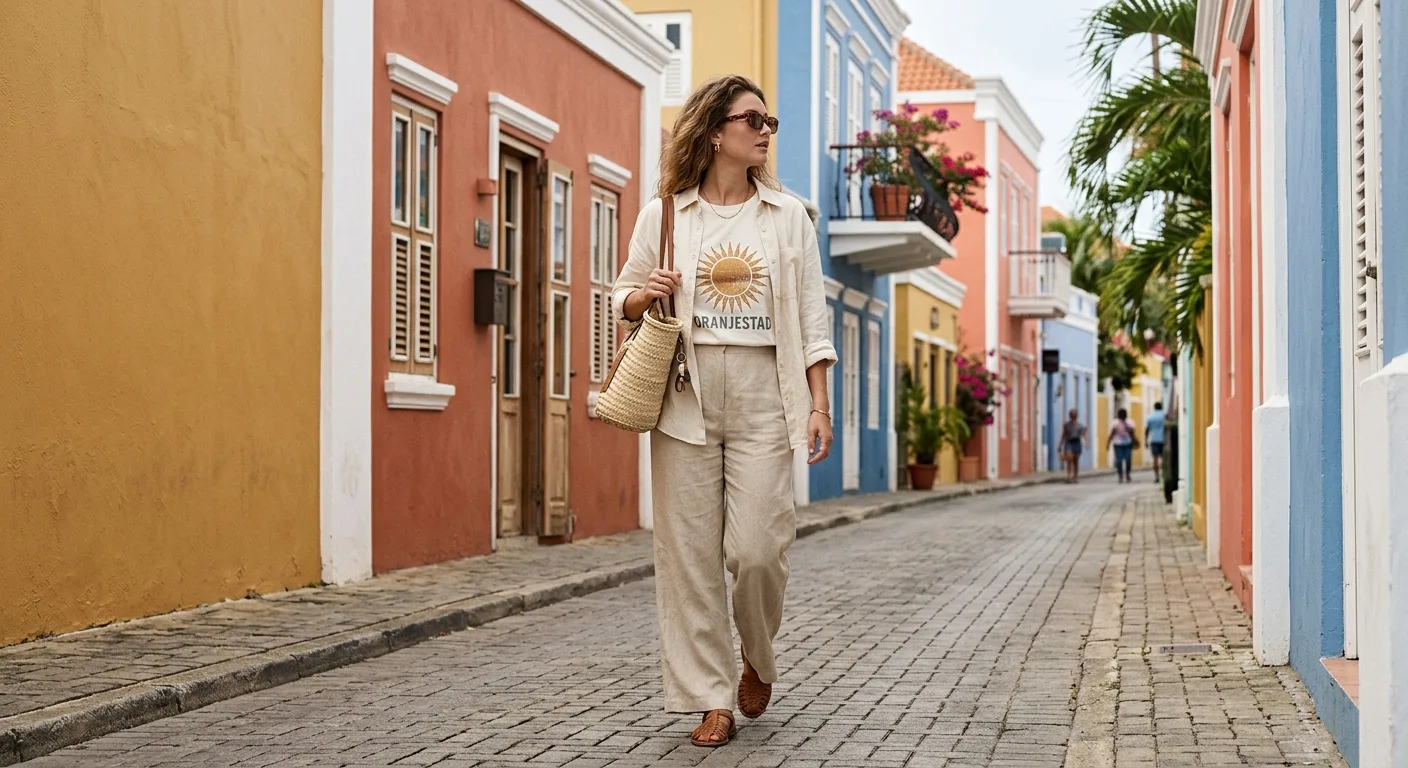
Don’t forget the importance of sun protection. While the island averages only 17-18 inches of rain a year, the sun is powerful. A high-quality crewneck provides an extra layer of defense against UV rays during peak hours. Pairing these functional pieces with artisan-made canvas bags—a local favorite in the boutiques of Oranjestad—creates a look that is both globally aware and locally grounded.
Sunset Sophistication: Dressing for Aruba’s Elite Dining Scene
As the sun dips below the horizon, the island’s atmosphere shifts from playful to polished. Aruba’s dining scene is a major economic driver, with visitors spending millions on world-class culinary experiences. The dress code for these venues is generally “resort casual,” but in 2026, the bar has been raised. Men are opting for tailored linen blazers over premium tees, while women are gravitating toward architectural sundresses paired with bold, sculptural jewelry.
The key to evening dressing in a tropical climate is the “Sunset Garden” aesthetic—a mix of botanical prints and structured silhouettes. This is where the Korean design influence shines, as it often utilizes layered graphics and complex color palettes that feel sophisticated rather than kitschy. A premium tee with a distressed botanical design can be tucked into high-waisted trousers for a look that is both relaxed and ready for a five-star meal.
When selecting your evening attire, consider the color story of the island’s sunset. Peaches, corals, and deep ambers are the colors of the hour. By mirroring these tones in your clothing, you create a visual harmony with your surroundings. Avoid the mistake of over-accessorizing; let one or two high-quality pieces, such as a vintage-inspired watch or a unique 3D-printed pendant, take center stage. This restrained approach is the hallmark of a true design enthusiast.
Sustainable Fashion and the Print-on-Demand Revolution
In line with the island’s shift toward environmental protection, the way we consume fashion is also changing. The traditional mass-production model is being replaced by more thoughtful alternatives, such as print-on-demand. At StyleMZ, our commitment to this model ensures that every garment is created only when it is wanted, drastically reducing waste and overproduction. This philosophy resonates deeply with the 2026 traveler who pays a sustainability fee to enter Aruba—both actions reflect a desire to minimize one’s footprint.
Why On-Demand Matters
- Reduced Waste: No unsold inventory ending up in landfills.
- Fresher Quality: Each item is printed specifically for the customer, ensuring vibrant colors and crisp details.
- Unique Designs: Small-batch production allows for more experimental and artistic graphics that you won’t find in big-box retailers.
- Mindful Consumption: Encourages shoppers to choose pieces they truly love and intend to keep.
Choosing apparel that is made-to-order allows you to carry a piece of the designer’s vision with you. Whether it’s a graphic celebrating a “Sun Hound Club” or a nostalgic “Cold Aisle” aesthetic, these pieces represent a move away from the generic. They are conversations starters that align with the sophisticated, curated vibe of modern Aruba. By opting for high-quality Airlume combed cotton or heavyweight preshrunk jersey, you are investing in longevity.
As you stroll through the boutiques in the Renaissance Mall or the local shops featuring eco-conscious resort wear, you will notice a growing appreciation for this bespoke approach. The modern shopper values the story behind the garment as much as the garment itself. By supporting studios that prioritize original art and sustainable practices, you are contributing to a global shift in the fashion industry.
Mastering the Retro-Nostalgic Look
One of the most prominent trends in 2026 is the revival of retro-nostalgia. This aesthetic draws inspiration from vintage signage, old-school travel posters, and mid-century modern design. In the context of a tropical vacation, this trend manifests as playful graphics that evoke a sense of “cool” even in the island heat. Think of frosty motifs, vintage typography, and a color palette that feels like a technicolor film from the 1960s.
This look is particularly effective when applied to casual staples like the classic crewneck t-shirt. By blending a retro graphic with a modern retail fit, you create a piece that feels both timeless and current. It’s a way to pay homage to the history of travel while remaining firmly planted in the present. This style is perfect for the “value window” of May and June, where the island is a bit quieter and the atmosphere is more contemplative.
To pull off the retro-nostalgic look without looking like you’re in a costume, balance is key. Pair a highly detailed graphic tee with clean, unadorned pieces—like a pair of crisp white denim or simple chino shorts. The graphic should be the focal point. This approach is very common in the streets of Seoul, where high-concept graphics are paired with minimalist basics to create a high-fashion impact. It is a formula that works just as well on the streets of Oranjestad as it does in Myeong-dong.
Frequently Asked Questions
What is the mandatory sustainability fee for Aruba?
As of 2025/2026, all visitors to Aruba must pay a mandatory $20 sustainability fee. This payment is made through the online Embarkation-Disembarkation (ED) card portal before you arrive. The funds are used directly to support environmental conservation and the preservation of the island's natural resources.
Is the tap water in Aruba safe to drink?
Yes, Aruba’s tap water is world-renowned for its purity and high quality. The island uses a sophisticated desalination process to provide fresh, clean water across all districts. Travelers are encouraged to bring reusable bottles to enjoy the water and help reduce the use of single-use plastics.
What should I wear for dinner at an upscale Aruba restaurant?
The standard dress code is 'resort casual.' For upscale dining and casinos, this typically means linen slacks, sundresses, or high-quality knitwear. While the island is relaxed, swimwear is strictly for the beach, and a more polished appearance is expected at fine-dining establishments in 2026.
When is the best time to visit for value and good weather?
May and June are considered the 'best value' months in Aruba. During this period, you can often find hotel rates that are 20-35% lower than the peak winter season, while the weather remains consistently sunny and dry. It is also the time for events like the Aruba Hi-Winds windsurfing competition.
Are there specific sunscreen regulations in Aruba?
Yes, Aruba has a strict ban on sunscreens containing oxybenzone to protect its coral reefs from chemical damage. Visitors must use reef-safe, mineral-based sunscreens. Local brands often provide high-quality alternatives that are safe for both your skin and the marine environment.