 OBJECT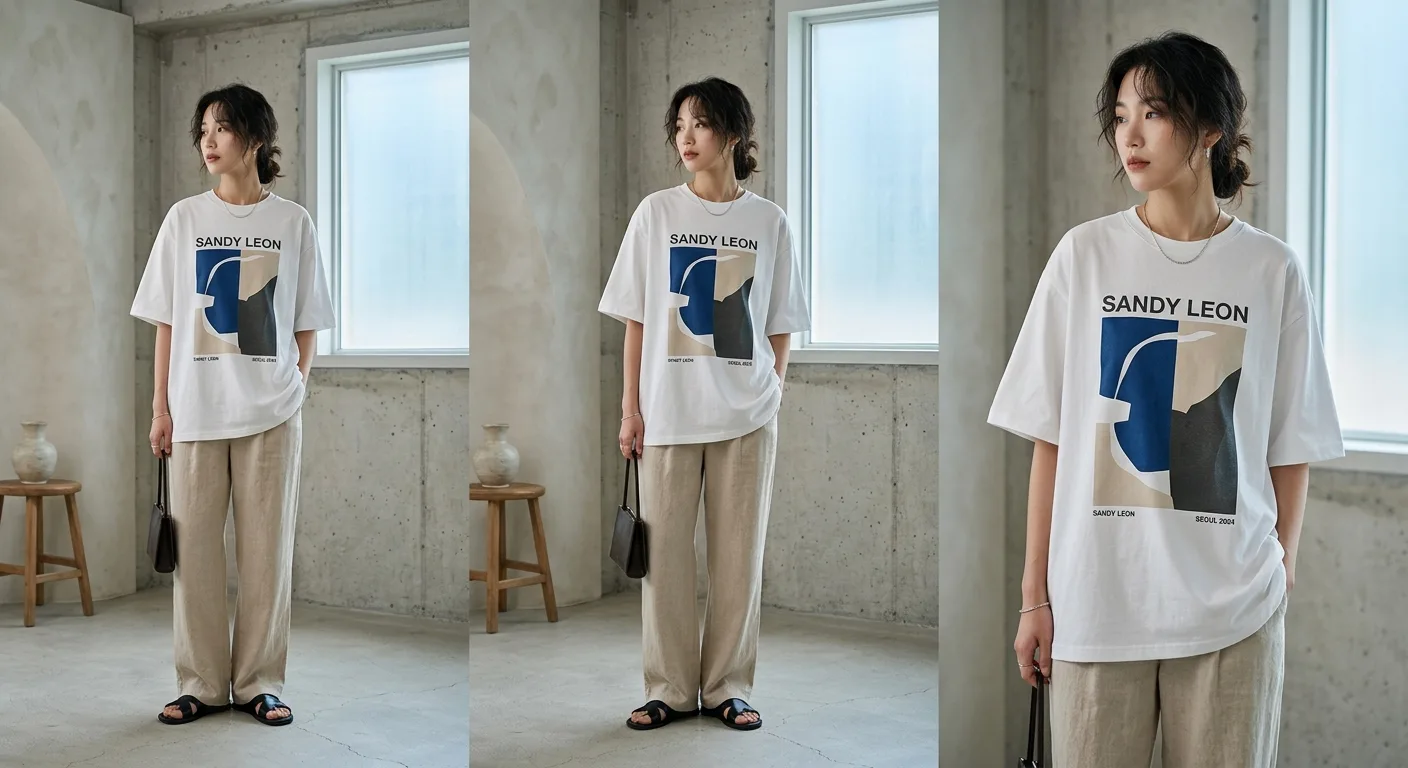
The sandy leon aesthetic has rapidly become the hallmark of the 2026 Korean fashion landscape, representing a shift from quiet minimalism toward expressive, personality-driven design. As a contemporary label specializing in lifestyle apparel, this brand bridges the gap between high-end designer concepts and the accessibility of modern streetwear.
By integrating cutting-edge print-on-demand technology with original Korean design studio sensibilities, the brand offers a fresh alternative to the fast-fashion cycle. This long-form guide explores the rise of the brand, the seasonal trends defining its latest collections, and how you can integrate these limited-run pieces into a sophisticated global wardrobe.
The Rise of Sandy Leon in the Korean Fashion Scene
Emerging from the creative hubs of Seoul, the label has successfully navigated the transition from niche designer project to a global streetwear phenomenon. Unlike traditional brands that rely on massive seasonal inventory, the brand utilizes a print-on-demand model. This allows for rapid iterations and frequent ‘original’ drops that respond to real-time cultural shifts in the Korean fashion scene. The core philosophy centers on the idea that fashion should be a reflection of individual personality rather than a uniform of trends.
As we move through 2026, the brand’s influence is visible in how it blends ‘K-style’—characterized by oversized silhouettes and meticulous detailing—with a graphic-heavy aesthetic. This approach has resonated particularly well with the 2025–2026 fashion cycles, where consumers are increasingly looking for pieces that tell a story. By focusing on ‘affordable luxury,’ the brand ensures that high-quality, unique designs are accessible to a global audience without the environmental cost typically associated with large-scale manufacturing.
Key Pillars of the Brand Identity
- Limited-Run Graphics: Every drop features original artwork that is rarely restocked once the cycle ends.
- Sustainable Production: Producing items only when ordered reduces landfill waste significantly compared to fast fashion.
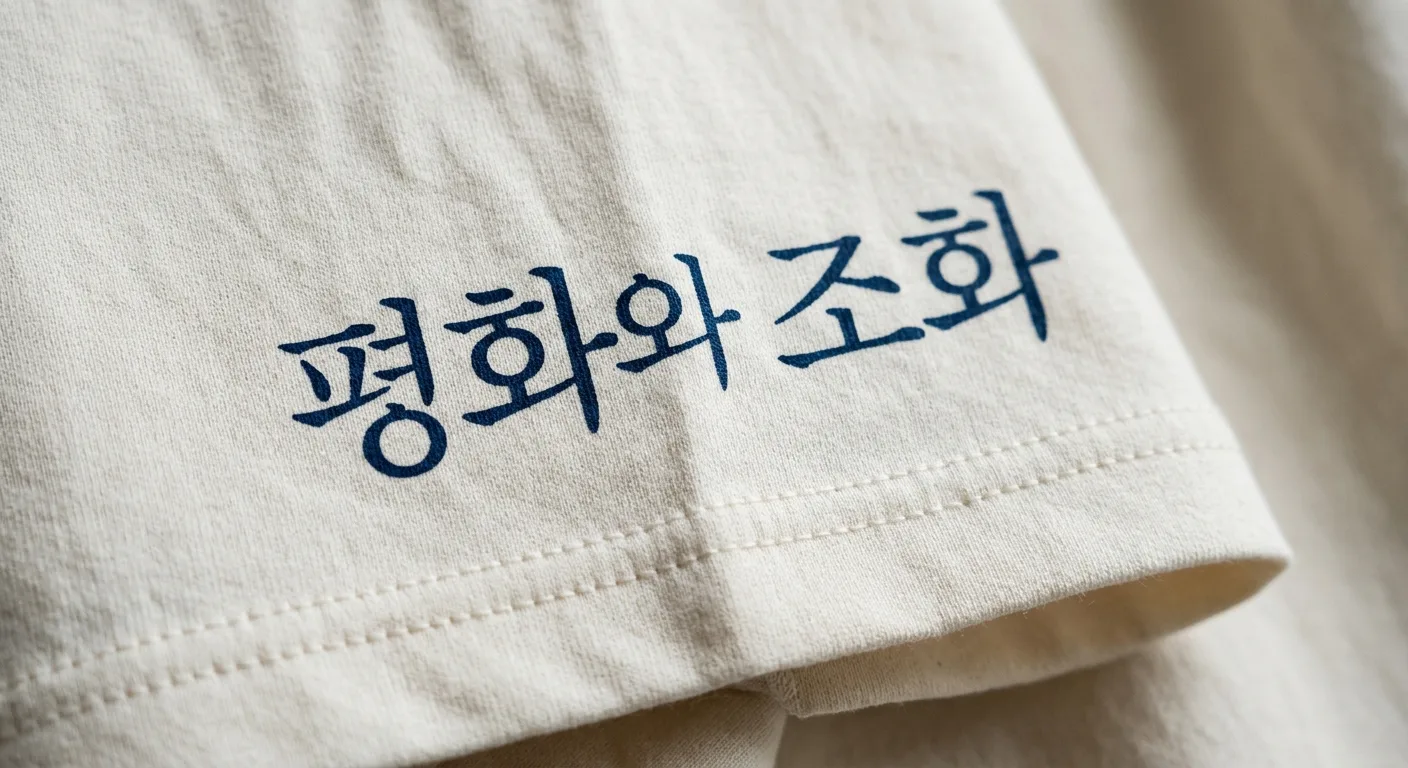
- Cultural Fusion: Designs often blend Western streetwear staples with Korean typography and traditional motifs.
The brand’s success is also attributed to its transparency regarding production. By highlighting the design-to-delivery process, they foster a community of conscious consumers who value the artistry behind their clothing. This shift toward a more deliberate way of shopping is at the heart of the current Korean fashion movement.
Signature Aesthetics: From Halcyon Blues to Archive Beige
The 2026 color palette for the latest collections marks a departure from the stark blacks and whites of previous years. We are seeing a heavy emphasis on ‘Halcyon Blues’—a sophisticated spectrum of teal and turquoise—complemented by ‘Archive Beige.’ These colors reflect a broader trend toward nostalgic yet modern palettes that evoke a sense of calm and reliability. These tones are perfectly captured in the brand’s high-quality jersey fabrics, which provide the ideal canvas for vibrant prints.
One of the standout examples of this color theory in practice is the focus on summer-ready graphics that combine these blues with warm, sunset-inspired hues. For instance, the ‘Wave Buddy’ design showcases how these colors can create a playful yet designer-quality aesthetic. The use of premium 100% Airlume combed and ringspun cotton ensures that these colors remain vibrant even after multiple washes, a common concern for fans of graphic-heavy streetwear.
Why Color Choice Matters in 2026
Color is no longer just a visual preference; it is a mood-setter. In the context of Korean streetwear, ‘Halcyon Blue’ represents a digital serenity, while ‘Archive Beige’ grounds the look in a classic, academic feel. This duality allows wearers to transition their look from a casual daytime outing to a more curated evening event. When styling these pieces, the goal is to balance the bold graphic elements with neutral base layers to let the artwork truly shine.
The brand also experiments with ‘distressed’ color palettes in their more tech-inspired lines. By using muted browns and gritty greys, they appeal to the ‘rebellious digital aesthetic’ that has become popular among urban youth. This versatility in color application is what keeps the label at the forefront of the industry.
Navigating the Preppy Academic and Streetwear Hybrid
A major trend for the 2026 season is the ‘Preppy Academic’ look, which merges sharper, button-down styles with the raw energy of streetwear. This hybrid style involves layering oversized graphic tees under structured blazers or pairing embroidered baseball caps with crisp cotton shirts. The label has leaned into this by offering pieces that maintain a tailored silhouette despite their casual roots.
The integration of digital distortion and mysterious themes adds a layer of complexity to this trend. For those who prefer a more rebellious edge, the ‘Private Signal’ aesthetic offers a gritty take on the tech-inspired lifestyle. This look often features dark, moody palettes and abstract shapes that challenge conventional fashion norms. It is a perfect example of how the brand caters to individuals who navigate the digital world with a unique, defiant spirit.
How to Master the Hybrid Look
- Layering: Use a premium crewneck t-shirt as your base layer and add a structured jacket or an unbuttoned flannel for depth.
- Accessory Balance: Pair a high-tech graphic tee with a classic accessory like a natural cotton tote to ground the outfit.
- Silhouettes: Opt for the ‘retail fit’ which offers side-seaming for a more tailored drape, preventing the look from appearing too baggy.
By focusing on these small details, you can elevate a simple streetwear outfit into a sophisticated fashion statement. The key is to choose pieces that offer both comfort and a clear design intent, which is a hallmark of the original Korean studio approach. This blend of functionality and style is why the brand continues to dominate the ‘lifestyle apparel’ category.
Sustainability and the Print-on-Demand Advantage
In an era where environmental impact is a primary concern for shoppers, the brand’s commitment to a sustainable print-on-demand (POD) model is a significant differentiator. Traditional fashion cycles often lead to overproduction and massive amounts of unsold inventory ending up in landfills. By producing only what is ordered, the label drastically reduces its waste footprint. This ‘made-to-order’ approach is not just a business strategy; it is a movement toward more conscious consumption.
The materials used also play a crucial role in this sustainable framework. Utilizing premium cotton blends and eco-friendly printing processes ensures that the garments are durable and long-lasting. This longevity is essential in a sustainable wardrobe, as it reduces the frequency with which items need to be replaced. For example, the use of side-seamed construction and double-needle stitching in their t-shirts ensures that the garments maintain their shape and integrity over time.
The Benefits of Conscious Production
- Reduced Waste: No excess inventory means less environmental impact.
- Fresh Quality: Every piece is freshly printed for the customer, ensuring it hasn’t been sitting in a dusty warehouse for months.
- Customization Potential: The POD model allows for ‘semi-custom’ options, where users can personalize designer templates.
For the consumer, this means receiving a product that is truly ‘fresh.’ Whether it is a tee inspired by the serenity of the Aegean or a tech-focused graphic, the knowledge that the item was created specifically for you adds a layer of exclusivity and personal connection. This model is becoming the gold standard for designer labels looking to balance creativity with responsibility.
Styling Lifestyle Accessories for a Complete Look
A complete fashion statement goes beyond just clothing; it involves the curated selection of accessories that complement the main pieces. In the world of the brand, accessories like printed satin scarves and embroidered caps are essential for adding a touch of personality. A growing trend in 2026 is styling printed scarves as waist belts or bag accents, providing a pop of color and texture to an otherwise minimalist outfit.
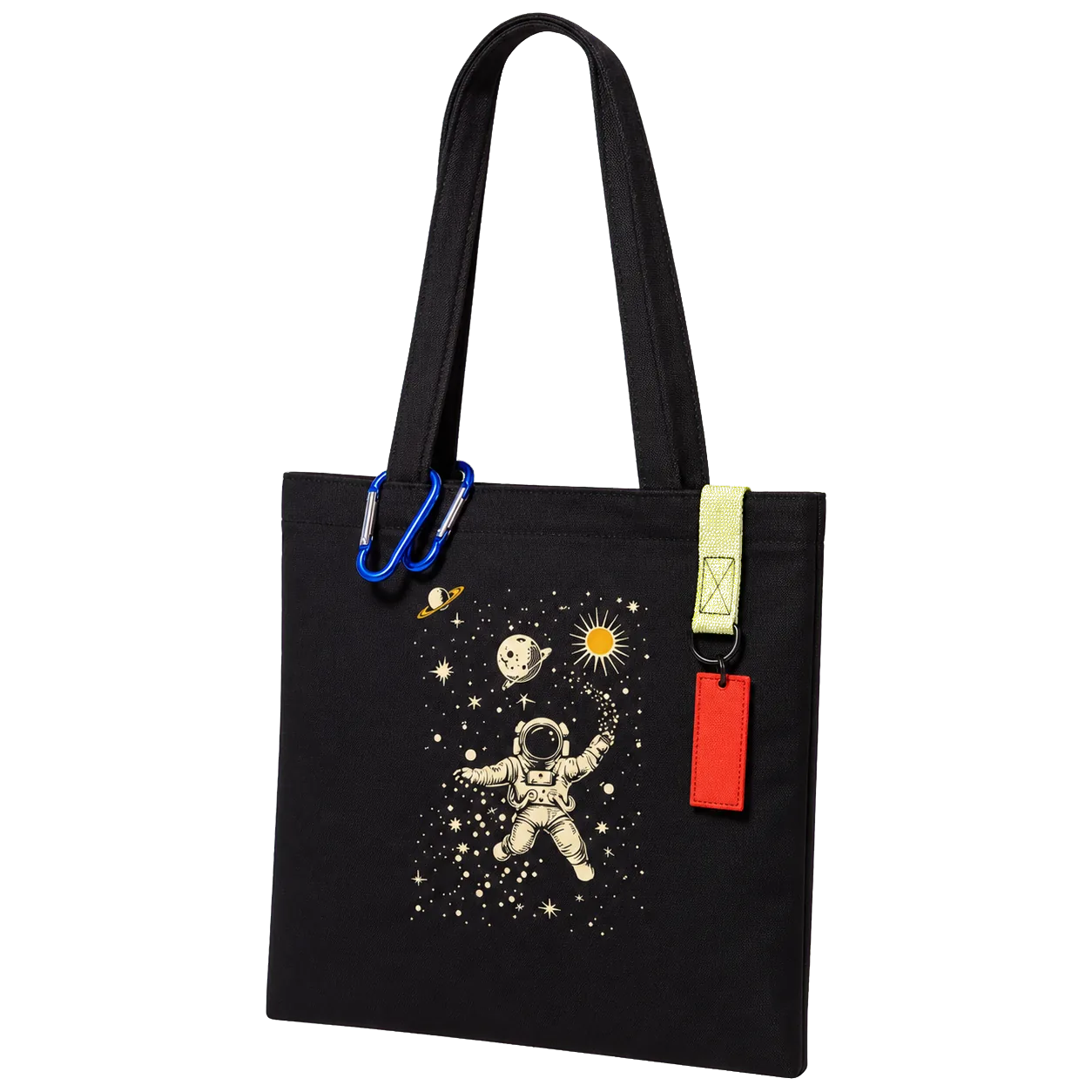
The premium tote bag has also seen a resurgence as a staple of ‘lifestyle apparel.’ Moving away from flimsy promotional bags, the modern tote is crafted from heavy-weight natural cotton and designed for both durability and aesthetic appeal. It serves as a versatile companion for everything from market trips to office commutes, blending practical functionality with clean, contemporary design. This focus on ‘understated quality’ is a key component of the Korean design philosophy.
Essential Accessories for 2026
- Embroidered Caps: Perfect for adding a casual, ‘off-duty’ vibe to a preppy look.
- Heavy-Weight Totes: Look for bags with a substantial fabric weight (at least 300 g/m²) for long-term use.
- Tech Sleeves: Protect your devices with original prints that match your streetwear aesthetic.
When selecting accessories, consider the ‘personality-driven’ aspect of the brand. Choose items that resonate with your personal style rather than just following a trend. This approach ensures that your wardrobe remains cohesive and authentically yours. The minimalist yet design-aware voice of the brand is best reflected when these accessories are used to highlight, rather than overwhelm, the overall ensemble.
Care and Maintenance of Premium Graphic Apparel
To ensure that your designer pieces last for years, proper care is essential. One of the most common questions regarding print-on-demand apparel is how the graphics hold up after multiple washes. Because the brand uses high-quality DTG (Direct-to-Garment) printing, the designs are deeply embedded into the fabric fibers, which prevents the cracking and peeling often seen with lower-quality screen prints. However, certain steps should be taken to preserve the vibrancy of the colors.
Always wash your garments in cold water and inside out. This protects the printed surface from the abrasive action of other clothes in the wash. Furthermore, avoiding high heat in the dryer is crucial. Tumble drying on a low setting or, even better, hanging the garment to air dry will maintain the integrity of the cotton fibers and the crispness of the graphic. These simple steps can double the lifespan of your favorite tees and hoodies.
Pro-Tips for Longevity
- Avoid Ironing the Print: Never apply a hot iron directly to the graphic. If you must iron, do so on the reverse side using a low heat setting.
- Use Mild Detergents: Harsh chemicals can break down the ink over time. Opt for eco-friendly, mild soaps.
- Storage: Store your t-shirts in a cool, dry place away from direct sunlight to prevent the colors from fading.
By treating these items as the designer pieces they are, you contribute to the sustainability of your wardrobe. High-quality construction, such as the shoulder-to-shoulder taping found in the ‘Make today amazing’ series, provides the structural support needed to withstand regular wear while maintaining a ‘fresh’ retail look.
Frequently Asked Questions
How do Sandy Leon sizes compare to standard Western sizing?
The brand typically follows a modern retail fit that is closer to Western standards than traditional, smaller Korean sizing. However, many pieces are designed to be 'unisex' and slightly oversized for a streetwear aesthetic. We recommend checking the specific size guide for measurements in centimeters and inches to ensure the perfect fit for your body type.
How long does the shipping process take for these designer drops?
Since every item is part of a sustainable print-on-demand model, there is a short production period of 2-5 business days before shipping. Once the item is freshly printed and quality-checked, global shipping times vary depending on your location, typically reaching most major regions within 7-14 days. This ensures you receive a pristine, newly made garment rather than one from old stock.
Are the graphics durable enough for regular machine washing?
Yes, the use of advanced DTG printing technology ensures that the graphics are highly durable and resistant to cracking. By following the care instructions—washing cold, inside out, and tumble drying on low—you can maintain the print's vibrancy for dozens of washes. This method is often superior to traditional screen printing for intricate, multi-colored designer graphics.
What makes the print-on-demand model more sustainable?
The traditional fashion industry produces millions of garments that are never sold, leading to massive environmental waste. The print-on-demand model eliminates this 'deadstock' by only manufacturing a product once a customer has purchased it. This significantly reduces fabric waste, energy consumption, and the brand's overall carbon footprint, making it a conscious choice for eco-aware shoppers.
Can I request custom changes to the original designer prints?
While the core collections feature fixed 'original' designs from the Korean studio, a growing trend in 2026 is 'semi-custom' availability. Some drops allow for minor text personalization within the designer's established template. This allows you to maintain the high-end aesthetic of the brand while adding a unique, personal touch to your lifestyle apparel.