 OBJECT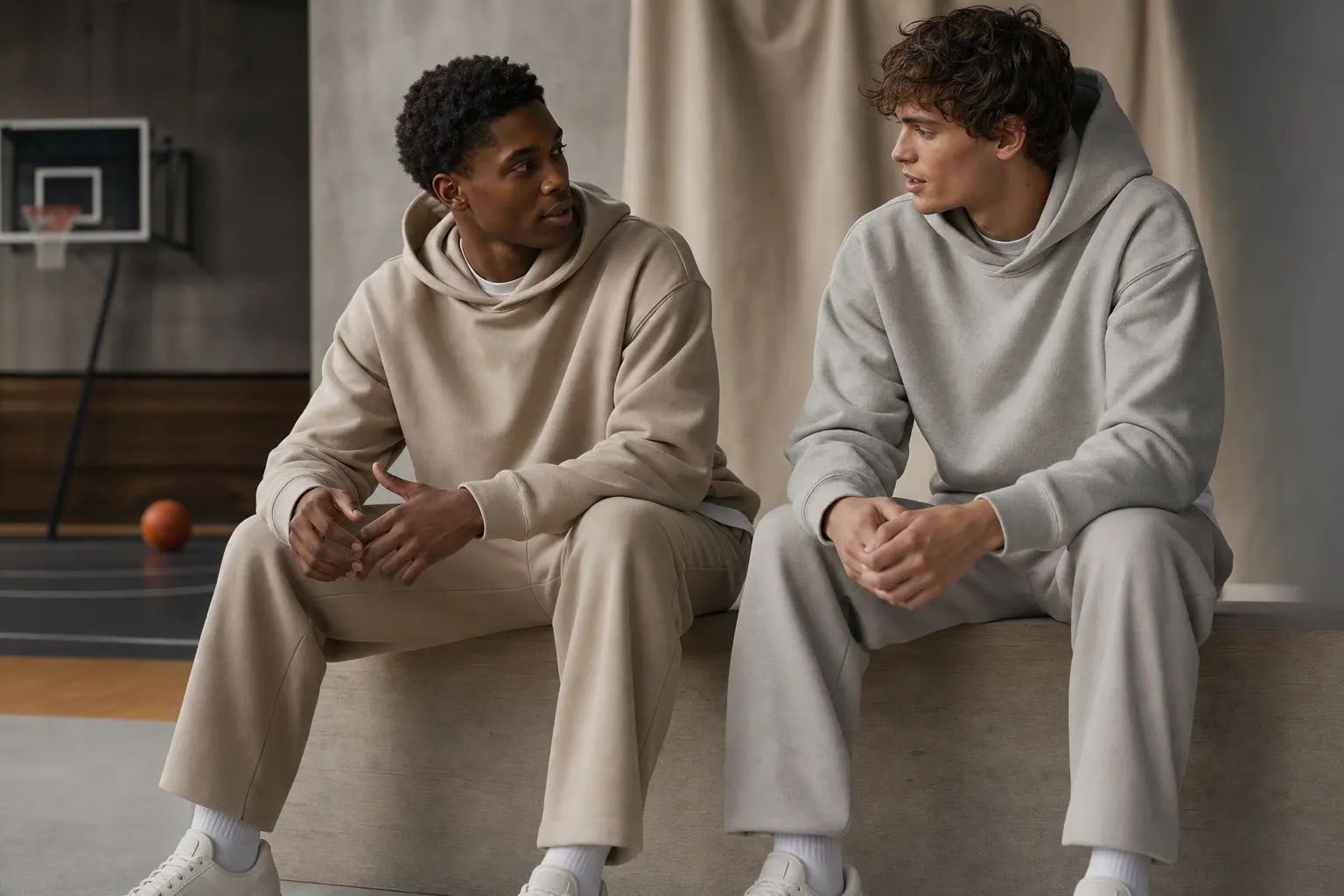
The Caitlin Clark Paige Bueckers interview didn’t just break the internet for basketball fans—it quietly reset the mood board for modern athlete style. Two generational guards, one conversation, and a new template for what confident, relaxed, ultra-competitive style can look like in 2026.
Beyond the stat lines and soundbites, what stands out is their visual language: clean lines, unfussy layers, elevated basics that move like they play. This guide breaks down the energy of that moment and shows you how to translate it into everyday streetwear, through a Korean minimalist lens.
From Highlight Reel to Style Reference: Why This Interview Matters
When two of the most-watched guards in the game sit down together, everything becomes part of the story: the way they move, the way they listen, the way they dress. That joint conversation instantly became a cultural reference point, not just for women’s basketball, but for how athletes present themselves in an era where tunnel walks and postgame clips live forever online.
Instead of hyper-produced styling and heavy logos, what came through was something more interesting: a balance of ease and intensity. Their fits didn’t shout; they set a tone. Loose, breathable silhouettes matched the rhythm of a long season, while sharp, intentional details signaled that this wasn’t just casual—this was considered. It’s the same energy you see in modern Korean design studios: clean, edited, but never flat.
That’s why this moment resonates as a style reference. It shows how athletes are rewriting what performance-adjacent fashion looks like off the court. We’re past the era of head-to-toe branding as the only way to signal status. Instead, minimal graphics, quietly technical fabrics, and smart layering do the talking. Fans don’t just want to dress like players—they want to tap into that controlled, unbothered confidence that comes through in every frame of the conversation.
The New Athlete Aesthetic
- Relaxed tailoring: Roomy cuts that move with you, not against you.
- Soft structure: Hoodies, overshirts, and jackets that hold shape without feeling stiff.
- Neutral palettes: Greys, blacks, creams, and muted color pops instead of loud neon overload.
- Performance-adjacent fabrics: Pieces that look everyday but handle heat, sweat, and travel.
Seen through this lens, the interview becomes more than a content clip—it’s a live case study in how modern players fuse comfort, function, and attitude into a single visual story.
Reading the Fits: Body Language, Silhouettes, and Quiet Confidence
What made that conversation visually compelling wasn’t a single statement piece; it was the total silhouette. Both players leaned into relaxed, slightly oversized proportions that let their posture and facial expressions carry the emotion. When your job is to perform under lights, dressing with ease off the court becomes a form of recovery—your clothes should exhale for you.
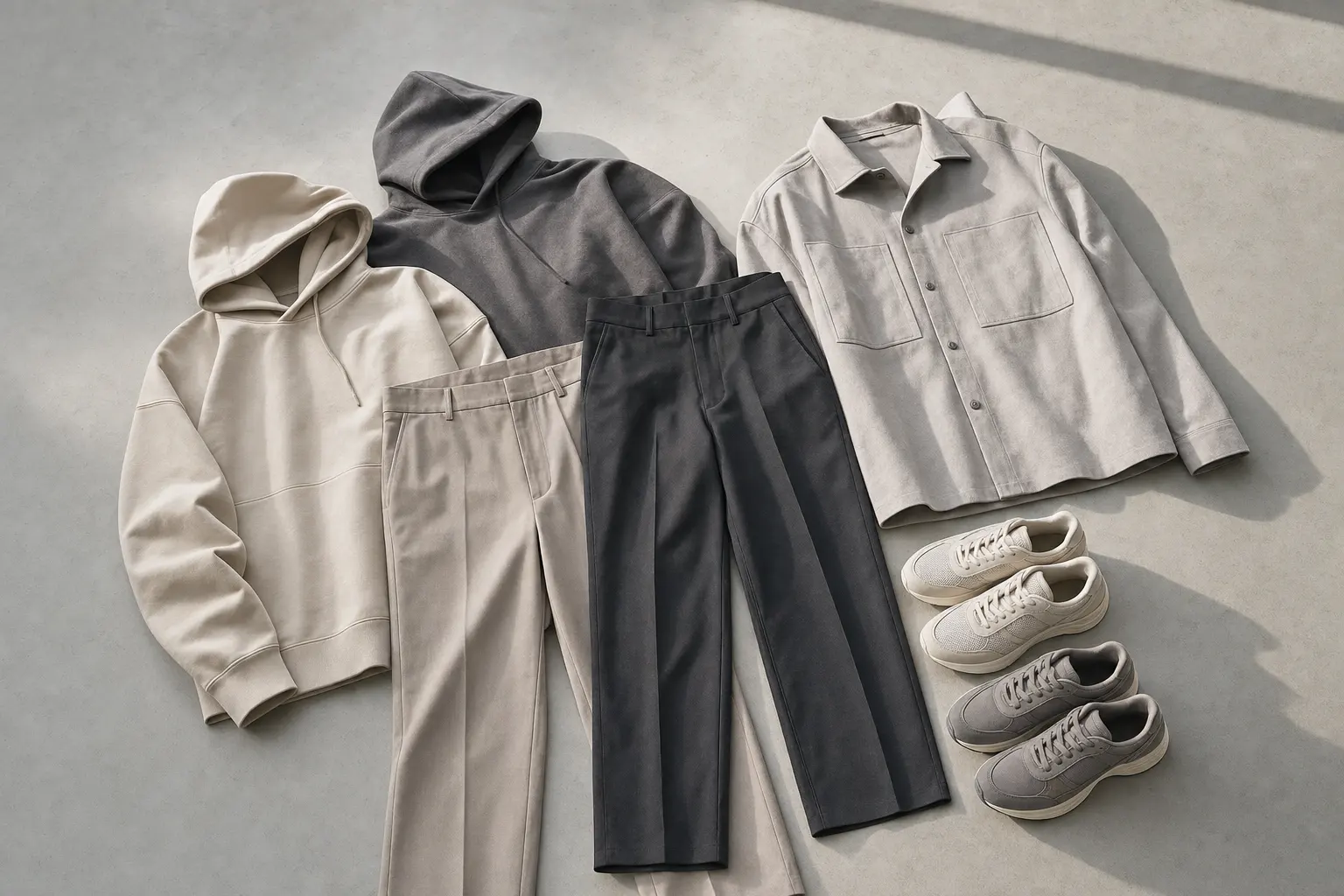
Look at the key elements layered into their interview aesthetics: clean crewnecks, soft hoodies, straight-cut pants, and sneakers that look broken-in rather than box-fresh. Nothing feels costume-like or over-styled. Instead, the clothes become a frame around their conversation—foregrounding their personalities, banter, and mutual respect.
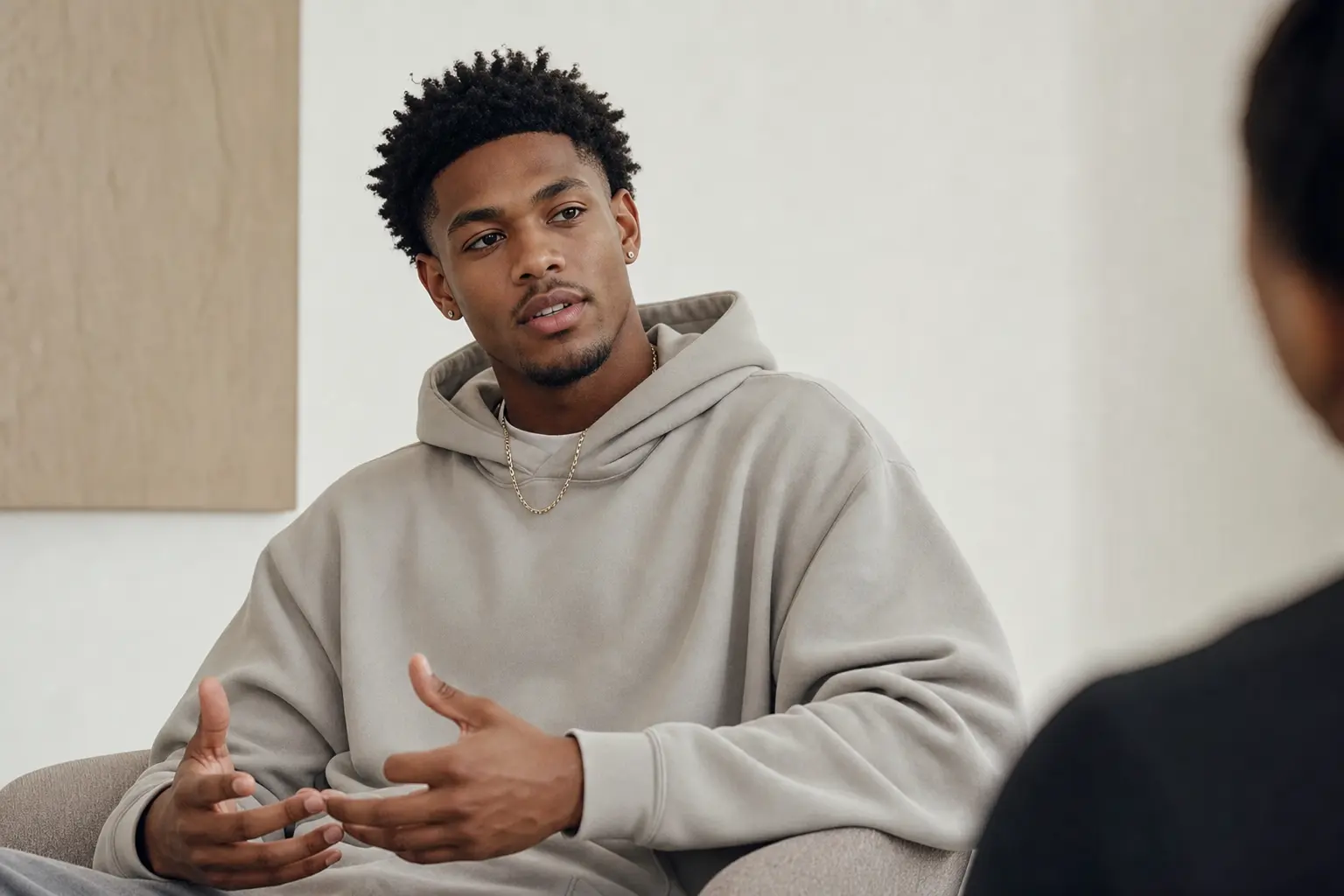
Body language completes the picture. The way they lean in, laugh, or glance at each other makes the outfits feel lived-in, not staged. This is the same principle you can apply to your own wardrobe: prioritize pieces that let you move naturally, sit comfortably, and express with your hands without constantly adjusting hems or waistbands.
Style Signals to Steal
- Soft shoulders: Swap stiff jackets for jersey or lightweight outer layers that drop naturally.
- Mid-rise, straight legs: Pants that skim the body rather than cling or balloon, creating a relaxed vertical line.
- Stacked sleeves: Slightly long cuffs you can scrunch for an easy, off-duty feel.
- No loud flex: Let your expression and conversation be the focus; keep the branding subtle.
The result is a style language that feels both accessible and aspirational. You recognize the comfort, but the balance of proportion, color, and movement gives it that “I didn’t try too hard, but it still looks right” energy that defines modern athlete style.
Why the Caitlin Clark Paige Bueckers Interview Became a Style Blueprint
One reason that shared media moment stuck in people’s minds is that it felt like a passing of the torch and a collaboration at the same time. Two different games, two different personalities, one shared visual code. The camera captured a dynamic that fashion loves: contrast wrapped in cohesion. You could see differences in posture, gesture, and micro-expressions, but their style language stayed in the same universe.
That duality—individual identity inside a shared aesthetic—is exactly what makes their look so wearable. You don’t have to play their position to interpret it. You just need to understand the elements: balanced proportions, gently oversized tops, foundations in black, white, and grey, and one or two subtle details that break the monotony, like a textured fabric, a tonal graphic, or a unique neckline.
When fans talk about that conversation online, they reference the chemistry as much as the outfits. That’s the heart of modern style: it’s less about a single piece and more about how everything works together—personality, movement, and context. The interview set a template for how future stars might appear in long-form conversations: polished but not polished away, comfortable but not careless.
Key Blueprint Elements
- Unified color story: Staying in one tonal family so individual choices still feel connected.
- Elevated basics: Tees, sweats, and jackets with upgraded fabric and thoughtful cuts.
- Effortless grooming: Hair and makeup (if any) that look touchable, not overly constructed.
- Subtle details: Minimalist jewelry, a watch, or small accessories that add dimension without stealing focus.
Think of this blueprint as a starting point rather than a costume. The goal isn’t to copy a look frame-for-frame, but to translate the mood—focused, grounded, quietly competitive—into clothes that fit your life, your city, and your daily routine.
Tunnel Fits, Media Day, and Streetwear: The New Game-Day Wardrobe
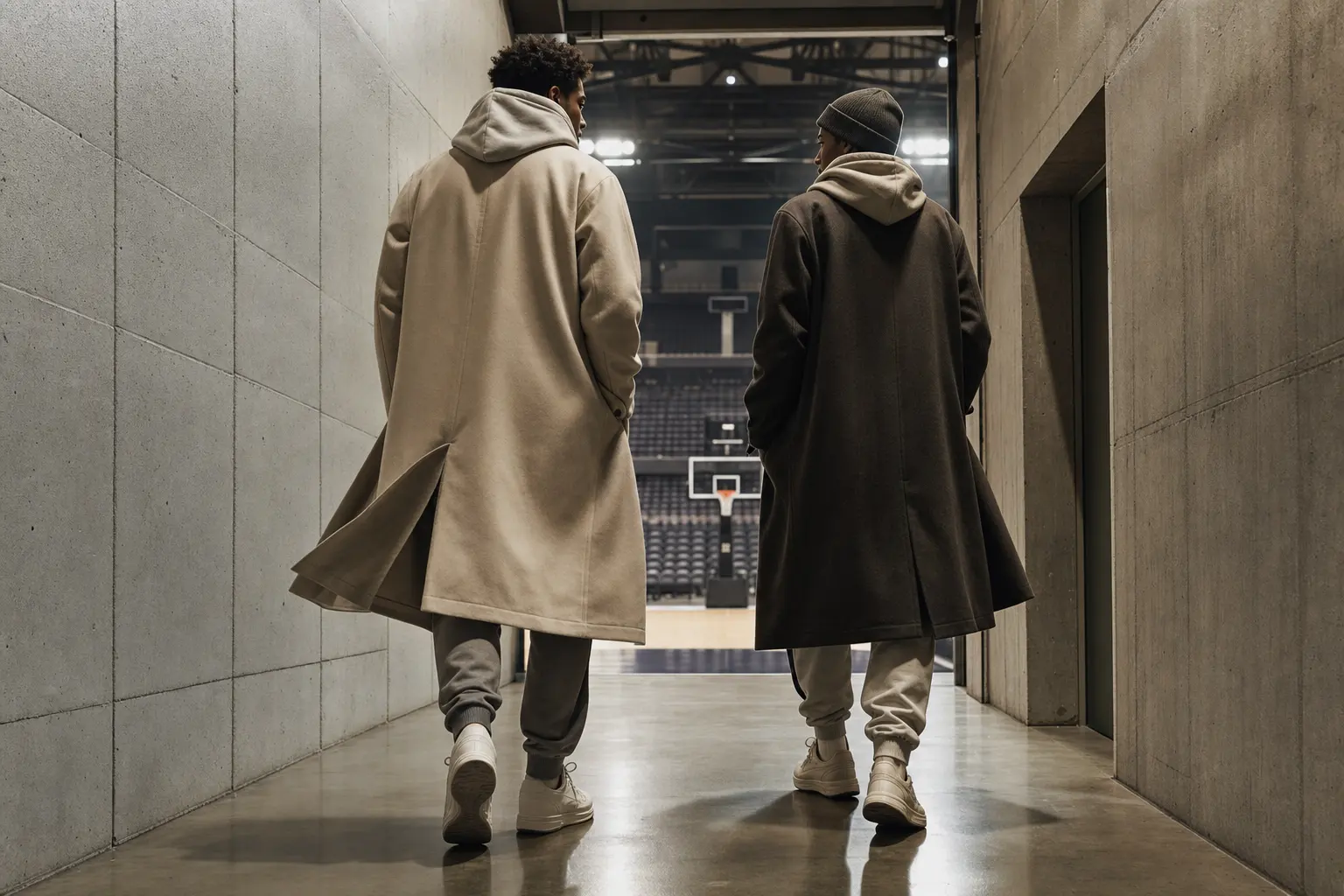
Long before the first tip-off, the story starts in the tunnel. For today’s players, arriving at the arena is almost as documented as the game itself. The same relaxed, intentional energy you see in that shared conversation shows up in their arrival fits: hoodies layered under long coats, wide-leg track pants, softly structured bomber jackets, and sneakers that look as ready for a flight as for a walk across the court.
The media-day version of this style moves only slightly: fewer heavy outer layers, more focus on clean tops and streamlined pants. What doesn’t change is the balance between function and design. Athletes live in transit—buses, planes, hotel lobbies—so their outfits have to handle temperature swings, long sits, and quick turnarounds, all while looking sharp enough for cameras at any angle.
Streetwear sits at the intersection of all these spaces. The shapes and fabrics you associate with performance gear now live comfortably alongside city-ready pieces: cropped puffer vests, tapered joggers, technical shorts layered over compression tights, and heavyweight tees with minimal graphics. The shift is subtle but decisive—moving from logo-first to cut-and-fabric-first.
Game-Day Wardrobe Essentials
- Layering hoodie: Midweight, clean-lined, ideal under a coat or on its own.
- Travel-ready pants: Stretch woven or soft jersey with a tailored cut, no sagging knees.
- Statement outerwear: A single coat or jacket with a strong silhouette to anchor simple basics.
- Understated sneakers: Performance-inspired shapes in neutral or tonal colorways.
If you want to tap into the same universe as your favorite guards, build a mini rotation of pieces that move seamlessly from commute to campus, office, or city walks. The trick is to think like a player: will this still feel good after hours of wear, and does it look intentional from every angle?
How to Recreate Their Energy: Building a Modern Athlete Capsule
Translating the vibe of that now-iconic joint conversation into your own wardrobe doesn’t mean buying a closet full of jerseys. It’s about building a compact, flexible capsule that hits the same notes: comfort, clean lines, and quiet confidence. Start by editing down. A small set of well-chosen pieces will give you more options than an overflowing wardrobe of random trend buys.
Begin with tops. You’ll want two to three high-quality tees (one white, one black, one muted color), a couple of hoodies or crewnecks in neutral tones, and one statement sweatshirt with an interesting texture or graphic. Then add a lightweight overshirt or zip jacket that can function as both a layer and a standalone piece. Think in terms of how these pieces stack, not just how they look alone.
For bottoms, anchor your capsule with one pair of straight-leg pants in a structured fabric and one or two pairs of relaxed joggers or track pants with subtle detailing. Avoid loud stripes or color blocks; the more minimal the detailing, the easier it becomes to mix and match. Finish with one clean pair of sneakers and one more rugged pair you don’t mind wearing hard.
Modern Athlete Capsule Checklist
- 3 core tees: Soft, slightly boxy, in white, black, and a muted accent shade.
- 2 sweat tops: One classic hoodie, one crewneck with a premium feel.
- 1 overshirt or zip jacket: Lightweight, with pockets and a clean front.
- 2–3 bottoms: A straight-leg pant plus joggers or track pants that hold their shape.
- 2 sneakers: One minimal, one more performance-inspired.
Once your capsule is set, styling becomes automatic. You’re no longer asking, “What do I wear?” but “Which combination fits my day’s pace?” That’s the same mentality high-level players use to get dressed between practices, flights, and games—your clothes support your schedule, not the other way around.
Athleisure with a Korean Minimalist Edge
What separates a generic sportswear outfit from a style-driven look is often the design philosophy behind it. Korean minimalist aesthetics prioritize clarity: clean lines, intentional negative space, and a strict edit of details. When you apply that lens to athlete-inspired outfits, you get athleisure that feels architectural rather than messy—perfect for city life, travel days, and long study or work sessions.
Start with color. Instead of mixing ten different shades, choose a single base palette: charcoal and black, cream and stone, or navy and grey. Then, allow one accent color at a time—maybe a muted blue hoodie or a soft green track pant. This mirrors the discipline you see in pro-level wardrobes: tons of variation in texture and silhouette, but a coherent color story across everything.
Fabric choice is where Korean-inspired design really shows. Look for midweight cotton blends, textured piqué, or smooth technical knits that drape cleanly. Details stay minimal: covered zippers, tonal stitching, small-scale graphics, and discreet branding. The goal is to make your outfit feel composed from five meters away and interesting up close, without any single element demanding attention.
Design Principles to Apply
- One focal point only: If your hoodie has a bold graphic, keep the pants and shoes restrained.
- Structured comfort: Fabrics that hold a clean line even when they’re soft and stretchy.
- Tonal layering: Stack pieces that share a color family but vary slightly in shade and texture.
- Hidden function: Pockets, mesh panels, and adjusters that blend into the design instead of shouting “performance gear”.
This approach lets you channel the same calm, focused energy that came through during that joint conversation, but translated into a wardrobe that works whether you’re heading to class, the office, or an evening pickup game.
Styling for Different Body Types and Genders: Making It Your Own
The beauty of the style language we’re decoding is that it’s fundamentally unisex. Relaxed silhouettes, soft fabrics, and minimal detailing translate across body types and gender expressions. What changes is how you play with proportion. Getting this right is the difference between “effortless” and “overwhelmed by fabric.”
If you’re taller or have a longer frame, lean into slightly wider legs and longer hemlines—they’ll echo the vertical lines you naturally have. Cropped or waist-length tops can help break up your proportions, especially if you’re pairing them with looser bottoms. For more compact frames, consider straight or tapered legs and tops that hit at the hip or slightly below; going too oversized on both top and bottom at the same time can obscure your shape instead of relaxing it.
For broader shoulders or fuller chests, prioritize raglan sleeves, dropped shoulders, and soft-constructed jackets that don’t cut into your frame. Those design details echo the way athletes’ apparel is built to move with powerful upper bodies. If you prefer a more androgynous look, keep your silhouettes straighter and avoid heavy waist cinching—let the vertical flow do the work.
Fit Adjustments by Body Type
- Petite frames: Choose one oversized piece at a time (for example, a roomy hoodie with straighter pants).
- Taller bodies: Embrace longer lengths and wider cuts; avoid pieces that stop awkwardly mid-thigh.
- Curvier builds: Look for fabrics with thickness and structure so they skim rather than cling.
- Broad shoulders: Dropped or raglan sleeves help the garment sit naturally without pulling.
The goal isn’t to chase someone else’s exact proportions but to translate the same mood—grounded, ready, relaxed—onto your own frame. That’s how you honor the energy of your favorite players while staying authentic to your own body and style story.
Confidence, Cameras, and Clothing: Dressing for Your Own Spotlight
Every high-profile conversation between star players doubles as a masterclass in how to be on camera for extended stretches. What they wear is only one part of it, but clothing plays a quiet, powerful role in how comfortable they look. When your outfit doesn’t demand constant attention—no slipping straps, no tight waistbands—you free up mental space to be present, funny, sharp.
You might not be sitting under studio lights discussing a playoff run, but job interviews, presentations, and social content all put you in your own version of the spotlight. Borrow a page from modern athlete style: dress in pieces you’ve tested in real movement. Sit, stand, cross your legs, reach forward—if something rides up, pinches, or needs adjusting every few minutes, it’s not interview-ready, no matter how good it looks in the mirror.
Color also affects how you come across on camera. Neutrals and mid-tones tend to read smoother than extremely bright colors or heavy, high-contrast patterns. Think of the muted, controlled palettes that keep the focus on players’ faces and voices during long-form conversations. You want your audience remembering what you said, not the chaos of your outfit.
Camera-Ready Style Tips
- Test drive your outfit: Wear it for a few hours at home before any big moment.
- Avoid heavy shine: Super-reflective fabrics can distract under strong lighting.
- Medium contrast: Pair lights with mids or darks, but skip extreme black-and-white blocking.
- Secure layers: Make sure hoods, collars, and open jackets sit where you want them, even when you move.
When your clothes support you, your presence changes. That calm, centered energy viewers noticed in that joint conversation isn’t accidental—it’s the product of practice, trust, and a visual setup designed not to fight the moment. You can build the same sense of quiet readiness into your own life, one outfit at a time.
Frequently Asked Questions
What can we learn about style from the Caitlin Clark Paige Bueckers interview?
The standout lesson is how powerful relaxed, intentional basics can be when they’re styled with confidence. Their conversation shows that you don’t need loud branding or complicated outfits to make an impact on camera. Instead, focus on clean silhouettes, cohesive colors, and fabrics that move with you. The clothes stay in the background so their personalities and chemistry can take the lead, which is exactly how your own wardrobe should work during important moments.
How do I recreate that modern athlete look without copying their exact outfits?
Start by capturing the mood rather than the specific garments. Build a small capsule of neutral tees, hoodies or crewnecks, straight-leg pants, and clean sneakers, then mix them in simple combinations. Aim for pieces that feel slightly elevated in fabric and fit but still casual enough for everyday wear. When you get the proportions and color story right, you’ll channel the same energy while staying true to your own style and body type.
Can this kind of athlete-inspired style work in an office or classroom setting?
Yes, with a few adjustments, it can translate seamlessly into more structured environments. Swap heavy graphics for solid or minimal tops, choose tailored joggers or woven pants instead of loud track pants, and layer with a clean overshirt or light jacket instead of a strictly sporty piece. The key is to keep the comfort and ease while dialing up the polish so you look intentional, not underdressed. Many modern workspaces and campuses embrace this blend of athleisure and clean tailoring.
What colors are best if I want a similar on-camera presence?
Neutral and mid-tone colors work best if you want that calm, focused presence that translates well on screen. Charcoal, soft black, stone, cream, navy, and muted blues or greens tend to read smoothly under different lighting. These shades echo the understated palettes popular with modern athletes in interviews and media settings. A controlled color story keeps attention on your face and voice instead of pulling focus to your clothes.
How oversized should my pieces be to get that relaxed player vibe?
The goal is relaxed, not drowning. Look for tops that are one size up or cut with a naturally boxy shape, giving you extra room in the shoulders and body without completely hiding your frame. For bottoms, try straight or gently tapered legs with a little ease in the thigh rather than full balloon shapes. If both your top and bottom are oversized, balance them with slightly more structured footwear so the overall silhouette still feels intentional.
Do I need expensive performance fabrics to achieve this look?
You don’t need high-tech fabrics to capture the overall aesthetic, although they can add function if you live an active, on-the-go lifestyle. What matters most is how the material drapes and feels against your skin—midweight knits and cotton blends often work beautifully. Prioritize pieces that hold their shape, resist heavy wrinkling, and feel breathable across a full day. If you later add performance textiles, treat them as upgrades, not requirements, for mastering the look.



























































0 responses