 OBJECT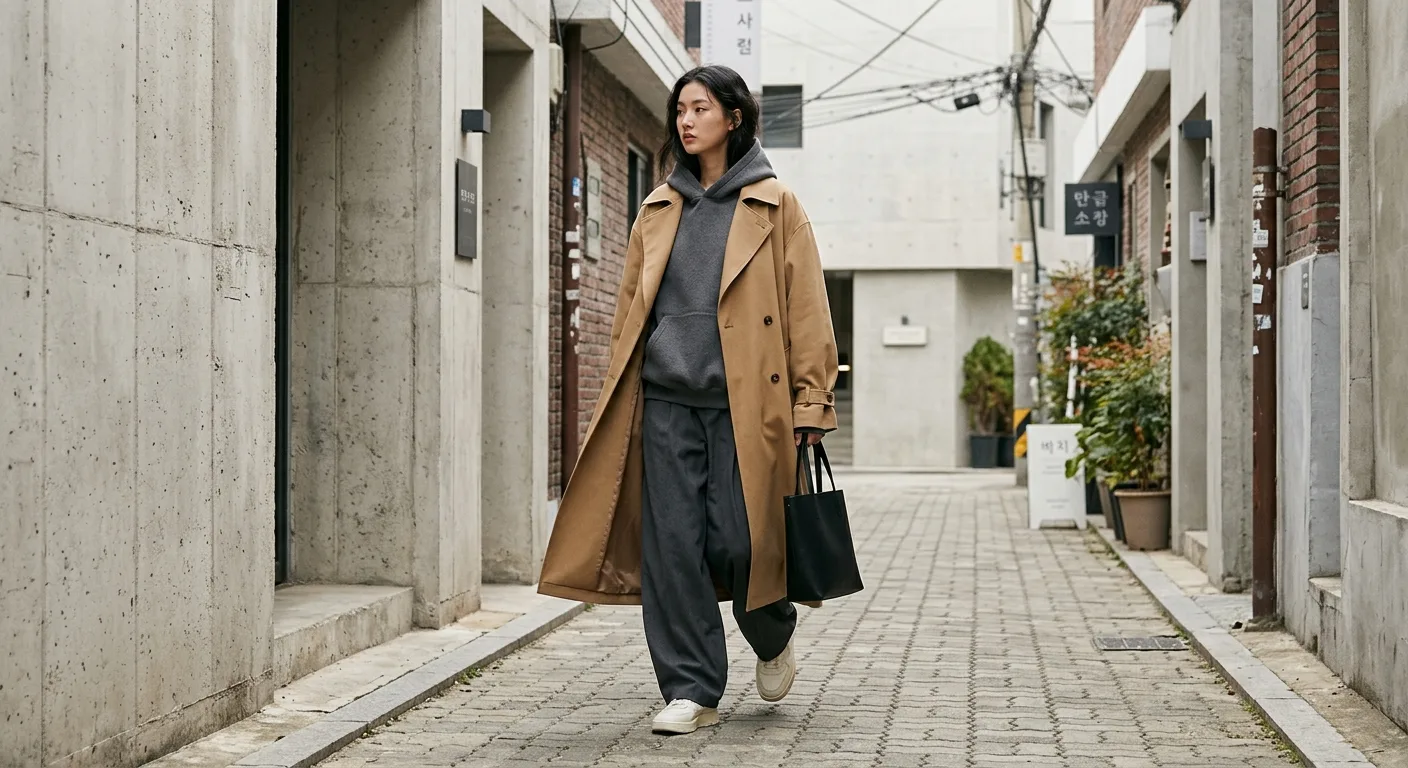
Creating the perfect korean designer hoodie outfit is more than just throwing on an oversized sweatshirt; it is an exercise in intentional volume, textile appreciation, and cultural storytelling. As the South Korean fashion market continues its meteoric rise—projected to reach over $31 billion by late 2026—the humble hoodie has evolved from a gym staple into a high-fashion canvas for the world’s most innovative designers [1].
Today, global trends are dictated by the streets of Seoul, where the “MZ generation” blends luxury sensibilities with casual comfort. Whether you are navigating the urban sprawl of a Western metropolis or the neon-lit alleys of Gangnam, understanding the nuances of Korean garment construction and styling is the key to achieving that coveted, effortless aesthetic. In this guide, we dive deep into the fabrics, silhouettes, and layering techniques that define modern Korean streetwear.
The Anatomy of a Korean Designer Hoodie Outfit
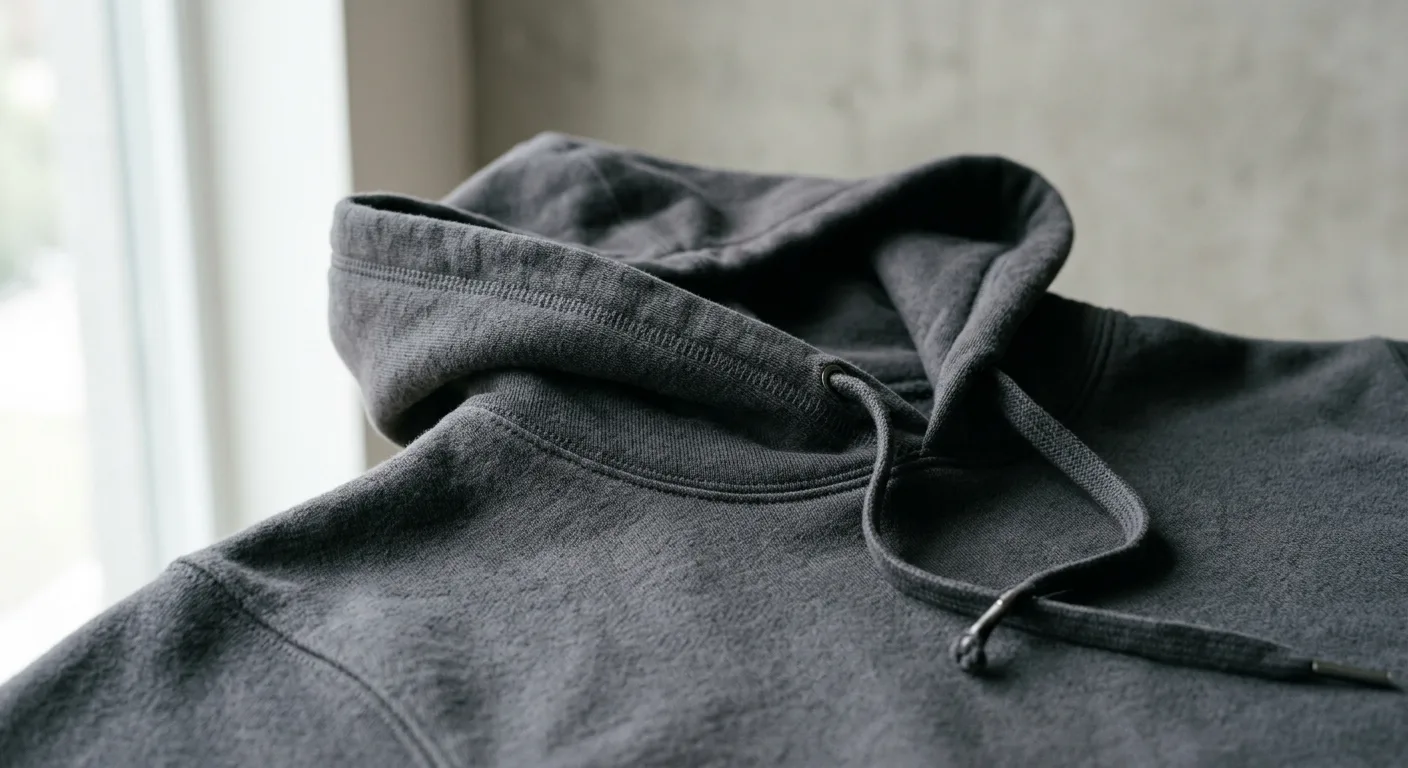
To truly master the korean designer hoodie outfit, one must first look at the fabric. Unlike mass-market alternatives, premium Korean labels prioritize structure over softness alone. The industry standard has shifted toward 300–400 GSM (grams per square meter) heavyweight cotton. This density ensures that the hoodie does not simply drape over the body but instead holds a three-dimensional shape, creating the architectural “balloon” effect that is synonymous with Seoul street style [3].
The fit is another crucial differentiator. While Western oversized fits often focus on width, Korean designers utilize a “dropped shoulder” construction combined with a slightly cropped or cinched waist. This allows the garment to look voluminous and cozy without overwhelming the wearer’s frame. It creates a silhouette that feels curated rather than accidental. When selecting your pieces, look for details like cross-grain body construction, which prevents stretching and ensures the garment remains a staple in your wardrobe for years.
Why GSM Matters
- 300 GSM: Ideal for transitional spring weather, providing breathability while maintaining a crisp look.
- 400+ GSM: The gold standard for winter layering, offering a weighted feel that mimics a light jacket.
- Double-Lined Hoods: A hallmark of quality that ensures the hood stays upright, framing the face rather than falling flat.
By focusing on these technical aspects, you ensure your outfit reflects the high-end craftsmanship that Korean design is known for globally. It is about the tension between comfort and precision.
Styling the Legend: Historical and Modern Fusion
One of the most compelling trends in 2026 is the fusion of historical motifs with ultra-modern streetwear silhouettes. This movement honors the rich heritage of the peninsula while catering to a global audience hungry for unique narratives. A standout example is the use of traditional warrior imagery or calligraphic scripts integrated into heavy-duty pullovers. This creates a bridge between the past and the future, making the hoodie a piece of wearable art.
When styling a piece with deep historical roots, like a Joseon-inspired graphic, balance is key. Avoid over-accessorizing; let the graphic speak for itself. Pair a detailed back-print hoodie with clean, wide-leg trousers in a neutral palette like charcoal or slate. This draws the eye to the artwork while maintaining the minimalist discipline that characterizes the current “New Basic” style popularized by brands like Covernat and thisisneverthat [4].
For a more aggressive, urban look, consider the contrast between high-density graphics and raw denim. The juxtaposition of a soft sponge fleece hoodie with the rugged texture of selvedge denim creates a tactile experience that is very much in line with the “Granola Core” trend—a shift toward unstudied, outdoor-inspired layering that remains incredibly popular in Seoul’s creative districts.
The Rise of Eco-Futurism and Resilience
Sustainability is no longer an afterthought in the Seoul fashion scene; it is a core design pillar. As we move through 2026, “Eco-Futurism” has taken hold, with designers utilizing organic certified cotton and recycled polymers to create garments that feel as good as they look. This trend often manifests in designs that celebrate resilience and transformation, using ethereal imagery like wings or botanical elements to represent a world reborn through chaos.
To style these more delicate, artistic graphics, think about “Liquid Metallic” accents. Pairing a matte grey or black hoodie featuring ethereal prints with metallic or chrome-finished accessories—such as silver-toned bags or tech-wear inspired shoes—creates a “Cyber-Noir” aesthetic that is dominating the 2026 trend cycle. It creates a visual narrative of strength emerging from a digital landscape.
The Eco-Futurist Checklist
- Material Transparency: Look for blends like Airlume combed cotton which reduces water usage during the dying process.
- Print-on-Demand: Support models that minimize waste by only creating what is actually ordered.
- Neutral Tones: Earthy beiges and moss greens are the primary palette for the 2026 sustainable movement.
By choosing garments that prioritize these values, your korean designer hoodie outfit becomes a statement of ethics as much as style. It reflects a sophisticated consumer who understands that the future of fashion is circular.
Urban Exploration: The 'Journey of the Alone' Aesthetic
For many in the MZ generation, fashion is a tool for self-reliance and exploration. The “Journey of the Alone” aesthetic is a subset of Korean streetwear that favors gritty, graffiti-inspired graphics and a rebellious, nomadic spirit. This look is heavily influenced by the skate and bike culture of areas like Seongsu-dong, often referred to as the Brooklyn of Seoul.
To pull off this look, the silhouette must be intentionally oversized. Look for hoodies with a “Balloon Silhouette”—wide sleeves that taper at the wrist and a body that cinches at the hip. This creates a protective shell for the urban explorer. Layering is essential here; try wearing a long-line white t-shirt underneath the hoodie to peak out at the hem, adding a vertical line that breaks up the volume of the sweatshirt.
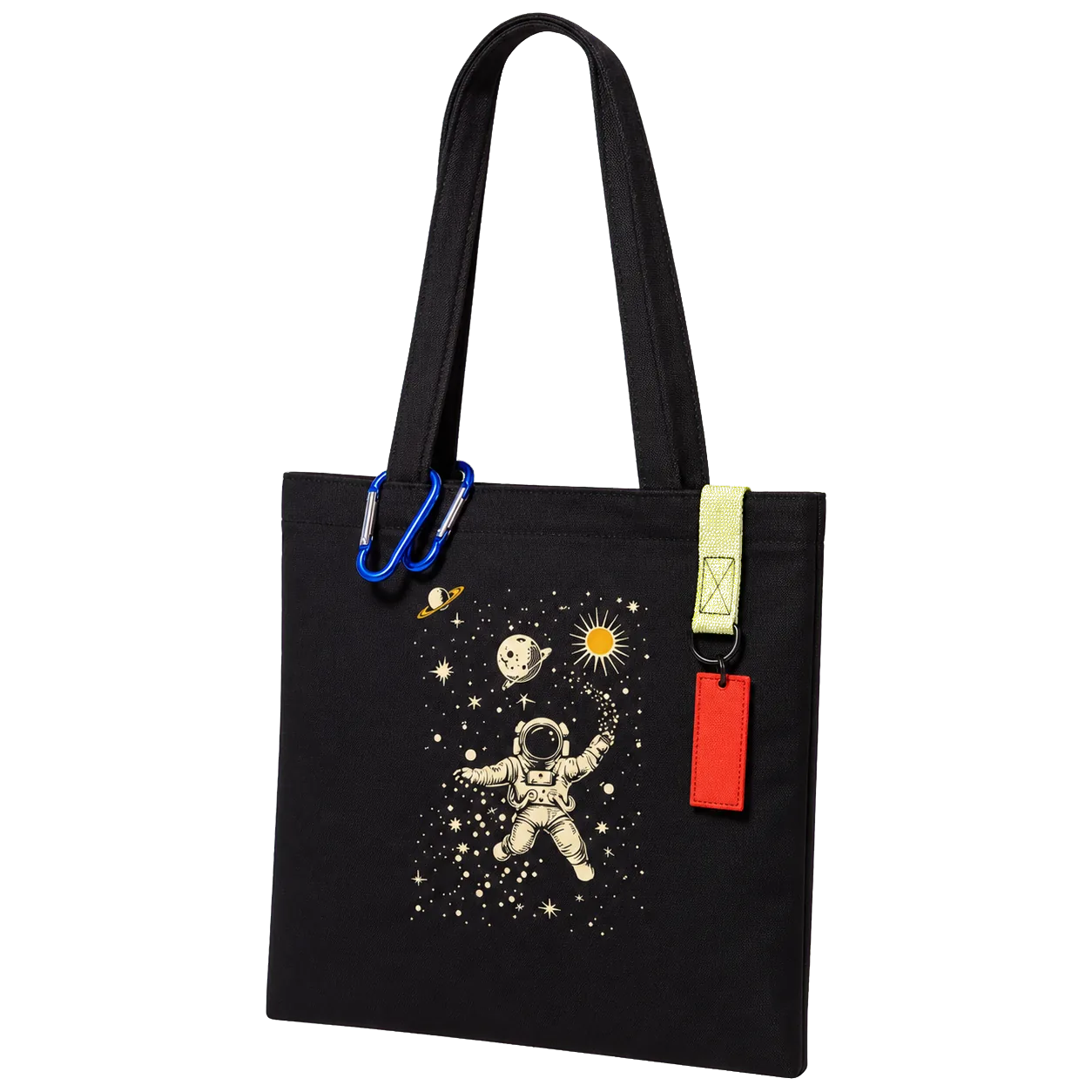
Accessories play a massive role in the urban explorer look. A sturdy tote bag with minimalist graphics or a simple ceramic mug for your morning brew can extend the aesthetic into your lifestyle. It is about the complete vibe, from the clothes you wear to the objects you carry.
Layering Techniques for the K-Drama Look
If you want to achieve the polished look often seen on K-drama leads or K-pop idols, the secret lies in the “high-low” mix. This involves taking a casual korean designer hoodie outfit and elevating it with structured outerwear. A classic move is to layer a heavy, oversized hoodie underneath a long, wool trench coat or a boxy blazer. This creates a sophisticated contrast between the relaxed hood and the sharp lapels of the coat.
When layering, pay attention to the colors. Monochromatic outfits—where the hoodie, trousers, and coat are all varying shades of the same color (like cream, camel, or grey)—are a staple of the “Quiet Luxury” trend that remains influential in 2026. This creates a streamlined, expensive look that hides the casual nature of the hoodie itself. For a more youthful, “Idol” inspired vibe, try the “Tucked-In” method: tuck the front hem of your hoodie slightly into your waistband to reveal your belt and lengthen your legs, a technique frequently used to balance oversized proportions [6].
Essential Layering Pieces
- The Overcoat: A wool blend coat in black or beige is the ultimate companion for a designer hoodie.
- The Technical Vest: For a more streetwear-focused look, a utility vest with multiple pockets adds texture.
- The Base Layer: A simple, high-quality t-shirt provides a pop of color or a clean white edge at the neckline.
Even a simple graphic tee can be a powerful layering tool, providing a peek of a vibrant design like the Taegeukgi symbol when your hoodie is unzipped or worn loosely. It adds a layer of cultural pride and visual interest to an otherwise simple ensemble.
The Technical Side: Sizing and Maintenance
One of the most common hurdles when buying Korean designer pieces is the sizing. While many brands are shifting toward a “Global Fit,” many original Seoul-based studios still design with a specific silhouette in mind that may run smaller or significantly wider than Western standards [5]. Always refer to the GSM and the specific measurements of the shoulder-to-shoulder width. In 2026, the trend is moving toward a “One Size Fits Most” philosophy that relies on the drape of the fabric rather than traditional sizing metrics.
Maintenance is equally important for preserving the life of your korean designer hoodie outfit. High-end sponge fleece and heavyweight cotton require care to maintain their shape. Always wash your hoodies inside out in cold water. This protects the graphic prints and prevents the outer fibers from pilling. Avoid the dryer whenever possible; air drying is the best way to ensure the “cross-grain” construction doesn’t warp over time.
“Style is a way to say who you are without having to speak. In the context of Korean design, it is about the quiet confidence of quality and the bold expression of the soul.”
Finally, be wary of the market. With the surge in popularity of Korean fashion, fraudulent websites often impersonate top designers. Stick to official design studios and trusted platforms that offer made-to-order models. This not only guarantees authenticity but also supports the original creators and a more sustainable fashion ecosystem [2].
Shop the collection: Korean graphic tees, Korean long sleeve shirts, Korean sweatshirts, Korean hoodies and Korean tank tops – original graphics designed in Korea, made to order.
Frequently Asked Questions
Does Korean designer sizing run small compared to US/EU sizes?
In many cases, yes. While oversized fits are common, the actual measurements for the chest and waist can be narrower than Western standard sizing. It is generally recommended to size up by one if you prefer a traditional fit, or stick to your size for the intended cropped-and-wide Korean silhouette. Always check the shoulder-to-shoulder measurements specifically.
How can I tell if a Korean hoodie is high quality?
The weight of the fabric is the best indicator; look for a GSM (grams per square meter) between 300 and 400. High-quality hoodies will also feature double-lined hoods and side-seamed construction, which helps the garment retain its shape after washing. Cheaply made hoodies often lack this internal structure and will sag or twist over time.
What is the 'Balloon Silhouette' and how do I wear it?
The balloon silhouette refers to a garment that is very wide in the sleeves and body but cinches tightly at the cuffs and hem, creating a rounded, voluminous shape. To wear it successfully, pair it with either very slim trousers to create contrast or equally wide-leg pants for a full 'oversized' look. Avoid mid-range fits, as they can make the outfit look unbalanced.
How do I care for a hoodie with a graphic print?
To preserve the artwork, always turn the garment inside out before washing in cold water. Use a gentle cycle and avoid bleach or harsh detergents. Never iron directly over the print; if you must remove wrinkles, use a garment steamer or iron the garment inside out on a very low heat setting to prevent the design from cracking or peeling.