 OBJECT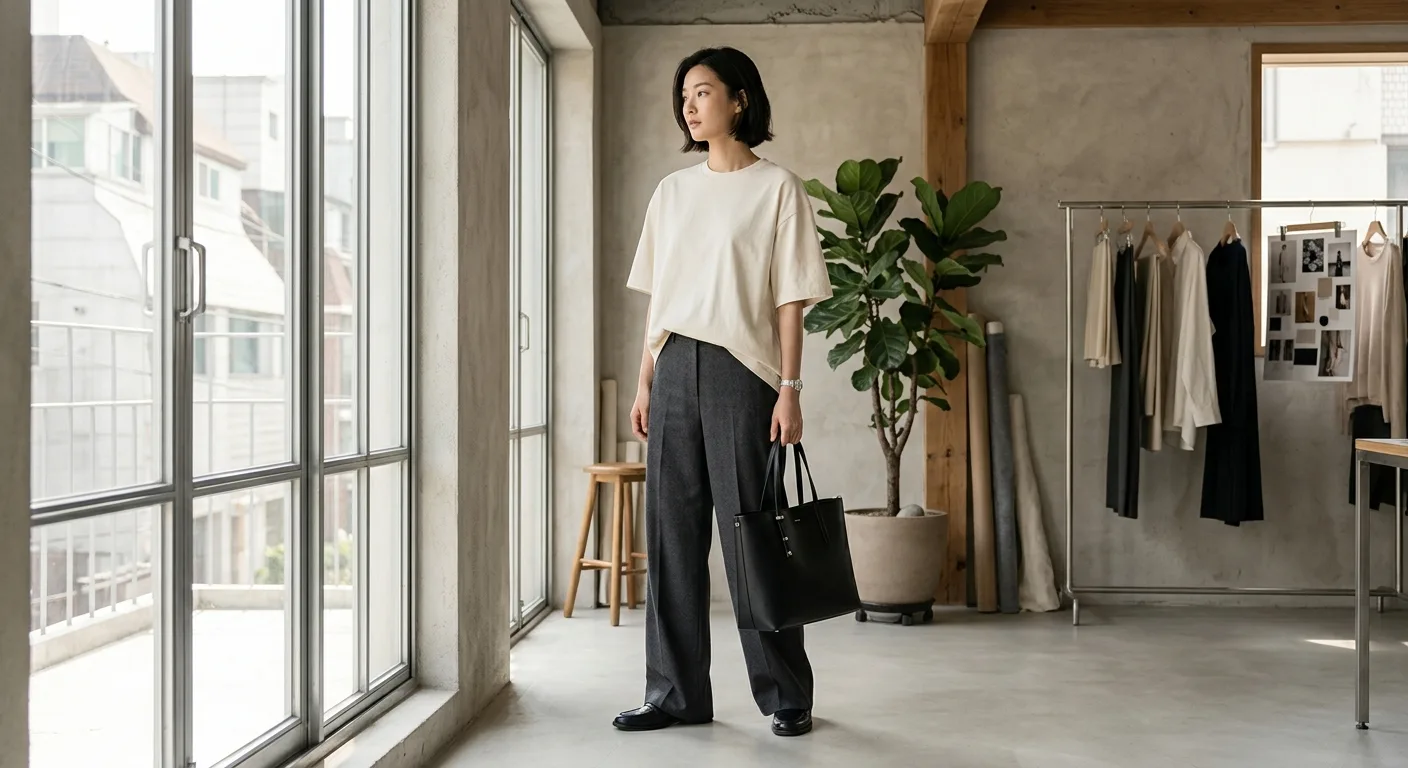
Mastering korean minimalist tee styling is about more than just wearing a plain shirt; it is an exercise in precision, proportion, and intentionality. In 2026, the global fashion scene has turned its eyes toward Seoul, where the “You Only Need One” (YONO) philosophy has redefined how we approach everyday basics. This movement prioritizes high-quality, versatile pieces that serve as the foundation for a sophisticated, effortless wardrobe.
As South Korean design studios continue to innovate with eco-friendly fabrics and architectural silhouettes, the humble t-shirt has been elevated to a statement of “Quiet Luxury.” Whether you are aiming for the edgy Acubi aesthetic or a streamlined professional look, understanding the nuances of Korean minimalism will transform your daily rotation. This guide explores the essential techniques to help you curate and style these iconic pieces with the confidence of a Seoul insider.
The Evolution of Korean Minimalist Tee Styling in 2026
The landscape of Korean fashion has undergone a significant transformation leading into 2026. While previous years focused on loud logos and fast-fashion cycles, the current era is defined by “Industrial Rawness” and a deep commitment to textile innovation. The South Korean government’s recent $27 million investment into sustainable textiles has birthed a new generation of heavyweight, organic cottons that retain their structure through hundreds of wears. This shift toward durability is the backbone of modern korean minimalist tee styling.
Today’s minimalist aesthetic moves away from the sterile and toward the textured. We are seeing a rise in “dry” hand-feel fabrics and distressed but expensive-looking finishes. Instead of bright, flat colors, the 2026 palette favors complex neutrals: bone, charcoal, weathered sage, and deep navy. These colors allow the silhouette to take center stage, emphasizing the craftsmanship of the garment rather than a distracting print. This approach aligns perfectly with the YONO consumption trend, where one perfectly cut tee replaces five mediocre ones.
Key Elements of the 2026 Aesthetic
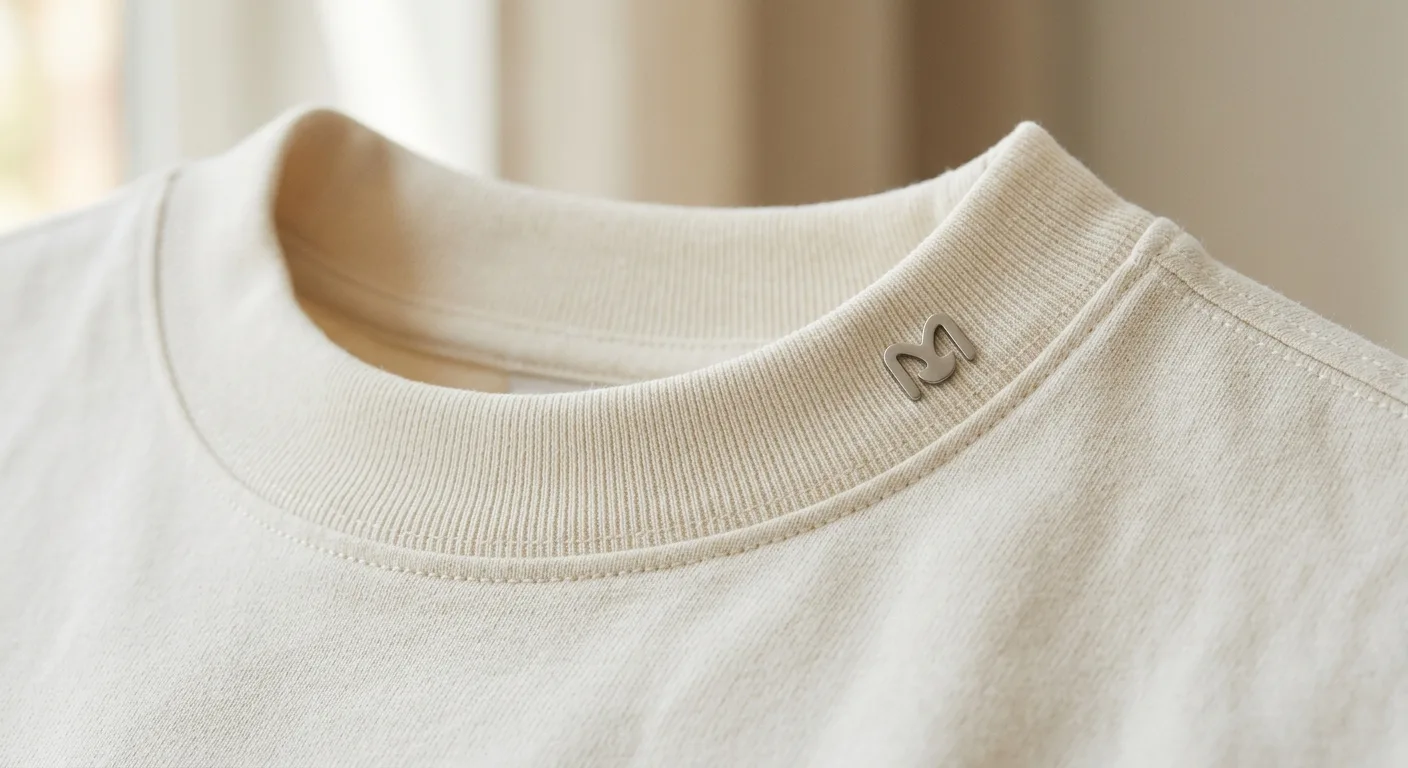
- Quiet Luxury Details: Look for subtle branding such as micro-embroidery, metal hardware accents, or tonal logos that are only visible upon close inspection.
- Heavyweight Textures: A true Korean minimalist tee often uses 250gsm to 300gsm cotton, providing a structured drape that hides the body’s contours for a cleaner look.
- Sustainable Core: With the rise of eco-conscious manufacturing, many top-tier Korean basics now feature GOTS-certified organic cotton or recycled blends that offer “cool-touch” technology for summer comfort.
Mastering the Seoul Silhouette: Proportion and Fit
The secret to successful korean minimalist tee styling lies in the “Seoul Silhouette.” This is a strict hierarchy of proportions that prevents an oversized look from appearing sloppy. In 2026, there are two dominant silhouettes: the “Architectural Oversize” and the “Compact Contrast.” Understanding which one suits your body type and the occasion is the first step in mastering the look.
The Architectural Oversize involves a heavyweight, dropped-shoulder tee paired with slim or tapered trousers. This creates a top-heavy visual that feels modern and intentional. The key is the length of the shirt; it should hit just at the hip or slightly below, never reaching the mid-thigh. If the shirt is too long, it breaks the vertical line of the legs, making the wearer appear shorter. For a more balanced approach, many stylists in Seoul are now opting for the Compact Contrast: a fitted, slightly cropped tee paired with wide-leg, floor-sweeping trousers. This creates a high-waisted, elongated leg line that is incredibly flattering.
When choosing an oversized fit, pay attention to the neckline and the sleeves. A high, tight crew neck is a hallmark of Korean design, providing a structured frame for the face. Sleeves should be wide enough to stand away from the arm but not so long that they hide the elbows, which can make the garment look like it was simply bought in the wrong size. For those experimenting with the Acubi aesthetic, layering a sheer mesh top under a structured tee can add depth without adding bulk, a popular technique for the Spring/Summer 2026 season.
Elevating Graphics: From Streetwear to Sophistication
While minimalism often implies a lack of graphics, korean minimalist tee styling in 2026 incorporates artistic elements that feel like wearable gallery pieces. The trend has moved toward abstract calligraphy, cultural heritage motifs, and deconstructed logos. These graphics are typically centered on the chest or placed unexpectedly on the back, keeping the overall vibe clean and focused. The goal is to use the graphic as a focal point that complements the outfit’s color story rather than overwhelming it.
Take, for instance, the integration of traditional elements like the Taegeuk or Hangul calligraphy. These aren’t just symbols; they are treated as geometric art. When styling a graphic tee, keep the rest of the outfit monochromatic. If your tee features a blue and red Taegeuk motif, pair it with neutral charcoal trousers and silver jewelry to let the colors pop. This creates a sophisticated nod to heritage without looking like a souvenir outfit.
Another popular sub-trend for 2026 is the “Road Warrior” or racing-inspired graphic. This style blends the energy of Seoul’s urban track culture with minimalist tailoring. To keep this look sophisticated, tuck a graphic racing tee into high-waisted, pleated dress pants. The contrast between the energetic graphic and the formal trousers embodies the genderless tailoring movement that is currently dominating Korean runways. This juxtaposition is what separates a standard casual outfit from a curated fashion statement.
Transitioning Your Tee: From Casual to Smart-Casual
One of the greatest strengths of korean minimalist tee styling is its versatility. A high-quality basic tee can easily transition from a weekend coffee run to a smart-casual office environment if styled with the right layers. The key is to treat the t-shirt as you would a formal blouse or a button-down shirt. This means ensuring the fabric is pristine, wrinkle-free, and tucked in properly to create a defined waistline.
For a professional setting, layer a structured, oversized blazer over a heavyweight white or cream tee. Choose a blazer with sharp shoulders to contrast the softness of the cotton. Pair this with straight-leg wool trousers and loafers. In Seoul, the “half-tuck” (tucking only the front of the shirt) has been replaced by the “clean tuck,” where the entire hem is neatly tucked into high-waisted bottoms, often secured with a thin leather belt. This small change instantly elevates the tee from leisurewear to a polished ensemble.
Office-Ready Styling Tips
- Monochrome Sets: Wear a tee in the exact same shade as your suit or trousers for a seamless, high-fashion look.
- Texture Mixing: Pair a smooth cotton tee with a textured skirt or corduroy trousers to add visual interest without using patterns.
- Jewelry Choice: Opt for chunky silver jewelry or a minimalist watch. In 2026, silver is the preferred metal for the “Industrial Rawness” aesthetic, providing a cool-toned finish that matches neutral palettes.
Accessorizing the Minimalist Way
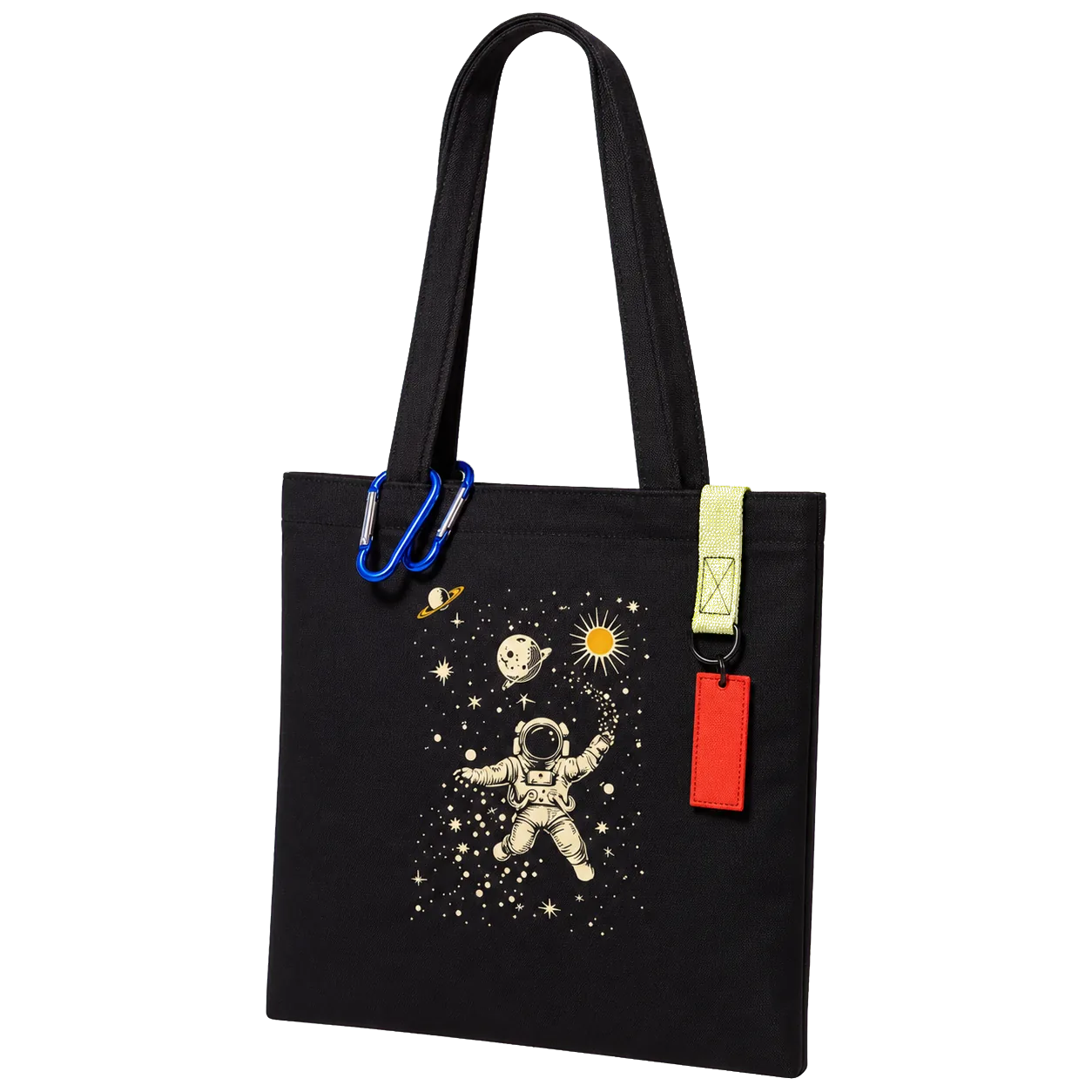
In the world of korean minimalist tee styling, accessories are the punctuation marks of the outfit. They shouldn’t compete for attention but rather reinforce the clean lines of the clothing. The 2026 trend focuses on functional yet sculptural pieces. Think vegan leather bags with soft curves, like those from Stand Oil, or structured tote bags that feature meaningful, abstract designs. A tote bag is no longer just for groceries; it is a canvas for self-expression that completes the minimalist silhouette.
Headwear also plays a vital role. The “C” logo baseball cap remains a staple, but for 2026, the focus is on the fit—deeper crowns and slightly curved brims that frame the face. When wearing a hat, keep your hair sleek or tucked behind the ears to maintain the clean aesthetic. Footwear should follow the same logic: chunky loafers, technical sneakers in muted tones, or minimalist leather slides. Avoid overly bright or neon footwear, as it can disrupt the grounded, earthy palette typical of Seoul streetwear.
Don’t forget the lifestyle accessories that complement your aesthetic even when you aren’t on the move. The minimalist philosophy extends to the home. Even your morning routine can reflect this design-conscious lifestyle. A ceramic mug with modern calligraphy or a whimsical, thoughtful design serves as a reminder that minimalism is a mindset that values both beauty and function in every aspect of life.
Seasonal Adaptations: Spring and Summer 2026
As we move into the warmer months of 2026, korean minimalist tee styling adapts with “lightweight edge.” The challenge is maintaining the structured look of Korean fashion without overheating in humid climates. This is where “cool-touch” tech fabrics and sheer layering come into play. A popular look for Spring 2026 involves wearing a sheer, long-sleeved mesh top under a short-sleeved heavyweight tee. This adds a layer of complexity and texture while remaining breathable.
Color palettes also soften slightly in the spring. While charcoal and bone remain favorites, we are seeing an influx of “faded” pastels—lavender that looks almost grey, or a sage green that leans toward beige. These colors offer a refreshing break from monochrome without losing the minimalist appeal. When styling these tones, try a “tonal gradient” look: a light sage tee paired with olive trousers and dark forest green accessories. This creates depth and sophistication through color theory rather than through prints.
For the height of summer, the focus shifts to the “Deconstructed Tee.” Look for shirts with subtle side slits, asymmetrical hems, or elongated sleeves that can be rolled up to create a different silhouette. These small design details allow for better airflow and provide a unique visual element that sets your basic tee apart from standard off-the-shelf options. Pairing these with lightweight linen-blend wide-leg trousers ensures you stay cool while maintaining the iconic Seoul silhouette.
Shop the collection: Korean graphic tees, Korean long sleeve shirts, Korean sweatshirts, Korean hoodies and Korean tank tops – original graphics designed in Korea, made to order.
Frequently Asked Questions
How do I style an oversized tee without looking sloppy?
The key is to follow the 'Seoul Silhouette' rule of proportions. Pair your oversized tee with structured, slim, or tapered bottoms to create a clear contrast in volume. Additionally, ensure the neckline is high and structured, and consider a 'clean tuck' into high-waisted trousers to define your waistline and maintain a polished appearance.
What is the difference between Acubi style and standard minimalism?
Standard minimalism focuses on clean lines, neutral colors, and high-quality basics for a timeless look. Acubi style, a dominant trend in 2026, takes those minimalist foundations and mixes them with elements of grunge, cyber-fairycore, and Y2K aesthetics. This often involves more experimental layering, sheer fabrics, and 'distressed but expensive' finishes while keeping the color palette neutral.
Can I wear a minimalist tee to a formal office?
Yes, provided you choose a heavyweight, high-quality fabric and style it intentionally. Treat the tee like a formal base layer by tucking it into tailored wool trousers and layering it under a sharp, structured blazer. Stick to a monochromatic color scheme and add minimalist silver jewelry to complete the smart-casual professional look.
What colors are most popular in 2026 Korean fashion?
The 2026 palette is centered around 'Industrial Rawness,' featuring complex neutrals like charcoal, bone, cream, and weathered sage. We are also seeing a shift toward 'faded' pastels like muted lavender and desaturated olive. These colors are designed to be mixed and matched easily, supporting the YONO (You Only Need One) philosophy of a versatile capsule wardrobe.