 OBJECT
Finding the perfect hat cap is no longer just about shielding your eyes from the sun; in the high-stakes world of Korean fashion, it is the definitive exclamation point of an outfit. In 2026, Seoul has solidified its position as the global capital of headwear innovation, blending historical reverence with cutting-edge textile technology. Whether you are navigating the neon-lit streets of Gangnam or the minimalist cafes of Hannam-dong, the right headwear serves as a marker of identity, status, and design-literacy.
As global interest in Korean aesthetic principles reaches an all-time high, the focus has shifted toward ‘Refined Maximalism.’ This trend emphasizes high-quality materials, intentional silhouettes, and subtle designer details that elevate a casual accessory into a luxury staple. In this comprehensive guide, we will explore the structural secrets of Korean designer caps, the seasonal shifts of 2026, and how to integrate these iconic pieces into your personal wardrobe with confidence.
The Evolution of Korean Headwear: From Gat to Modern Hat Cap
To understand why Korea produces some of the world’s most sought-after headwear, one must look at the nation’s historical DNA. Historically referred to as the ‘Nation of Hats,’ Korea has a deep-rooted cultural connection to head-coverings. During the Joseon Dynasty, the Gat—a traditional hat made of horsehair and bamboo—was an essential indicator of a man’s social rank and scholarly pursuit. This legacy of using headwear as a primary tool for self-expression has transitioned seamlessly into the 21st century, where the baseball cap and bucket hat have become the modern equivalents of the Gat [5].
In 2026, this historical influence is visible in the structured, architectural approach Korean designers take toward cap construction. Unlike standard mass-produced hats, Korean designer caps often feature reinforced panels and specific crown depths that mimic the dignified silhouette of traditional headwear. This attention to detail ensures that the hat maintains its shape even after heavy use, a nod to the longevity and craftsmanship of the past. The ‘Quite force’ design by StyleMZ captures this intersection of history and modern mystery, featuring the iconic Gat silhouette in a contemporary graphic format.
Furthermore, the modern Korean cap is a marvel of technical engineering. Many of the world’s leading headwear technologies, such as patented sweat-absorbing bands and antibacterial fabrics, are developed within South Korean manufacturing hubs like Yupoong. These innovations ensure that a designer cap is not only aesthetically pleasing but also functional for the humid summers and brisk winters of the peninsula. When you wear a Korean-designed cap, you are wearing centuries of sartorial evolution refined by modern technical prowess [3].
Anatomy of the Perfect Fit: Crown Depth and Face Shapes
One of the primary reasons Korean designer caps have gained a global following is their unique approach to sizing and proportion. In the Korean market, designers prioritize ‘crown depth’—the vertical distance from the top of the hat to the brim—to create a more flattering silhouette. A deeper crown allows the hat to sit lower on the head, which has the visual effect of making the face appear smaller and the neck longer [2]. This ‘small face’ aesthetic is a highly coveted look in East Asian fashion circles and is now being adopted globally.
Choosing Based on Face Shape
- Round Faces: Opt for high-profile caps with a structured crown. This adds height and counteracts the roundness of the face, creating a more balanced profile.
- Square Faces: Look for curved brims and softer fabrics. A well-curved brim helps soften a strong jawline, while a low-profile dad cap provides a relaxed contrast to sharp features.
- Oval Faces: Most silhouettes work well, but a mid-profile cap with a slightly wide brim offers the most harmonious proportions.
The technicality extends to the materials used. For those seeking a classic, relaxed feel, the ‘low-profile’ cotton twill construction is ideal. It hugs the contours of the head without adding unnecessary bulk. StyleMZ’s ‘Korea’ Dad Cap is a prime example of this fit, utilizing Yupoong’s 6245CM chassis to provide a contemporary, streamlined look that suits a wide range of face shapes while maintaining a clean, geometric aesthetic.
Another critical factor in the 2026 market is adjustability. While ‘fitted’ hats remain popular in athletic circles, the Korean designer scene favors adjustable closures—specifically brass buckles or high-quality tuck-away straps. This allows the wearer to customize the fit based on their hairstyle, whether they are wearing it over loose hair or a low ponytail, ensuring the hat cap remains a versatile tool in their styling arsenal.
2026 Trends: Granola-Core and Eco-Futurism
The spring of 2026 has introduced a significant shift in headwear aesthetics, moving toward what stylists call ‘Granola-Core.’ This trend is characterized by nature-inspired palettes, organic textures, and a relaxed, outdoorsy vibe. Think earth-toned knit beanies, fleece-textured caps, and hats that look at home in both a mountain cabin and a downtown Seoul art gallery. This movement is a response to the hyper-digital age, as consumers seek pieces that feel grounded and tactile [7].
Key Elements of the 2026 Aesthetic
- Earth Tones: Moss greens, terracotta, and sandy beiges dominate the color palette, moving away from the neon highlights of previous seasons.
- Mixed Media: Caps featuring a mix of Cordura, denim, and even lab-grown leather accents are increasingly popular.
- Graphic Intricacy: Instead of simple logos, 2026 designs feature complex, fractal-like patterns and detailed illustrations that require a second look.
Parallel to Granola-Core is the ‘Eco-Futurism’ movement. As sustainability becomes a non-negotiable for Gen Z and Alpha consumers, Korean brands are leading the charge in using ‘Ocean-Plastic Polyester’ and recycled nylon. This isn’t just about ethics; these materials offer superior durability and weather resistance. The T-Skull 5 Panel Trucker Cap reflects this move toward intricate, bold graphics that stand out in the crowded ‘street-style’ landscape, combining prehistoric motifs with modern mesh ventilation.
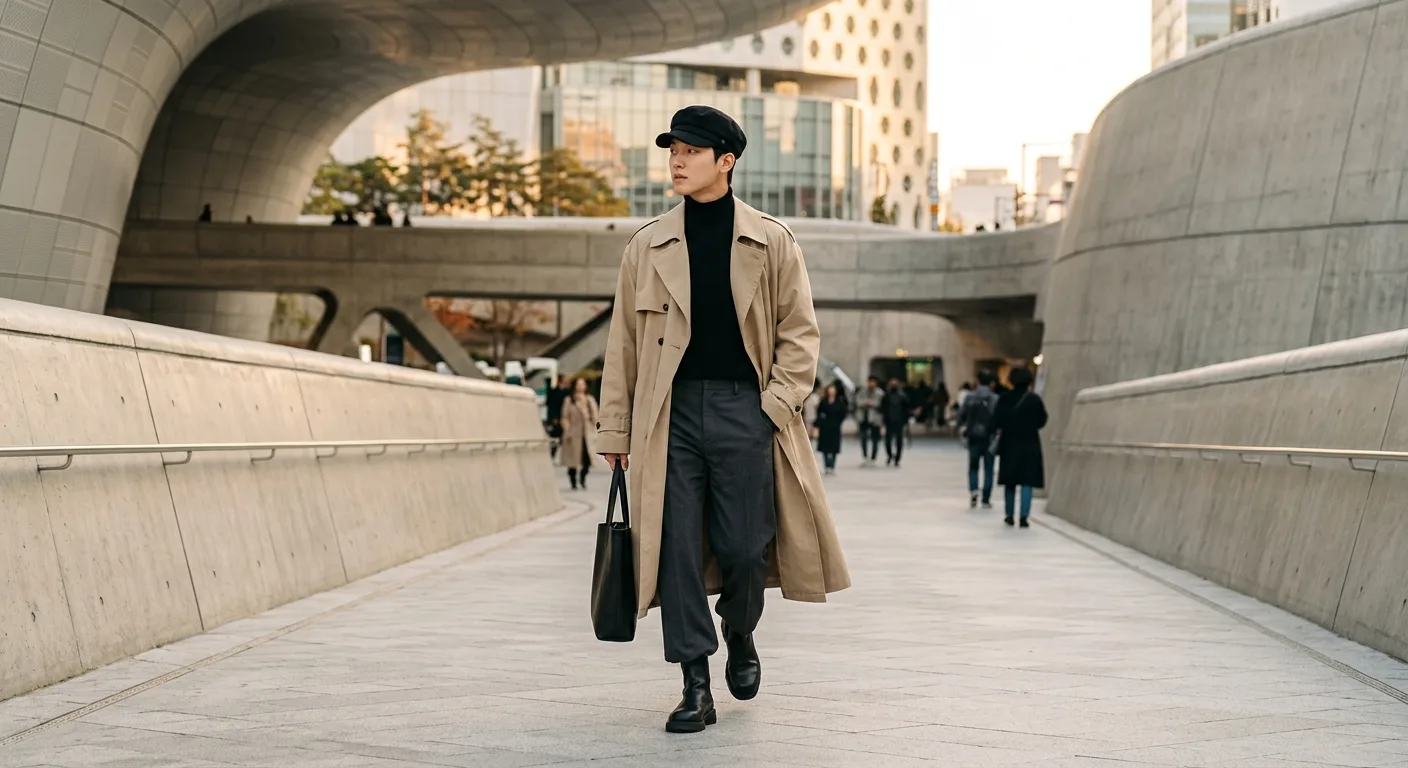
Furthermore, the ‘Fancy Little Hats’ movement has seen a resurgence of structured shapes like the newsboy cap and sailor hat. These are often styled with oversized blazers or trench coats to create a ‘Functional Chic’ look. This trend emphasizes the hat as a structural element of the outfit rather than a casual afterthought, proving that even the most traditional silhouettes can be reimagined through a modern, Korean lens [1].
Styling Your Hat Cap: The 'Off-Duty Star' Aesthetic
Mastering the ‘off-duty’ look is a core tenet of Korean street style. This aesthetic aims to look effortless yet curated—as if you were a celebrity caught by the paparazzi while grabbing coffee. The secret to this look lies in the balance of proportions. When wearing an oversized silhouette, such as a heavyweight hoodie or wide-leg trousers, a structured cap provides the necessary focal point to keep the outfit from looking sloppy [4].
For a cohesive 2026 look, consider the ‘Game Face’ approach. This involves pairing a vibrant, graphic-heavy cap with a premium cotton tee that shares a similar color story. By repeating colors—such as a red brim matching a red graphic on your shirt—you create a visual rhythm that suggests intentionality. This technique is particularly effective when using pieces that feature playful, energetic characters, which add a layer of personality to an otherwise minimalist outfit.
Another popular styling method is the ‘High-Low’ mix. This involves pairing a designer hat cap with more formal pieces, like a wool overcoat or a structured blazer. This juxtaposition is a hallmark of Seoul’s fashion districts. To pull this off, ensure your cap is in pristine condition; a crisp, fresh-out-of-the-box look is essential for the contrast to work. Avoid overly distressed caps when pairing with formal wear, as the goal is ‘Refined Maximalism,’ not ‘Grungy Casual.’
Common Styling Mistakes to Avoid
- Over-accessorizing: If your hat has a bold graphic, keep your jewelry minimal. Let the headwear be the statement piece.
- Improper Positioning: Avoid wearing the cap too high on the head. In the Korean context, pulling the brim down slightly towards the brow line creates a more mysterious and fashionable silhouette.
- Color Clashing: While 2026 allows for bold colors, ensure the undertones match. Don’t mix a warm, ‘earthy’ red with a cool, ‘neon’ blue.
The Rise of Narrative Design in Korean Streetwear
In 2026, fashion is more than just clothing; it is a storytelling medium. Korean designers are increasingly moving away from ‘logomania’ and toward ‘narrative design.’ This involves creating pieces that evoke a specific mood, place, or philosophy. Whether it’s the ‘Solitude’s Embrace’ of a forest retreat or the ‘Outlaws of the West’ spirit of rebellion, headwear and apparel are being used to signal the wearer’s current ‘vibe’ to the world [6].
This narrative approach often incorporates English and Korean text to add layers of meaning. For example, a design might feature a central English slogan supported by smaller Korean script that provides context or a translation. This bilingual aesthetic has become a global trend, as it represents the cultural bridge that modern Korea occupies. It allows international fans of Korean culture to wear pieces that feel authentic and deeply considered.
When selecting a hat cap with a narrative design, think about the story you want to tell. Are you in a contemplative, ‘quiet force’ mood, or are you feeling adventurous and wild? By choosing headwear that aligns with your internal state, you create a more authentic and confident personal style. This is the essence of the ‘New Basic’ aesthetic—pieces that are simple enough for everyday wear but carry enough artistic weight to stand on their own as a piece of design.
Maintenance and Care: Keeping Your Designer Cap Pristine
A high-quality designer hat cap is an investment, and proper maintenance is crucial to preserving its shape and color. In the Korean fashion community, keeping a cap ‘fresh’ is as important as the design itself. The first rule of cap maintenance is to avoid the dishwasher. While some online hacks suggest this, the high heat and harsh detergents can ruin the internal buckram (the stiff fabric that gives the front panels their shape) and cause the brim to warp.
The Correct Cleaning Process
- Spot Cleaning: Use a soft toothbrush and a mild detergent mixed with cold water to gently scrub any stains on the brim or crown.
- Hand Washing: If the entire hat needs cleaning, submerge it in a basin of cool water with a small amount of laundry soap. Let it soak for 30 minutes, then rinse thoroughly.
- Drying: Never put your cap in the dryer. Instead, pat it dry with a towel and reshape it. Place it over a rounded object (like a clean bowl or a hat form) to air dry away from direct sunlight, which can fade the fabric.
For caps with intricate embroidery or printed graphics, such as those from StyleMZ, always turn the garment inside out if you must use a machine (though hand-washing is always preferred for headwear). If you are cleaning an associated t-shirt, machine wash cold and tumble dry low to protect the longevity of the print. By following these steps, you ensure that your ‘Game Face’ or ‘Korea’ cap remains a staple of your wardrobe for years to come, retaining its structural integrity and vibrant colors.
Shop the collection: Korean graphic tees, Korean long sleeve shirts, Korean sweatshirts, Korean hoodies and Korean tank tops – original graphics designed in Korea, made to order.
Frequently Asked Questions
What is the best hat cap style for a round face?
For round faces, the best style is a high-profile, structured cap like a 5-panel trucker or a traditional structured baseball hat. These styles add vertical height to your silhouette, which helps elongate the face and balance out softer jawlines. Avoid low-profile, unstructured 'dad caps' as they can emphasize the roundness of the head.
How do I know if a cap has a 'deep' crown?
A deep crown usually measures between 16cm to 17cm from the top button to the edge of the side panel. In product descriptions, look for terms like 'high-profile' or 'structured crown.' Korean designer brands specifically engineer these deeper fits to allow the hat to sit lower on the head, providing the popular 'small face' aesthetic.
Are Korean designer caps adjustable for larger head sizes?
Most Korean designer caps utilize adjustable closures such as brass buckles, plastic snapbacks, or fabric straps with metal sliders. These typically accommodate head circumferences from 54cm to 62cm. Always check the specific chassis model, such as the Yupoong 6006 or 6245CM, as these are industry standards known for their versatile, adjustable fit.
How can I fix a bent brim on my favorite cap?
To fix a bent brim, you can use a handheld garment steamer to gently heat the fabric and the internal stiffening material. Once the material is warm and pliable, use your hands to mold it back into your desired curve (or flatten it). Hold the shape until the material cools completely, which sets the new form in place.
Why is the 5-panel trucker cap popular in 2026?
The 5-panel trucker cap is trending in 2026 due to its 'Refined Maximalism' appeal and superior breathability. The large front panel provides a perfect canvas for intricate, high-detail graphics like the T-Skull design, while the mesh back panels offer comfort in warming climates. It bridges the gap between rugged outdoor gear and high-fashion streetwear.