 OBJECT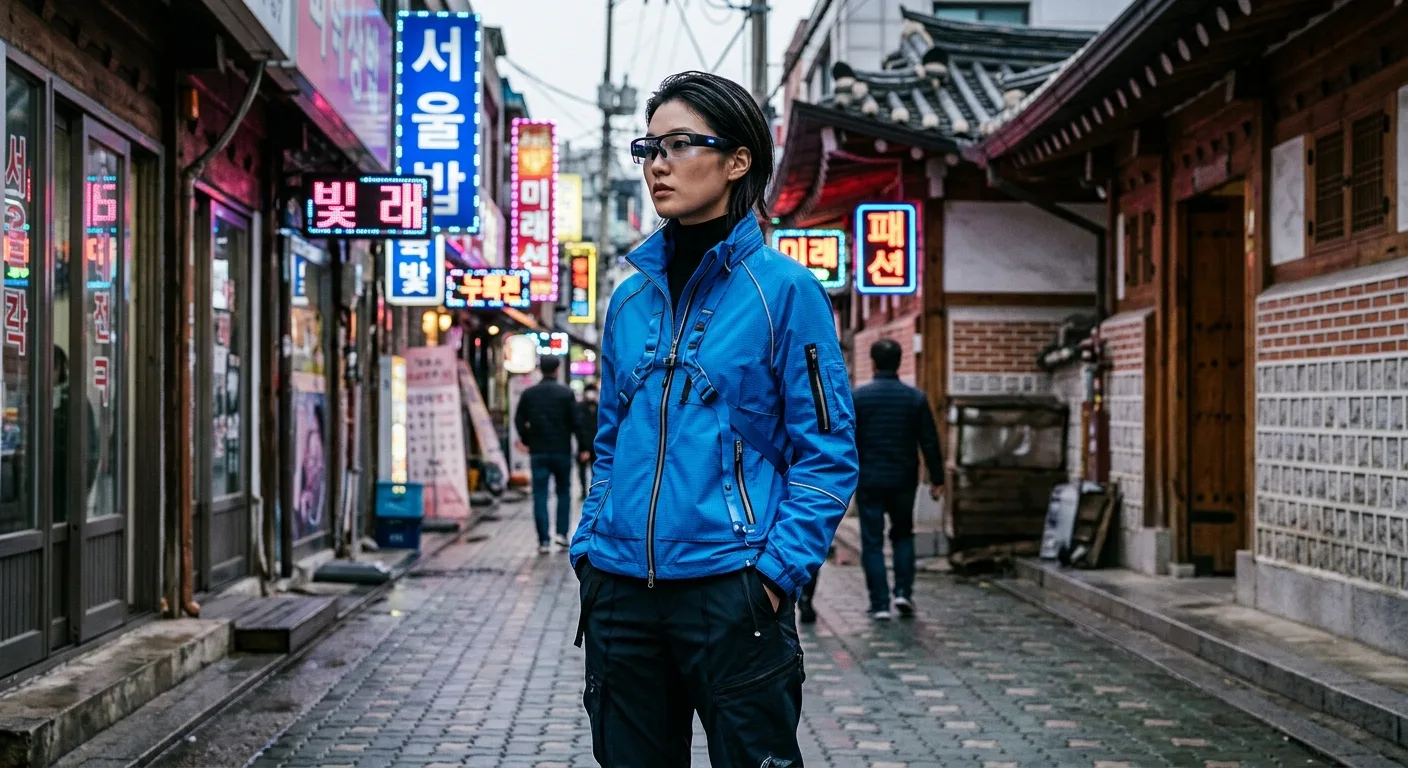
Looking ahead to 2027, the landscape of South Korean fashion is undergoing a radical transformation from a trend-driven market to a systemic global powerhouse. As of April 2026, the industry is no longer merely riding the wave of K-pop adjacent hype; it has matured into a sophisticated ecosystem where technology, sustainability, and human emotion converge.
By the time we reach 2027, the South Korean fashion market is projected to reach a staggering $33 billion valuation. This growth is fueled by a shift toward “strategic joy” and a deep commitment to digital-physical hybridization. For the global fashion enthusiast, understanding these shifts is essential to staying ahead of the curve in a world where Seoul has become the undisputed capital of modern design.
The Rise of Luminous Blue: Defining the 2027 Palette
Color psychology plays a pivotal role in the upcoming seasons, with “Luminous Blue” officially named as the 2027 Color of the Year. This shade is more than just an aesthetic choice; it represents a collective desire for sensory links to tradition, culture, and the calming influence of the natural world. In the context of Korean design, Luminous Blue is being utilized to bridge the gap between high-tech digital interfaces and the deep serenity of heritage craftsmanship.
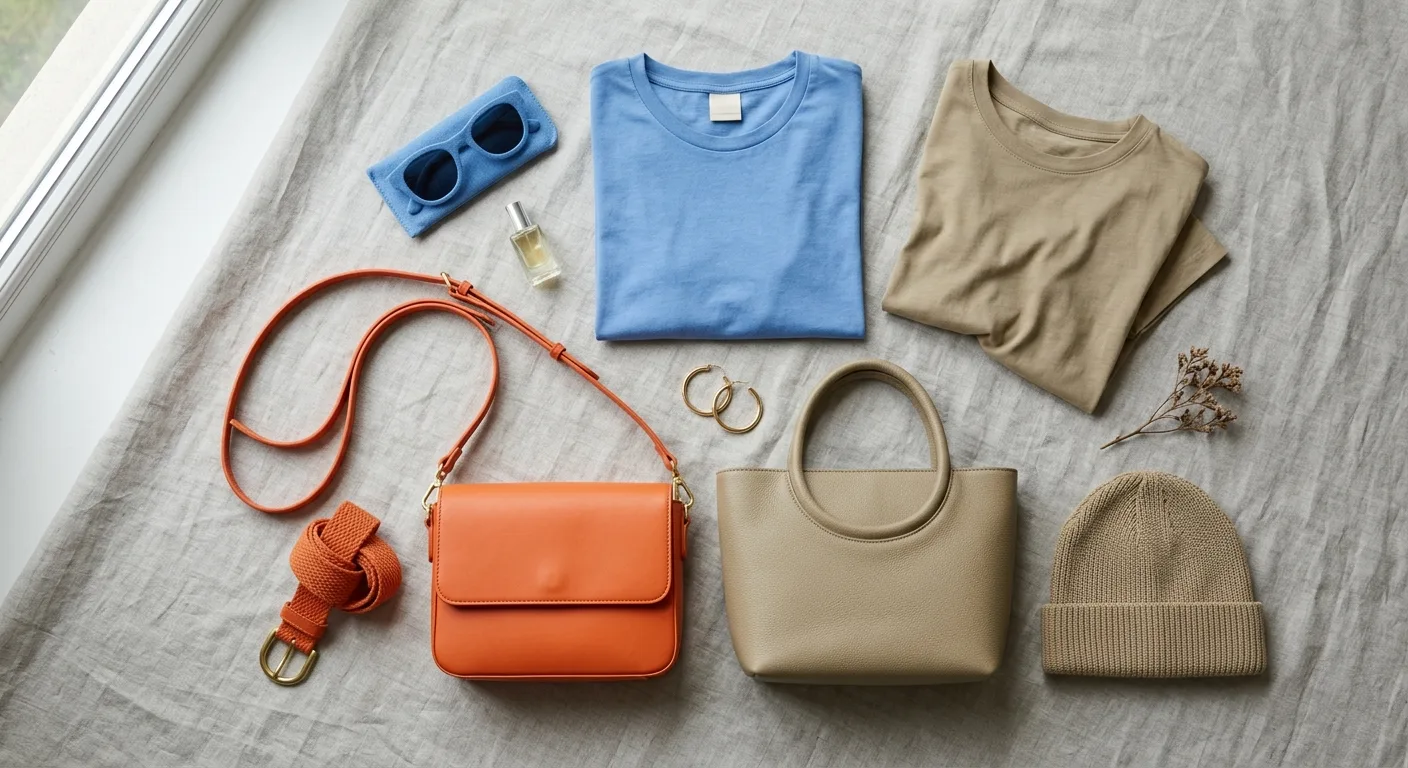
Alongside this cooling blue, we are seeing the emergence of the “Strategic Joy” movement. This trend utilizes vibrant, high-energy pigments like Pop Pink and Energy Orange to combat global stressors. Designers are moving away from the stark, cold minimalism of the early 2020s in favor of a more expressive, playful approach. This is often referred to as “kidulting,” where adult apparel adopts the whimsical, uninhibited spirit of childhood play, but with a refined, luxury execution.
Key Color Profiles for the Season
- Luminous Blue: A core neutral-alternative that signifies stability and digital connectivity.
- Energy Orange: Used in technical outerwear and accessories to provide a sense of alertness and vitality.
- Deep Charcoal: Replacing standard black for a more textured, organic feel in sketch-style prints.
- Soft Khaki and Cream: Serving as the foundation for the “Nature as a Feeling” aesthetic.
These colors are not just for display; they are being integrated into garments that tell a story. For those who appreciate the intersection of modern street life and historical color palettes, pieces that capture the essence of the city are becoming essential wardrobe staples.
The Gyeongbokgung Street tee exemplifies this shift, using charcoal and light blue to create a sophisticated sketch that honors the past while remaining firmly rooted in the contemporary urban pulse of 2027.
Tech-Integration and the Era of Hybrid Fun
By 2027, the distinction between a fashion accessory and a technological device will be almost non-existent. A landmark development in this space is the collaboration between global tech giants and Korean eyewear innovators to produce high-end XR smart glasses. These devices are designed to be indistinguishable from luxury fashion frames, offering augmented reality overlays that assist with navigation, translation, and social connectivity without sacrificing style.
This “Hybridization” trend extends into the fabrics themselves. We are seeing a massive surge in the demand for breathable, UV-resistant textiles that maintain the drape and feel of luxury wool or silk. In Korea, where the climate can fluctuate significantly, these technical performance fabrics are being integrated into everyday streetwear. It is no longer enough for a garment to look good; it must perform a function, whether that is moisture management or integrated digital tracking for fitness and health.
The Elements of 2027 Hybrid Fashion
- Smart Optics: Eyewear that integrates AI assistants and heads-up displays.
- Adaptive Fabrics: Textiles that change their thermal properties based on the wearer’s body temperature.
- Modular Construction: Apparel with detachable components, allowing for seamless transitions between professional and casual environments.
The concept of “Hybrid Fun” specifically refers to garments that use technical details to enhance the user experience. This might include hidden pockets for digital devices or reflective elements that only appear under specific lighting conditions. It is a playful yet highly pragmatic approach to dressing for a future that is increasingly digital.
Sustainable K-Design and the Ethics of 2027
Sustainability is no longer a niche preference in the Korean market; by 2027, it has become a primary driver of consumer behavior. Approximately 60% of consumers now cite ethical production and material transparency as critical factors in their purchasing decisions. This has led to the rise of “Sober Luxury,” a movement that prioritizes long-lasting quality and ethical sourcing over fast-fashion cycles.
Korean designers are leading the way in alternative materials, particularly in the realm of vegan leather. Brands like Stand Oil have popularized high-quality synthetic alternatives that offer the same durability and aesthetic appeal as animal hides but with a significantly lower environmental footprint. Furthermore, the print-on-demand model has gained massive traction. By producing only what is ordered, studios can virtually eliminate excess inventory and textile waste, a major pain point for the traditional fashion industry.
This conscious approach to consumption is often paired with themes of exploration and nature. Designers are looking for ways to express a commitment to the planet through their artwork and material choices. The use of 100% Airlume combed and ringspun cotton remains a gold standard for those seeking a balance between a premium hand-feel and sustainable fiber production.
The “DEEP CITY DIVER” crewneck is a prime example of this philosophy. Not only does it utilize high-quality, pre-shrunk cotton for longevity, but its design reflects a fascination with the unknown depths of our world, encouraging a sense of stewardship for the environment.
The Evolution of Streetwear: From Minimalism to Exuberance
The Autumn/Winter 2026-2027 seasons marked a definitive departure from the “quiet luxury” that dominated previous years. In its place, we find “Exuberance.” This trend features large-scale floral patterns, intricate paisley designs, and bold, narrative-driven graphics. The goal is to create clothing that acts as a conversation starter, reflecting the wearer’s personality and cultural interests.
Streetwear in Seoul has evolved to include more traditional elements, a trend known as Modern Hanbok. This involves taking the silhouettes and textile patterns of traditional Korean attire—such as the curved lines of the jeogori or the volume of the chima—and translating them into oversized hoodies, bomber jackets, and wide-leg trousers. This reinterpretation ensures that heritage remains relevant for the younger, global generation.
Defining Characteristics of the Exuberant Trend
- Maximalist Graphics: Large-scale prints that cover the back or front panels of garments.
- Narrative Storytelling: Apparel that references specific historical eras, culinary traditions, or fictional futures.
- Textural Contrast: Mixing smooth technical fabrics with rough, organic textures like hemp or bamboo.
This shift toward storytelling is evident in how food culture is being integrated into fashion. Korean cuisine, a global phenomenon, is now a frequent subject of high-end graphic design, celebrating the bold flavors and vibrant colors of the peninsula.
The “Kimchi” Premium Tee captures this exuberant spirit perfectly. By blending retro aesthetics with the fiery energy of Korea’s most famous dish, it serves as a piece of wearable culture that fits right into the 2027 trend of bold self-expression.
Digital Detox and the Witherwill Aesthetic
In response to the hyper-connectivity of the late 2020s, a counter-movement known as “Witherwill” has emerged for 2027. This aesthetic focuses on the concept of “freedom from responsibility” and the necessity of a digital detox. The clothing associated with this movement is simplified, exceptionally comfortable, and designed for offline experiences. It prioritizes tactile sensations over visual flashiness, using soft washes and gentle color palettes.
Witherwill apparel often features “Nature as a Feeling” themes, utilizing woodgrain embossing, tactile organic fibers, and illustrations that evoke a sense of calm. This is the clothing you wear when you want to disappear into a book, a garden, or a quiet cafe. It is a rejection of the “always-on” hustle culture, favoring a slower, more intentional pace of life.
How to Style the Digital Detox Look
- Layering Soft Textures: Combine lightweight cotton tees with oversized linen shirts or knit cardigans.
- Muted Palettes: Stick to earthy tones, soft greys, and the aforementioned Luminous Blue.
- Artistic Imagery: Choose designs that feature serene, hand-drawn elements rather than sharp, digital graphics.
This trend is about finding beauty in the quiet moments. It honors the individual’s need for peace and reflection amidst the noise of the modern world.
The “Serene Bloom” t-shirt, with its watercolor daisies and poetic script, is the quintessential Witherwill piece. It offers a moment of quiet grace, reminding the wearer of their own beauty in a way that feels personal and grounded.
Nostalgia as a Future Concept: Neo-Seoul 1998
Nostalgia in 2027 isn’t just about looking back; it’s about reimagining the past through a futuristic lens. This is best exemplified by the “Neo-Seoul 1998” trend. Designers are looking back at the late 90s—a time of rapid technological expansion and cultural optimism in Korea—and blending those memories with cybernetic and futuristic aesthetics. This creates a “retro-future” vibe that feels both familiar and entirely new.
The visual language of this trend includes neon signs, vintage automotive silhouettes, and a palette that mixes gritty urban greys with vibrant, glowing accents. It captures the energy of a city that never sleeps, filled with hidden alleyways and glowing fragments of memory. This trend appeals to those who feel a connection to the analog world but live a fully digital life.
Key Elements of Retro-Futuristic K-Style
- Vintage Typography: Using fonts that evoke 90s tech and media.
- Urban Landscapes: Graphic depictions of cityscapes that blend old architecture with futuristic lighting.
- Nostalgic Color Blocks: Using teals, golds, and reds to create a sense of depth and history.
This movement allows for a playful exploration of time, where the boundaries between what was and what could be are blurred. It is a celebration of the urban pulse that has always defined the Korean fashion scene.
The “NEO SEOUL 1998” tee brings this vision to life, offering a glimpse into a vibrant, nostalgic street scene that perfectly captures the energetic mood of a city alive with possibility.
Whimsical Journeys and the New Adventurer
Finally, as we move through 2027, there is a growing trend for whimsical, narrative-driven apparel that focuses on the “Adventurer” archetype. This isn’t the rugged, survivalist adventure of the past, but a more poetic, imaginative journey. It targets the “dreamers”—those who find wonder in the everyday and seek out the magical in the mundane.
This trend often utilizes vintage-style illustrations, soft starry backgrounds, and playful characters. It is closely linked to the “Strategic Joy” movement, as it encourages a sense of curiosity and youthful discovery. In a world that can often feel heavy, these garments offer a sense of lightness and hope. They are designed for those who believe that the best journeys are the ones we take in our imagination.
When choosing pieces for this look, focus on storytelling. Look for designs that feel like they could be from a lost storybook or a forgotten childhood memory. These pieces work best when paired with simple, classic staples like denim or khaki trousers, allowing the graphic to remain the centerpiece of the outfit.
The “Adventurer” t-shirt, featuring a whimsical pilot and his pigeon companion, perfectly encapsulates this spirit. it invites the wearer to embrace the long way home and find joy in the odd companions we meet along the journey of life.
Shop the collection: Korean graphic tees, Korean long sleeve shirts, Korean sweatshirts, Korean hoodies and Korean tank tops – original graphics designed in Korea, made to order.
Frequently Asked Questions
How can I verify the authenticity of Korean designer brands online?
To ensure authenticity, always purchase directly from the brand's official studio website or authorized retailers listed on their official social media channels. Look for detailed product descriptions, high-resolution original photography, and information regarding their design process in Seoul. Avoid third-party marketplaces that offer significantly discounted prices, as these are often indicators of counterfeit goods.
Which Korean streetwear brands offer international shipping for 2027 collections?
Most major Korean designer labels, including Matin Kim and Anderson Bell, have expanded their logistics to serve the US, EU, and SEA markets by 2027. StyleMZ specifically operates on a print-on-demand model, allowing us to ship original Korean designs globally while maintaining a sustainable footprint. Always check the shipping policy page for specific regional delivery times and potential customs duties.
Are the smart glasses from Korean fashion brands compatible with standard AI assistants?
Yes, the latest smart eyewear collaborations, such as the Google and Gentle Monster partnership, are designed to be fully compatible with major AI ecosystems like Android XR. These devices typically sync via Bluetooth to your smartphone, allowing you to use voice commands for standard AI assistants. They are built to blend seamless tech functionality with high-fashion aesthetics.
What are the best vegan leather alternatives in the K-fashion market?
The Korean market has pioneered the use of high-grade synthetic materials like 'apple leather' and recycled polyurethane (RPET) to create sustainable accessories. Brands like Stand Oil are leaders in this space, offering durable, water-resistant bags that mimic the texture of traditional leather. These materials are favored in 2027 for their ethical profile and their ability to hold vibrant colors better than animal-based hides.
What makes print-on-demand a more sustainable choice for 2027?
Print-on-demand (POD) is inherently more sustainable because it eliminates the need for mass production and the resulting excess inventory that often ends up in landfills. By only printing a garment once a customer has placed an order, we reduce textile waste and energy consumption. This model supports a circular fashion economy by ensuring that every piece produced has a guaranteed home.