 OBJECT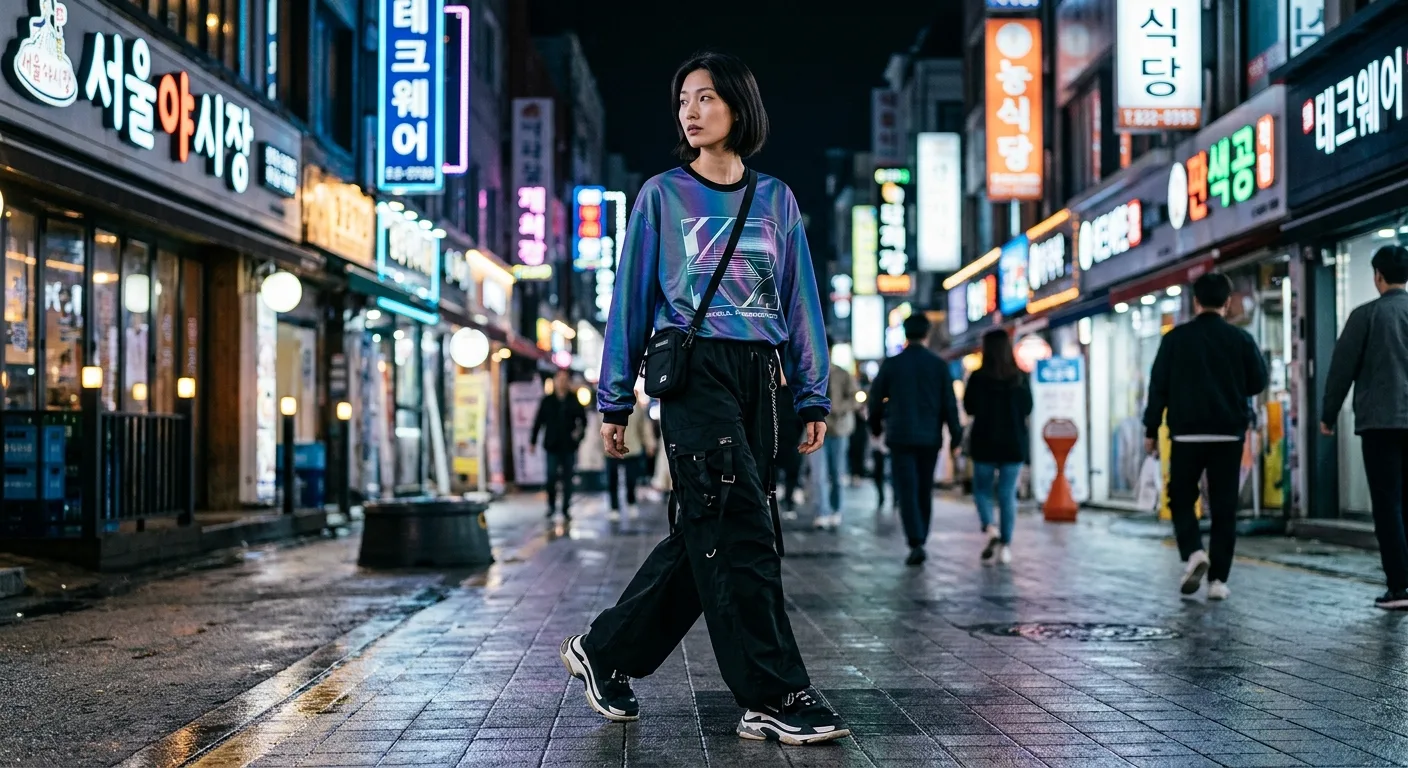
The Korean long sleeve jersey has transcended its origins as a simple athletic garment to become the cornerstone of modern global streetwear. In the high-humidity, high-heat environment of Seoul, these pieces are not merely a fashion statement but a functional necessity for UV protection and defense against local elements [1]. As we move through July 2026, the silhouette has evolved, blending high-tech utility with the subversive, minimalist aesthetics that define the current ‘K-look’.
Understanding how to wear a jersey in the contemporary landscape requires a shift in perspective. It is no longer about the slim, athletic fit of decades past. Instead, the 2026 aesthetic focuses on ‘Material Logic’ and volume—pairing structured, oversized tops with exaggerated lower-half silhouettes to create a balanced, architectural profile that resonates with the ‘Old-Money Hallyu’ and ‘Cyber-Noir’ trends seen across the streets of Gangnam and Hongdae.
The Evolution of Material Logic in Korean Design
In 2026, the primary driver of Korean fashion innovation is ‘Material Logic.’ This concept moves away from the basic synthetic polyesters common in traditional sports apparel toward high-performance blends that prioritize breathability and tactile luxury. Designers are increasingly utilizing lightweight wool, treated linens, and the viral ‘liquid metallic’ fabrics that exhibit iridescent color shifts under varying light conditions [3]. These materials allow for a long-sleeve silhouette to remain comfortable even in 33°C heat with 80% humidity.
When selecting a jersey, the ‘Player’ vs. ‘Fan’ version distinction remains critical, though the context has shifted. ‘Player’ versions are engineered with aggressive moisture-wicking technology and a compression-style fit designed for movement. In contrast, ‘Fan’ versions utilize a straight-cut, heavier-weight fabric that drapes better for casual wear. For those following the ‘Acubi’ minimal layering trend, the fan-cut is preferred for its ability to stack over other garments without creating unsightly tension lines.
Key Fabric Characteristics for 2026
- UV-Resistant Micro-Mesh: Essential for summer wear, providing a physical barrier against sun damage without trapping body heat.
- Technical PDRN-Infused Fibers: While primarily a skincare ingredient, 2026 textile innovations have seen a rise in ‘skin-compatible’ coatings that aim to reduce friction-induced irritation [1].
- Sustainable Tencel Blends: A shift toward eco-conscious production means many Seoul-based ateliers now use wood-pulp derived fibers for a silk-like hand feel.
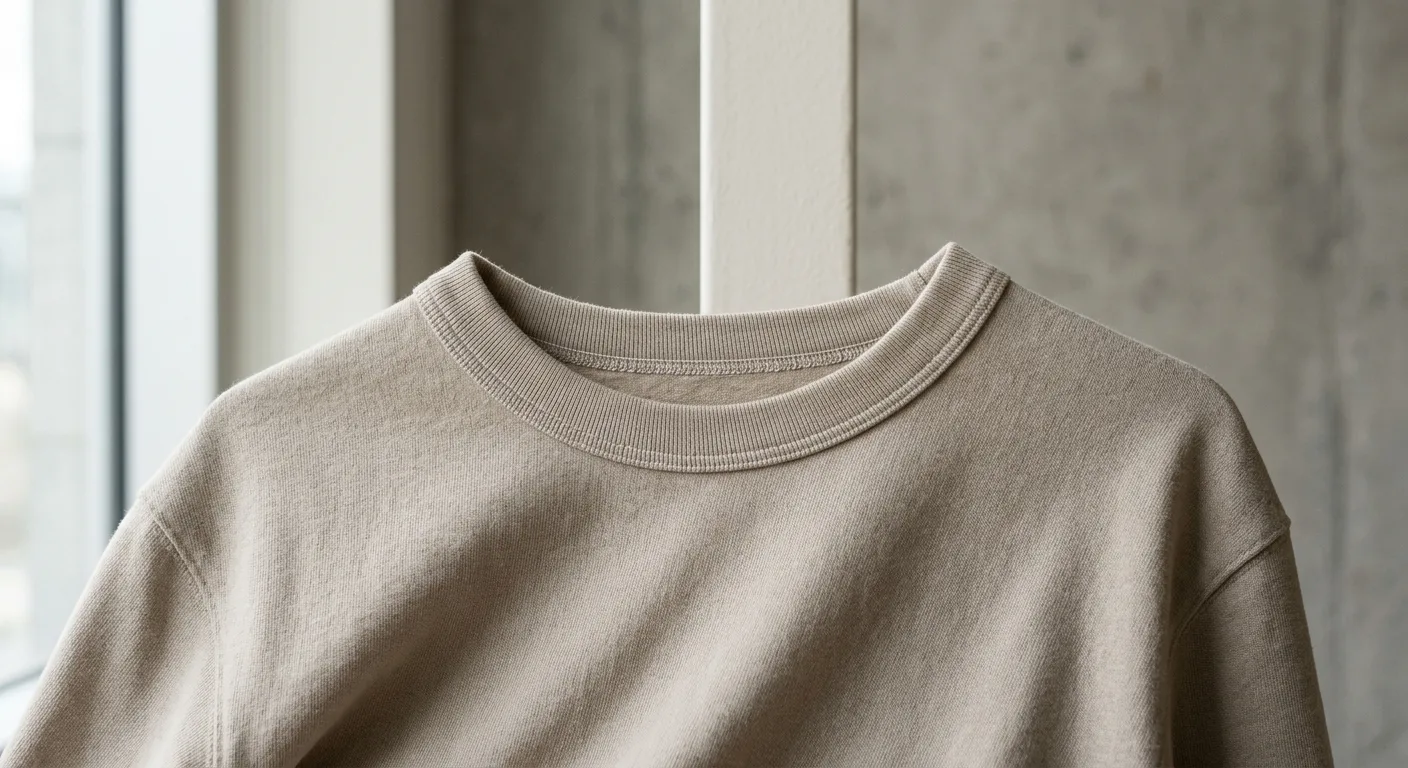
One way to embrace this shift in material quality is through pieces that balance comfort with traditional street elements. For instance, a heavyweight knit can offer a more ‘structured’ look that hides the body’s contours—a hallmark of the current oversized trend.
This heavyweight approach is perfect for those who find technical mesh too revealing or ‘sporty’ for daily social settings. The density of the fabric ensures the garment retains its shape even after multiple washes, preventing the ‘sag’ often associated with cheaper jersey alternatives.
Styling the Korean Long Sleeve Jersey: The Silhouette Shift
As of mid-2026, the ‘skinny’ fit has officially been declared obsolete in the Korean fashion lexicon. The current silhouette is defined by contrast: oversized on top, and exaggerated on the bottom. The standard pairing for a high-quality jersey involves wide-leg cargo pants or pleated denim with a hem width of at least 24cm [3]. This creates a column-like profile that elongates the wearer’s frame while maintaining a relaxed, effortless vibe.
For a sophisticated ‘Old-Money Hallyu’ look, try layering a structured long-sleeve jersey over a crisp white collared shirt. Ensure the collar is stiff enough to stand slightly above the jersey’s crew neck. This juxtaposition of athletic wear and formal tailoring is a signature move for idols ‘off-duty.’ If the jersey features a bold graphic, keep the lower half monochromatic to allow the print to serve as the focal point of the outfit.
Step-by-Step: The Half-Tuck Method
- Identify the Center Point: Locate the center-front of your waistband.
- The Pinch: Take a small section of the jersey (about 10cm wide) and tuck it loosely into the belt line.
- The Blouse: Pull some of the fabric back out so it drapes over the tuck. This hides the ‘effort’ of the tuck and creates a more natural, ‘I just threw this on’ appearance.
- The Check: Ensure the back of the jersey remains untucked, flowing freely to emphasize the oversized nature of the garment.
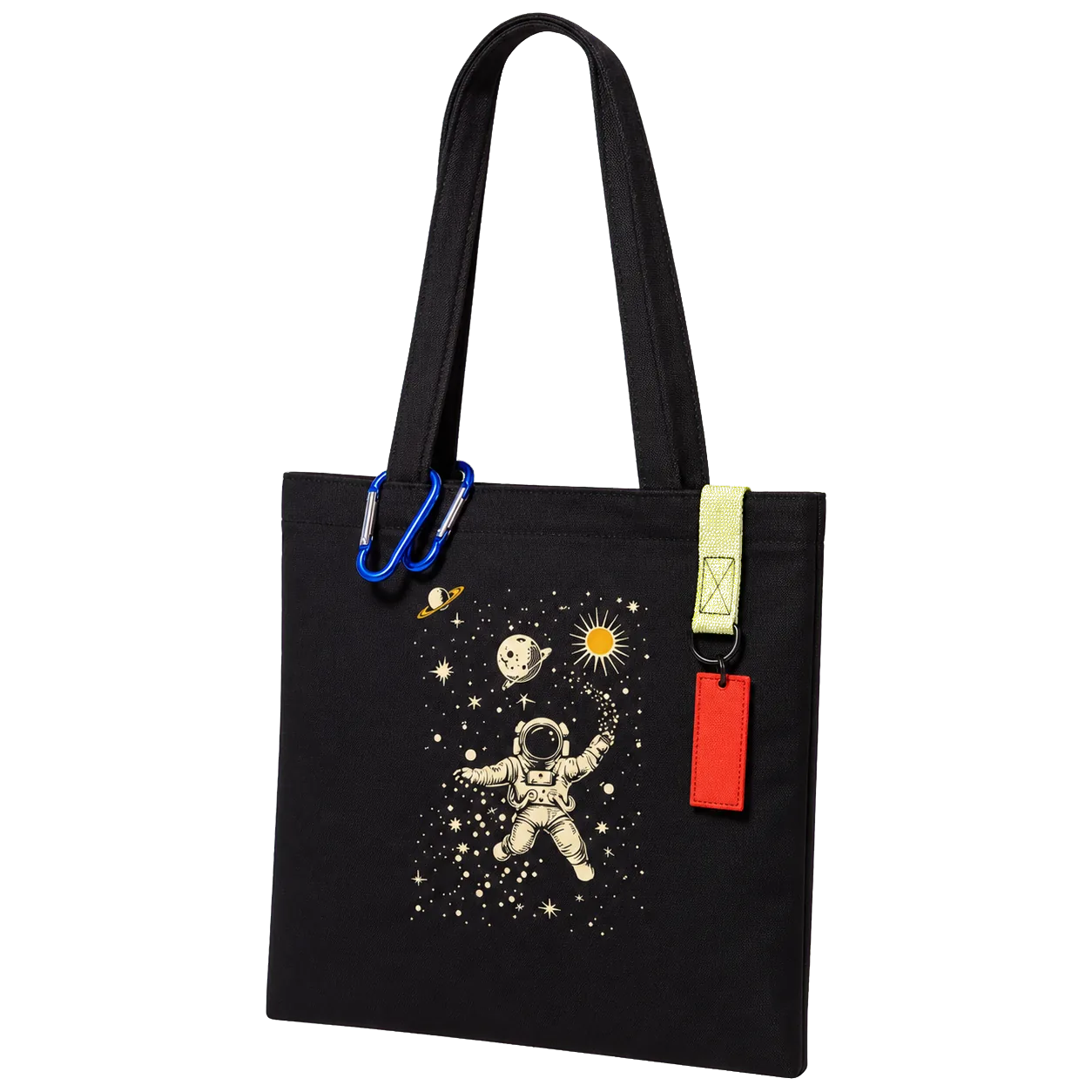
For those looking to add a touch of nostalgic street charm to this modern silhouette, garments with vintage-inspired graphics offer a bridge between the ‘Y2K’ and ‘Y3K’ eras.
By using a graphic that evokes Seoul’s street food culture, you add a layer of narrative to the outfit. This ‘storytelling’ through apparel is a major trend in 2026, where shoppers look for pieces that represent specific cultural moments or memories.
Adopting the Cyber-Noir and Y3K Aesthetics
The 2026 ‘Y3K’ aesthetic is an evolution of early 2000s tech-wear, leaning into ‘Cyber-Noir’ themes. This involves deep blacks, metallic sheens, and iridescent graphics that look different under the neon lights of a city at night. The Korean long sleeve jersey is the perfect canvas for these high-contrast designs. Unlike the pastel-heavy ‘soft-boy’ aesthetics of previous years, Y3K focuses on power, technology, and a futuristic edge.
To pull off this look, look for jerseys with ‘layered’ graphics—designs that combine typography, abstract shapes, and photographic elements. These should be paired with technical accessories like chrome-finished jewelry, heavy-soled combat boots, or ‘Matrix-style’ wraparound sunglasses. The goal is to look like you’ve stepped out of a high-budget Korean sci-fi drama. Avoid natural textures like corduroy or soft knits, as they clash with the sleek, digital vibe of Y3K.
Visual Elements of Y3K Jerseys
- Reflective Piping: Lines that glow when hit by headlights or camera flashes.
- Cybernetic Graphics: Motifs including circuitry, glitch art, or anthropomorphic robots.
- Asymmetrical Hemlines: Jerseys that are longer in the back or have side slits to facilitate movement and layering.
If you are new to this bold style, start with a piece that uses a central, high-impact graphic to anchor the look.
The use of cyberpunk-inspired imagery allows you to participate in the Y3K trend without requiring a full wardrobe overhaul. This specific style of long-sleeve works best when the rest of the outfit remains dark and structured, focusing all visual attention on the premium print.
Seasonal Versatility: From Summer Sun to Winter Layers
One of the most common misconceptions is that long sleeves are strictly for cold weather. In Seoul, the opposite is often true. During the ‘Jangma’ (monsoon season), the high humidity and intense UV rays make a lightweight, long-sleeve jersey an essential protective layer. The concept of ‘Skin-and-Mid’ layering involves wearing a sheer or mesh long-sleeve over a simple tank top or sports bra. This provides the necessary sun protection while allowing maximum airflow through the garment [2].
As we transition into the colder months of late 2025 and early 2026, the trend shifts toward ‘Layer-Maximalism.’ This involves using the jersey as a middle layer rather than an outer shell. A common mistake is to wear a jersey that is too thick under a coat, leading to restricted movement. Instead, choose a ‘laundered’ or ‘combed’ cotton long-sleeve that is soft against the skin but thin enough to sit under a heavy wool overcoat or a puffer jacket without adding bulk to the arms.
Mistakes to Avoid in Layering
- Colliding Shoulders: Ensure the shoulder seams of your jersey are wider than your base layer but narrower than your coat. If the seams stack, you will look boxy rather than styled.
- Graphic Clashing: If your outer coat has a pattern (like houndstooth or plaid), stick to a solid-colored or minimally branded jersey.
- Neckline Crowding: If you’re wearing a hoodie over your jersey, ensure the jersey neck is flat so it doesn’t bunch up around your throat.
For those gray, transition-weather days where you need a boost of creative energy, a vibrant fantasy print can act as a statement piece under a simple blazer or open jacket.
This approach allows the jersey to peek through, providing a ‘pop’ of color and detail that breaks up the monotony of a winter or rainy-day outfit. The 100% combed ringspun cotton ensures that while the print is bold, the feeling against the skin remains soft and breathable.
Authenticity and the Jik-gu Production System
The global dominance of Korean fashion is powered by the ‘jik-gu’ or direct production system. This allows small ateliers in Seoul to react to viral trends—like those sparked by the 2026 World Cup kits—and produce high-quality garments in a matter of weeks [1]. For consumers, this means more variety but also a greater need to verify quality. Authentic ‘K-Design’ is not just about the label; it is about the attention to detail in the ‘flocking’ (the raised texture of the graphics) and the stitching of the hem.
When purchasing a designer-inspired jersey, check for double-needle hems and taped necks. These are markers of a garment intended to last longer than a single season. The 2026 World Cup away kits, for instance, became viral due to their intricate ‘Global Blue’ floral patterns, which required high-precision printing that cheaper knock-offs couldn’t replicate [2]. In the world of POD (Print on Demand), look for brands that originate their designs in Korea but handle fulfillment locally—this ensures you get the innovative ‘Seoul’ design without the long-haul carbon footprint or shipping delays.
How to Identify Premium Construction
- Tear-away Labels: A sign of comfort-focused design, allowing you to remove itchy tags without damaging the seam.
- Preshrunk Fabrics: Essential for cotton jerseys, ensuring that your oversized fit doesn’t turn into a ‘slim’ fit after the first wash.
- Screen-printed vs. Vinyl: High-end ‘jik-gu’ pieces often use advanced DTG (Direct to Garment) or screen printing which integrates with the fabric fibers, rather than a vinyl sticker that cracks over time.
The Impact of K-Pop and Sport Culture
K-pop continues to be the single largest driver of retail trends, influencing over 30% of global luxury sales in 2026. The ‘Idol-off-duty’ look—which prominently features oversized long-sleeve jerseys—has made the silhouette a universal signifier of ‘cool’ [1]. Whether it’s a member of a top girl group wearing a sheer jersey at Incheon Airport or a solo artist performing in a custom tech-wear kit, the influence is inescapable. This has led to the rise of ‘Refined Maximalism,’ where athletic jerseys are paired with unlikely partners like pearl necklaces or silk skirts.
The 2026 World Cup in North America has further cemented the ‘South Korea Home/Away’ jersey as a fashion icon. The viral success of the ‘Global Blue’ and mint away kit proves that the sports-fashion crossover is stronger than ever. Fans are no longer just wearing these to matches; they are wearing them to cafes, galleries, and clubs. The key to making this work is treating the jersey as a piece of art. Don’t just wear it with gym shorts—wear it with intention, utilizing the styling techniques mentioned previously to elevate the athletic piece into a fashion statement.
Iconic 2026 Jersey Pairings
- The Gallery Look: Long-sleeve jersey + tailored trousers + loafers + crossbody bag.
- The Night Out: Iridescent jersey + leather-look pants + silver jewelry.
- The Weekend Casual: Graphic long-sleeve + oversized denim + chunky sneakers.
Shop the collection: Korean graphic tees, Korean long sleeve shirts, Korean sweatshirts, Korean hoodies and Korean tank tops – original graphics designed in Korea, made to order.
Frequently Asked Questions
Should I choose a Player or Fan version for a long sleeve jersey?
For daily fashion and the 'oversized' Korean look, the Fan version is generally superior as it offers a straighter, more relaxed cut. Player versions are designed with high-compression technical fabrics intended for professional athletes, which can feel uncomfortably tight and show body contours more than a standard casual outfit requires. If you prefer a loose, streetwear silhouette, always opt for the Fan version or size up in a standard unisex cut.
How do I wear a long sleeve jersey in hot summer weather?
In Seoul's 30°C+ heat, the secret is choosing lightweight, breathable materials like 100% combed ringspun cotton or technical micro-mesh. These fabrics allow for 'Skin-and-Mid' layering, providing essential UV protection while maintaining airflow to the body. Look for jerseys with moisture-wicking properties and avoid heavy synthetic blends that trap heat against the skin.
What pants go best with an oversized Korean jersey?
The 2026 trend dictates that 'skinny' fits are out; instead, pair your jersey with wide-leg cargo pants, pleated denim, or oversized 'parachute' trousers. The hem width should ideally be 24cm or wider to balance the volume of the oversized top. This creates the architectural, column-like silhouette that is currently synonymous with high-end Korean streetwear.
How can I tell if a jersey design is 'authentic' K-style?
Authentic Korean design often features subversive basics, 'Cyber-Noir' motifs, or nostalgic cultural graphics (like street food icons). Look for quality construction markers such as double-needle hems and taped necks. In 2026, many authentic styles are produced through the 'jik-gu' system, which emphasizes quick-turnaround, high-quality prints that are integrated into the fabric rather than feeling like a thick plastic sticker on top.