 OBJECT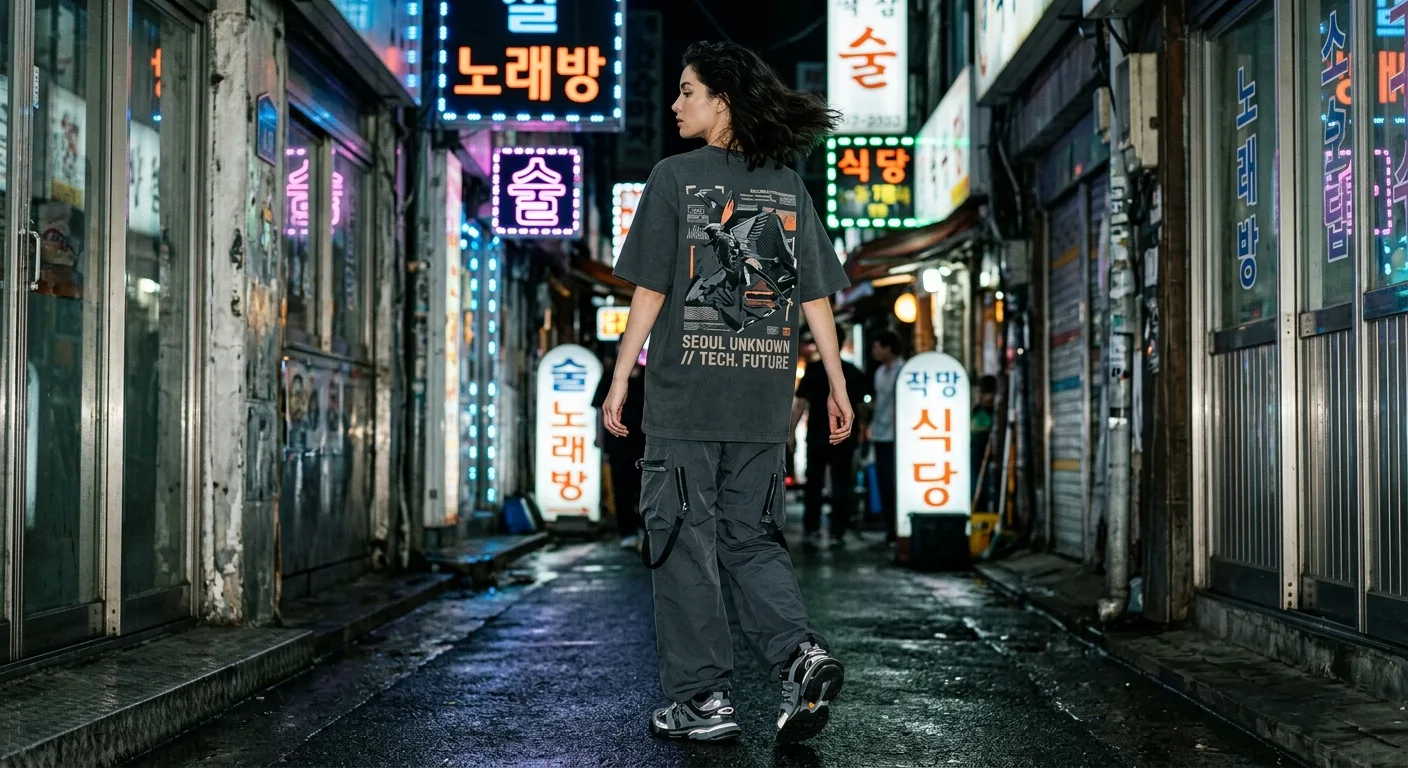
Korean aesthetic graphic tees have evolved from simple souvenir items into sophisticated pillars of global streetwear, driven by a unique blend of minimalist design and bold digital art. In 2026, the South Korean apparel market is projected to reach a staggering $44.2 billion [1], a testament to the surging demand for designs that originate in the creative hubs of Seoul.
Understanding this aesthetic requires looking beyond the fabric; it is about capturing a specific “vibe”—often a mix of high-concept nostalgia, tech-gritty realism, and refined maximalism. Whether you are navigating the humid streets of Hongdae or the temperate climates of London, mastering this look involves balancing oversized proportions with high-resolution, meaningful graphics.
The Evolution of Seoul’s Graphic Identity in 2026
The landscape of Korean aesthetic graphic tees has shifted significantly over the last decade. While earlier eras focused on bright pop colors and K-pop merchandise, 2026 is defined by the ‘Cyber-Noir’ and ‘Eco-Futurism’ movements. Designers are moving away from loud, repetitive logos toward singular, high-impact statements that feel like wearable pieces of art. The influence of K-pop remains strong, estimated to drive over 30% of global luxury retail trends this year [1], but the focus has shifted toward an ‘off-duty’ look—relaxed, effortless, yet meticulously curated.
Currently, the trend is moving toward ‘Refined Maximalism.’ This involves taking a classic silhouette and adding one singular, exaggerated element. For graphic tees, this often manifests as high-definition back prints that leave the front of the shirt clean and minimal. This allows for versatile layering under blazers or tech-wear jackets without the graphic feeling obscured or cluttered. The color palettes have also matured, moving into desaturated tones like charcoal, sage, and deep navy, which serve as the perfect canvas for intricate illustrations.
For those looking to embody this refined narrative through vintage-inspired art, a back-print focused design is essential. A great example of this narrative style is the use of cinematic motifs that blend nature with technology, creating a sense of mystery and depth that is a hallmark of modern Seoul design.
When selecting a tee, look for the following 2026 design markers:
- Distressed Typography: Serif fonts that look partially erased or glitched, suggesting a post-industrial aesthetic.
- Celestial and Scientific Motifs: Graphics that reference quantum physics, astronomy, or biology, reflecting the intellectual curiosity of the current K-fashion scene.
- Textural Contrast: Mixing matte fabrics with graphics that have a ‘liquid metallic’ or chrome-like finish [1].
Navigating Korean Sizing and Fabric Technology
One of the most common hurdles for global shoppers is the nuance of Korean sizing. On average, Korean apparel sizing runs one to two sizes smaller than Western standards [1]. A Korean XL is frequently comparable to a US or European Large. However, the 2026 trend for ‘oversized’ fits complicates this further. Many brands offer ‘Free Size’ garments designed to fit a wide range of body types with a deliberate slouch. If you are aiming for a classic Seoul streetwear look, you should prioritize the shoulder measurement; a dropped shoulder seam is non-negotiable for achieving that relaxed, boxy silhouette.
Fabric choice is equally critical, especially considering the Seoul ‘Klima-Code.’ With summer temperatures regularly hitting 33°C with 80% humidity [1], the demand for breathable, high-quality cotton has never been higher. Most premium Korean aesthetic graphic tees use a ‘heavyweight’ cotton (around 200-240 GSM) because it holds its shape better and creates a cleaner drape. Cheap, thin fabrics tend to cling to the body, which ruins the architectural intent of the oversized fit.
Technical graphics also require high-quality printing methods to prevent cracking over time. Digital-to-Garment (DTG) printing is now the standard for complex, multi-colored motifs, while traditional screen printing is preferred for the heavy, tactile ‘puff’ prints often found in collegiate-style designs. To maintain these pieces, always wash inside out in cold water and air dry to preserve the integrity of the print and the fiber structure.
Styling the 'Acubi-Core' and Urban Cool Aesthetic
Acubi-core is the breakout aesthetic of the mid-2020s, merging elements of 90s grunge, Y2K futurism, and minimalist subculture [3]. To style Korean aesthetic graphic tees within this framework, the focus is on silhouette contrast. If you are wearing an oversized graphic tee, it is often paired with wide-leg cargo pants or ‘parachute’ trousers to create a voluminous, street-ready look. Conversely, the ‘baby tee’—a shrunken, cropped version of the graphic shirt—is paired with baggy low-rise denim to play with proportions.
For a more ‘Urban Cool’ look, which is championed by brands like Matin Kim, the styling is more industrial. Think metal hardware, distressed hems, and graphics that feel somewhat rebellious or tech-gritty. This style often utilizes sound-wave patterns, glitch art, and monochromatic color schemes. It is a look that prioritizes texture over color, making it an excellent choice for city environments where you want to stand out through subtle design details rather than neon flashes.
If you are looking for a piece that captures this rebellious digital energy, consider a design with a sound-wave or glitch-focused print. This type of graphic works exceptionally well when tucked into high-waisted trousers with a heavy leather belt.
Advanced Layering Techniques
Layering is the secret sauce of K-fashion. Even in warmer months, stylists use lightweight vests or sheer long-sleeve tops under graphic tees to add depth. Key layering combos include:
- The ‘Idol Off-Duty’: A graphic tee over a thin, striped long-sleeve shirt, paired with distressed denim and a beanie.
- The Minimalist Professional: A clean, tuck-in graphic tee with a front-print illustration, layered under a structured oversized blazer and paired with pleated trousers.
- The Cyber-Noir: A dark graphic tee paired with a technical nylon windbreaker and reflective accessories.
The Rise of Neo-Traditional Motifs in Modern Fashion
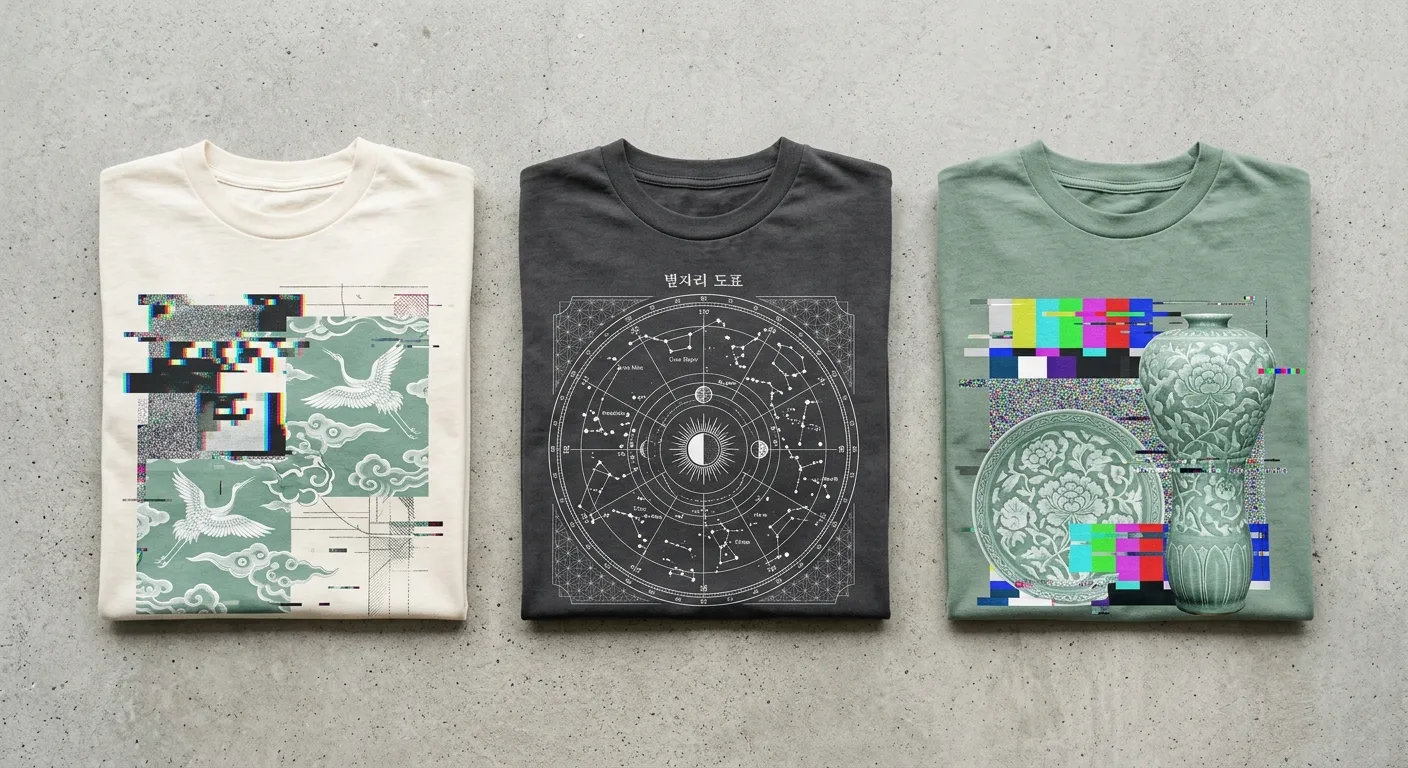
A fascinating development in 2026 is the re-incorporation of traditional Korean motifs into contemporary streetwear. This isn’t your standard tourist apparel; it is a sophisticated re-imagining of ‘K-Heritage.’ Designers are taking elements like Goryeo-era celadon patterns, traditional calligraphy, and folk art (Minhwa), and giving them a modern, graphic overhaul. This trend appeals to the global customer who values design-aware originals that tell a cultural story [1].
The ‘Celadon Study’ aesthetic is a prime example. By taking the elegant medallion motifs found on ancient pottery and placing them on a premium crewneck t-shirt, the design bridges the gap between historical art and modern lifestyle apparel. These pieces are often styled with clean, cream-colored chinos or light-wash denim to maintain a fresh, refined palette that feels expensive but remains accessible.
When styling these heritage-inspired tees, keep the rest of the outfit minimal. The goal is to let the intricate linework of the graphic be the focal point. Avoid busy patterns on your trousers or jackets; instead, opt for solid colors and high-quality fabrics like wool or heavy canvas to complement the ‘Premium’ feel of the garment.
Common neo-traditional elements to look for include:
- Hangul Typography: Used sparingly and artistically, often integrated into a larger geometric shape or landscape illustration.
- Dancheong Colors: The vibrant reds, greens, and blues found in traditional wooden architecture, used as accent colors in modern digital prints.
- Nature Realism: Traditional depictions of cranes, tigers, or pine trees rendered in a modern ‘linework’ or ‘sketch’ style.
Philosophical Graphics: The 'Memento Mori' Trend in Seoul
In a world of fast-paced digital consumption, a sub-trend of Korean aesthetic graphic tees has emerged that focuses on reflection and impermanence. This ‘Philosophical Streetwear’ movement uses somber, thought-provoking imagery like dissolving figures, halo motifs, and astronomical symbols to spark contemplation. It is a departure from the purely visual ‘cool’ and moves into the realm of wearable manifestos.
This trend often utilizes back-panel artwork to create a sense of ‘departure’ or a hidden message that is only revealed as the wearer walks away. The use of phrases like ‘Memento Mori’ or scientific concepts like quantum entanglement are popular because they offer a layer of intellectual depth that resonates with Gen Z and Millennial shoppers who seek ‘meaningful’ fashion. These designs are frequently printed on high-end blanks with a soft-hand feel to ensure the physical experience matches the emotional tone of the artwork.
For those who prefer their wardrobe to have a quiet, reflective edge, these types of graphics are best styled with monochromatic outfits—all black or varying shades of grey—to maintain the moody, sophisticated atmosphere intended by the designer.
When selecting philosophical or scientific graphics, pay attention to the font weight and placement. Minimalist, thin-line fonts often convey a sense of elegance and modernity, while heavy, distorted fonts suggest a more chaotic, existential vibe. Both have their place in a curated wardrobe, depending on the ‘story’ you wish to tell that day.
Common Mistakes to Avoid When Buying K-Aesthetic Tees
Buying Korean aesthetic graphic tees online requires a discerning eye to avoid common pitfalls. The most frequent mistake is ignoring the ‘Size Chart’ in favor of your usual Western size. Always measure a shirt you currently own and compare it to the specific dimensions provided by the retailer. Look specifically for the ‘Chest Width’ and ‘Length’—these are the most reliable indicators of how the shirt will actually sit on your frame.
Another common error is failing to recognize the difference between a ‘Boxy’ fit and an ‘Oversized’ fit. A boxy fit is wide in the chest but slightly shorter in length, which is ideal for pairing with high-waisted pants. An oversized fit is large in all dimensions, including sleeve length and total height, which can swamp smaller frames if not styled with intention. If you are shorter, a boxy fit is usually more flattering than a true oversized cut.
Finally, be wary of low-quality ‘fast fashion’ imitations of Korean designs. Authentic Korean aesthetic often relies on the weight and texture of the fabric. If a shirt looks thin or shiny in photos, it likely won’t provide the structured drape necessary for the look. Stick to reputable platforms that emphasize fabric quality and original design studio work. Look for 100% combed and ring-spun cotton, as this provides the durability and softness required for daily wear in any climate.
Shop the collection: Korean graphic tees, Korean long sleeve shirts, Korean sweatshirts, Korean hoodies and Korean tank tops – original graphics designed in Korea, made to order.
Frequently Asked Questions
How do I know what size to buy for a Korean oversized look?
Korean sizing is generally smaller than US/EU standards, typically by one or two sizes. To achieve the intended oversized look, compare your body measurements to the item's chest width and shoulder drop on the size chart. For a standard fit, size up once; for a true Seoul streetwear oversized look, you may need to size up twice or look for 'Free Size' labels.
What fabric is best for Korean-style graphic t-shirts?
Look for 100% combed and ring-spun cotton with a weight of 180 to 240 GSM (grams per square meter). This heavyweight material provides the structure and durability needed to hold the 'boxy' silhouette popular in Korean fashion. It also handles digital and screen printing much better than thinner, synthetic blends.
How can I style a graphic tee for a formal or 'semi-casual' setting?
In Seoul, it is common to tuck a high-quality graphic tee into tailored, pleated trousers and layer it with a structured oversized blazer. Choose a tee with a minimal front print or a neo-traditional motif to maintain a sophisticated edge. Complete the look with leather loafers or clean, white designer sneakers.
How do I care for my graphic tees to prevent the print from cracking?
Always wash your graphic tees inside out in cold water on a gentle cycle to minimize friction on the printed surface. Avoid the dryer at all costs; instead, hang the shirt to air dry in a shaded area to prevent sun-fading. If you must iron, use a low heat setting and iron the shirt inside out or place a thin cloth over the graphic.