
 OBJECT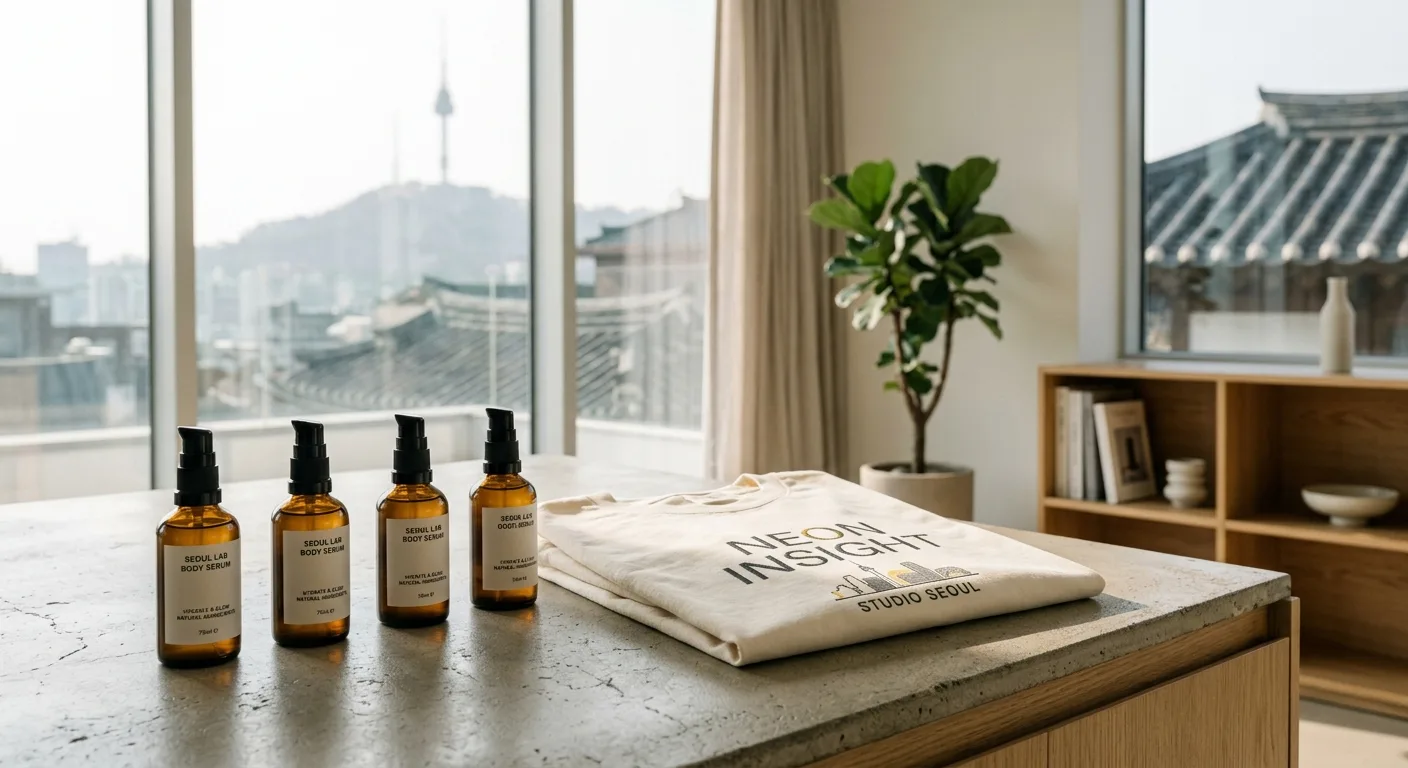
In 2026, the global bodycare market has reached a staggering $69.53 billion, reflecting a massive shift in how we perceive skin health beyond just the face. No longer relegated to a quick application of lotion after a shower, our body skin is now receiving the high-performance attention it deserves. At StyleMZ, we believe that the same meticulous care applied to Korean fashion and design should extend to the very canvas you wear: your skin.
This evolution, often termed the ‘faceification’ of bodycare, means we are seeing ingredients once reserved for expensive facial serums—like PDRN, peptides, and niacinamide—becoming staples in full-body treatments. Whether you are navigating the humid summers of Seoul or the dry winters of the West, understanding the science of skin longevity is essential for maintaining that coveted ‘glass skin’ glow across every inch of your body.
Understanding the Faceification of Bodycare
The ‘faceification’ of bodycare represents a fundamental shift in the beauty industry. For decades, body products were largely focused on simple occlusion—trapping moisture with heavy oils or waxes. However, as of June 2026, consumers are demanding more. We are seeing a surge in specialized body serums, chemical exfoliants, and even ‘hair essences’ that treat the scalp with the same rigor as a facial microbiome treatment. This trend is driven by the realization that body skin, while thicker in some areas, faces many of the same challenges as facial skin: UV damage, environmental pollutants, and the natural decline of collagen.
By treating the body with high-potency actives, we are moving toward a philosophy of ‘skin longevity.’ This isn’t just about anti-aging; it is about cellular health and metabolic beauty. This means focusing on the skin’s ability to repair itself at a microscopic level. For those who appreciate the clean, minimalist lines of Korean design, this approach to wellness is a natural extension of a curated lifestyle. Just as a well-constructed garment requires quality fabric, healthy skin requires a foundation of nutrient-dense care.
The Rise of Body Serums and Actives
- Retinol for the Body: Used to treat sun damage on the chest and arms, and to improve overall skin elasticity.
- Vitamin C Brightening: Targeting hyperpigmentation and ‘strawberry legs’ for a more uniform skin tone.
- Acid Exfoliation: AHAs and BHAs are now common in body washes to gently dissolve dead skin cells without the need for harsh physical scrubs.
When you transition your routine to include these sophisticated steps, the goal is consistency. Much like the ‘Neon Insight’ aesthetic—which values bold, clear expression—your skin should reflect a sense of intentionality and health. The modern global consumer knows that luxury isn’t just what you wear, but the vitality of the skin beneath it.
The Korean Secret to a Resilient Body Barrier
A damaged skin barrier can lead to chronic dryness, sensitivity, and even premature aging of the body skin. In Korean bodycare traditions, the focus has always been on ‘soothing’ and ‘replenishing’ rather than ‘stripping.’ This is where ingredients like ceramides and beta-glucan come into play. Ceramides act as the mortar between your skin cells, preventing trans-epidermal water loss (TEWL), while beta-glucan—derived from yeast or oats—provides 20% more hydration than hyaluronic acid, making it a superstar for 2026.
Repairing a barrier requires a ‘smart minimalism’ approach. Instead of piling on ten different lotions, Korean innovators focus on multitasking actives that support the skin microbiome. Using fermented botanicals and postbiotics helps maintain a healthy pH balance, which is often disrupted by harsh soaps or hard water. For the active individual, perhaps someone who enjoys a ‘Morning Run Club’ lifestyle, keeping the barrier intact is crucial to protect against sweat-induced irritation and environmental stressors.
Signs of a Compromised Skin Barrier
- Persistent Itching: A clear sign that moisture is escaping and irritants are getting in.
- Rough Texture: When the skin feels like sandpaper even after moisturizing, the lipid layer is likely depleted.
- Redness and Reactivity: Skin that stings when applying basic products is in desperate need of ceramide-rich repair.
To fix this, look for ‘mousse-to-oil’ cleansers that provide a sensorial experience while depositing lipids onto the skin. Avoid hot showers, which strip away natural oils, and opt for lukewarm water instead. Following up with a barrier-dense cream within three minutes of exiting the shower ensures that moisture is locked in effectively, mimicking the ‘slugging’ technique but with more sophisticated, breathable formulas.
Targeting Specific Concerns: Strawberry Legs and Hyperpigmentation
One of the most common questions in modern bodycare is how to treat Keratosis Pilaris, commonly known as ‘strawberry legs.’ This condition occurs when keratin plugs the hair follicles, resulting in small, rough bumps. The Korean method for treating this involves a dual approach: gentle chemical exfoliation followed by deep, soothing hydration. Using a body wash infused with Salicylic Acid (BHA) can help clear the follicles, while Urea-based creams soften the keratin buildup.
Hyperpigmentation on the body—whether from old acne scars, sun spots, or friction—requires patience and the right brightening agents. Niacinamide is a favorite in the K-beauty world for its ability to inhibit pigment transfer and strengthen the skin. In 2026, we are also seeing the rise of PDRN (salmon DNA fragments) in body treatments. Originally used in clinical settings for wound healing, PDRN is now being incorporated into premium body serums to accelerate skin regeneration and fade dark spots faster than traditional methods.
A Routine for Smooth, Even Skin
- Exfoliate: Use a Gommage-style body peel twice a week to lift dead skin.
- Treat: Apply a body serum containing Niacinamide or Vitamin C to damp skin.
- Moisturize: Seal everything with a lotion containing Centella Asiatica to reduce redness.
- Protect: Never skip suncare on exposed areas like the legs and arms.
This structured approach ensures that you aren’t just masking the problem but actually changing the texture of the skin. Much like the ‘Pieced Together’ philosophy of our design studio, a great routine is about bringing different high-quality elements together to create a unified, beautiful result. Consistency over intensity is the golden rule of Korean aesthetics.
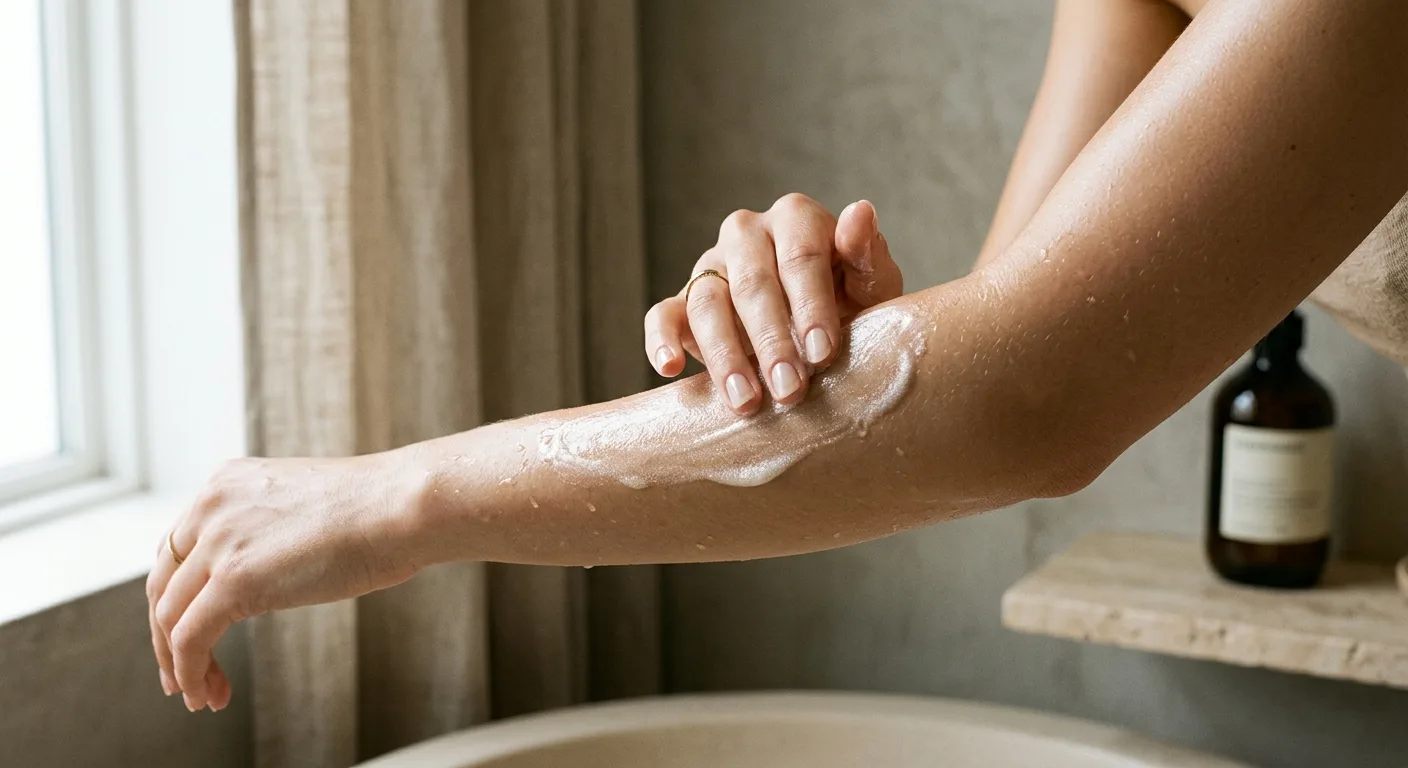
Seasonal Bodycare: Adjusting for Climate and Environment
Your skin’s needs change as the seasons shift, and your bodycare routine should be just as dynamic as your wardrobe. In the summer of 2026, ‘Blue Beauty’ has become a major trend—focusing on ocean-safe, water-fit sun serums that provide high protection without the heavy, greasy feel of traditional sunscreens. These lightweight formulas are perfect for those who spend time outdoors, perhaps exploring the ‘Land of the Tiger’ or urban cityscapes, as they allow the skin to breathe while preventing UV-induced aging.
As we transition into winter, the focus shifts to ‘barrier-dense’ protection. This is the season for ‘slugging’ alternatives—using balms that contain synthetic beeswax or high concentrations of shea butter to create a protective shield against biting winds. In Korea, the use of ‘bath oils’ that emulsify into milk is a popular way to ensure the skin remains hydrated even before you step out of the tub. This preventitive measure is key to avoiding the ‘winter itch’ that plagues many during the colder months.
Seasonal Essentials Checklist
- Spring/Summer: Lightweight gel creams, cooling mists with peppermint or aloe, and reef-safe SPF 50+.
- Autumn/Winter: Rich ceramide butters, overnight body masks, and oil-based cleansers.
- Year-Round: A high-quality hand cream and lip treatment, as these areas show age first.
By tailoring your products to the environment, you ensure that your skin is never overwhelmed or under-protected. This mindful approach to self-care is a hallmark of the sophisticated global shopper who values both function and form in every aspect of their life.
The Role of Bio-actives and Longevity Science
The frontier of bodycare in 2026 is undoubtedly longevity science. We are no longer just looking at the surface; we are looking at cellular health. Bio-actives such as peptides, fermented botanicals, and growth factors are now being formulated for the body to stimulate collagen production and improve skin density. These ingredients work by ‘communicating’ with the skin cells, encouraging them to behave like younger, healthier cells. This is particularly important for areas like the neck, décolletage, and hands, which are often the first to show signs of structural aging.
Fermentation is a cornerstone of Korean skincare that has successfully migrated to body treatments. Fermented ingredients like rice water, galactomyces, and red ginseng are broken down into smaller molecules that the skin can absorb more easily. These ‘pre-digested’ nutrients provide a potent dose of antioxidants, helping to neutralize free radicals from pollution and UV exposure. It is a slow-beauty approach that yields long-term results, emphasizing the ‘Wild Spirit’ of nature harnessed through modern science.
Key Bio-actives to Watch
- PDRN: Promotes DNA repair and intense regeneration.
- Peptides: Small proteins that act as messengers to trigger collagen synthesis.
- Postbiotics: Waste products of beneficial bacteria that help strengthen the skin’s immune system.
Investing in products with these ingredients is an investment in your future self. While a t-shirt like ‘The Tiger Comes Down’ represents a moment in style, your skin is a lifelong companion. Treating it with the latest in bio-active technology ensures that it remains as resilient and vibrant as the culture that inspires us.
Sensorial Rituals: Bodycare as Emotional Wellness
In a fast-paced world, bodycare has evolved into a form of emotional wellness. The textures and scents of our products are designed to reduce stress and provide a moment of ‘Jeju Mode’ tranquility in a busy day. Mousse-to-oil cleansers that transform in your hand, jelly-textured moisturizers that pop with hydration, and balms that melt upon contact with the skin—these are all designed to engage the senses and ground the individual in the present moment.
This ‘sensorial’ shift is about more than just luxury; it is about the mind-skin connection. Stress is known to trigger inflammatory skin conditions, so a relaxing evening routine can actually improve your skin’s health by lowering cortisol levels. Incorporating traditional Korean massage techniques, such as using a gua sha on the limbs to promote lymphatic drainage, can turn a simple moisturizing step into a therapeutic ritual. This holistic view of beauty is what sets the K-beauty philosophy apart on the global stage.
Creating Your At-Home Spa Ritual
- Set the Atmosphere: Dim the lights and use a scent that evokes a sense of place, like citrus or Hinoki wood.
- Mindful Cleansing: Use a textured mitt or a soft brush to stimulate circulation while washing.
- Layered Hydration: Apply a light body mist, followed by a serum, and finally a rich cream to ‘lock’ in the wellness.
- Breathwork: Take three deep breaths as you massage the product into your skin, focusing on the sensation of touch.
By transforming your daily routine into a ritual, you honor yourself. At StyleMZ, we celebrate this intersection of design, culture, and personal care. Whether you are wearing an original design or practicing a detailed skincare routine, the goal is the same: to live with purpose and beauty.
Frequently Asked Questions
How do I repair a damaged body skin barrier?
To repair a damaged barrier, stop using harsh scrubs or high-strength acids immediately. Switch to a pH-balanced, sulfate-free body wash and apply a cream rich in ceramides, cholesterol, and fatty acids while your skin is still damp. Look for ingredients like panthenol and centella asiatica to soothe inflammation and lock in moisture with a thin layer of an occlusive balm if the dryness is severe.
Are facial actives like Retinol and Vitamin C safe for full-body use?
Yes, many facial actives are safe for the body, but they should be used in formulas specifically designed for the larger surface area and different thickness of body skin. Body-specific retinol usually comes in a lower concentration to prevent irritation over large areas, while Vitamin C can help brighten sun-damaged skin on the chest and arms. Always follow up with a high-SPF sunscreen when using these actives, as they can increase sun sensitivity.
What is the best routine for 'Glass Skin' on the body?
Achieving 'Glass Skin' on the body requires a combination of hydration and gentle exfoliation. Start with a chemical exfoliant (like an AHA body wash) to remove dull cells, followed by a hydrating body toner or essence. Layer a lightweight body lotion containing hyaluronic acid or beta-glucan, and finish with a light body oil to provide that characteristic reflective glow and smooth texture.
How can I treat 'strawberry legs' using Korean methods?
Korean methods for treating Keratosis Pilaris (strawberry legs) focus on 'softening' rather than 'scrubbing.' Use a gentle BHA liquid to dissolve the keratin plugs inside the pores and follow with a lotion containing urea or lactic acid to chemically soften the skin surface. Avoid physical loofahs which can cause micro-tears; instead, use a soft washcloth and ensure the skin is never allowed to become bone-dry, as dehydration worsens the appearance of bumps.
What are the benefits of PDRN in bodycare?
PDRN, or polydeoxyribonucleotide, consists of DNA fragments usually derived from salmon that are known for their incredible regenerative properties. In bodycare, PDRN helps to speed up the repair of the skin barrier, improve elasticity, and reduce the appearance of scars or stretch marks. It is a cutting-edge bio-active that supports skin longevity by encouraging cellular turnover and collagen production at a foundational level.