 OBJECT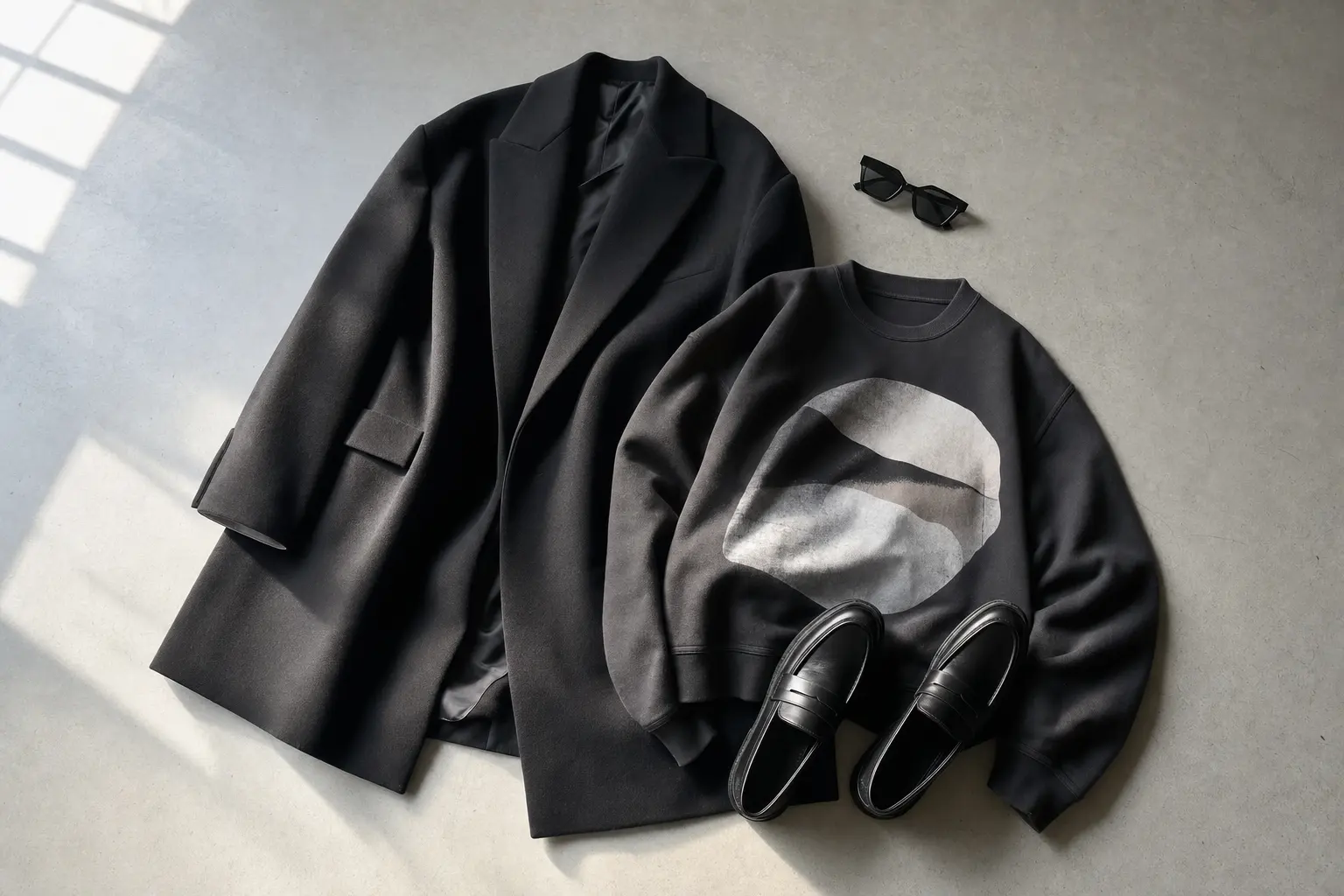
korean fashion brands to know have moved from niche discovery to global influence—this guide highlights the labels shaping streetwear, tailoring, and retail experience in 2026. Whether you’re building a minimalist capsule or curating statement pieces, understanding each house’s craft and context makes smarter purchases.
We map the creative signatures, explain how to shop from outside Korea, and recommend capsule strategies for day-to-night wear. Expect practical sizing notes, drop culture insights, and a curated list of names designers and stylists are watching this season.
korean fashion brands to know: why they matter now
The last five years redefined Korea’s fashion footprint: labels once described as local independents are now shaping global aesthetics. That shift isn’t accidental—platforms, experiential retail, and Seoul’s runway programming accelerated visibility and distribution. For anyone building a contemporary wardrobe, understanding these brands clarifies not just trends but how design philosophies translate into wearability.
Seoul Fashion Week’s S/S 2026 season marked a milestone by using landmark city sites and city-runway activations to celebrate the event’s 25th anniversary, changing the way shows reach local audiences and international press [4]. This experiential approach aligns with a broader strategy of storytelling—brands craft immersive stores, limited projects, and collaborative drops to communicate identity beyond a single garment.
What differentiates the Korean scene
Korean labels mix strong tailoring, deconstruction, and streetwear sensibility with meticulous production details. Many designers balance sculptural silhouettes with practical proportions—clean lines for daily wear, experimental detailing for editorial moments. This combination appeals to shoppers who want garments that feel original yet wearable.
- Design-forward basics: elevated hoodies, structured outerwear, innovative denim.
- Retail as storytelling: immersive concept stores and curated installations.
- Platform-led growth: fast global access via marketplaces and new D2C expansion.
These dynamics shape how we evaluate labels—look for signature techniques, consistent material choices, and how a brand stages its collections. The result: a set of houses that feel simultaneously modern, minimal, and ready for everyday rotation.
Streetwear and collective aesthetics: ADERERROR, thisisneverthat, and peers
Contemporary Korean streetwear blends collective identity with playful deconstruction. ADERERROR and thisisneverthat are among the labels best known for rethinking basics through asymmetry, graphic remixes, and a communal creative voice. These houses approach garments as canvases—subtle reworkings, unexpected logo placement, and seasonal motifs create immediate recognition without relying on loud branding.
ADERERROR has continued to grow its profile through creative projects and cultural collaborations; in April 2026 the brand named actor Byeon Woo-seok as its first official ambassador and launched the “Poetic Project,” emphasizing the brand’s narrative-driven approach to seasonal drops [1][2]. Their Spring/Summer 2026 main collection further reinforces a deconstructed-yet-polished identity that translates well to global wardrobes [2].
Design cues and how to wear them
Key streetwear cues to note: oversized proportions with tailored hems, reworked basics, and graphic layering. To make these pieces versatile, pair a statement oversized sweatshirt with tapered trousers and minimalist sneakers, or use deconstructed denim as a focal point against a neutral outer layer. This keeps the look grounded and wearable across occasions.
- Why collect pieces: statement hoodies and outerwear age well stylistically and photograph strongly for editorial and social use.
- How to size: many street labels prefer relaxed fits; if you prefer a cleaner silhouette, try one size down and check the chest and sleeve measurements.
- Mix with classics: balance graphic or deconstructed pieces with pared-back staples—solid tees, clean denim, and tailored outerwear.
Understanding the storytelling behind each drop helps you buy with intent: are you collecting for seasonal novelty or a long-term capsule? That decision guides whether to trade a throwaway trend for a considered addition.
Eyewear and experiential retail: Gentle Monster’s global design play
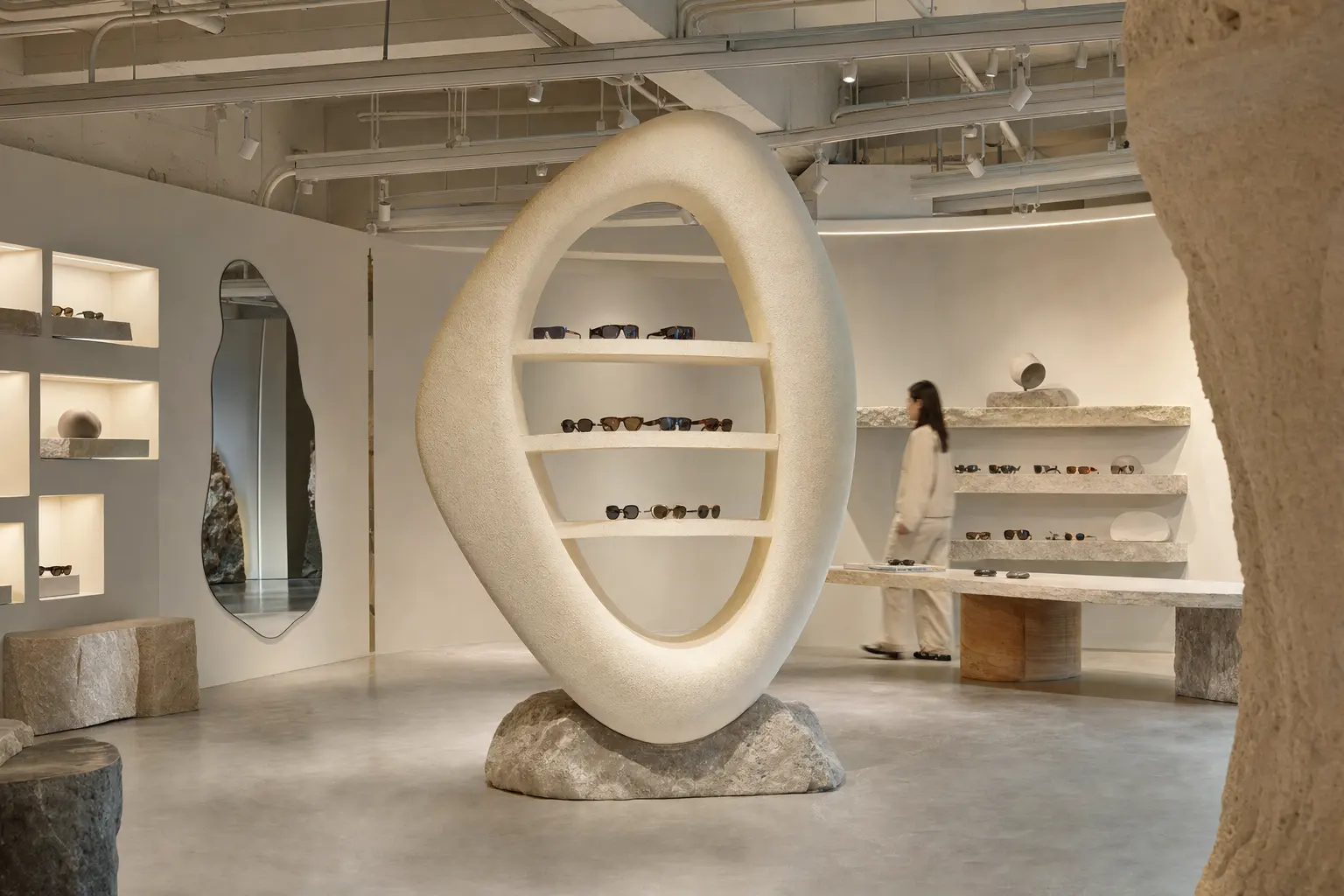
Gentle Monster reimagined eyewear as cultural objects and retail as art. Founded in 2011 by Hankook Kim, the brand built a global reputation through bold frames and immersive, gallery-like flagship stores that blur the line between boutique and installation [3]. Each store becomes a stage for storytelling, elevating product discovery into a curated experience.
From a styling perspective, Gentle Monster frames function like punctuation in an outfit. The brand’s signature silhouettes—oversized shields, sculptural acetate, and architectural metalwork—pair with minimal wardrobes to add a decisive graphic touch. Frames designed to be noticed are easiest to wear when the rest of the look is quietly restrained.
Buying and styling tips
When choosing eyewear, consider face shape, bridge fit, and the balance between frame width and temple length. Many wearers prefer slightly oversized shapes for a modern look; if you’re between sizes, test how frames sit with your cheekbones and whether temples clear your ears comfortably. Because Gentle Monster prioritizes aesthetic experimentation, their designs can run intentionally bold—plan outfits around a single statement accessory rather than layering multiple statement pieces.
- Frame care: clean lenses with a microfiber cloth and store frames in a hard case to maintain shape.
- Try before you buy: immersive stores encourage hands-on fitting—if you can visit, bring a neutral outfit to better judge proportion.
- Pairing: let striking frames anchor a monochrome outfit for a balanced, editorial finish.
Whether you collect eyewear as object-based design or as functional fashion, Gentle Monster’s approach shows how product and space can amplify brand identity and customer experience at once.
Tailoring, Paris lineage, and modern menswear: Wooyoungmi and the tailoring wave
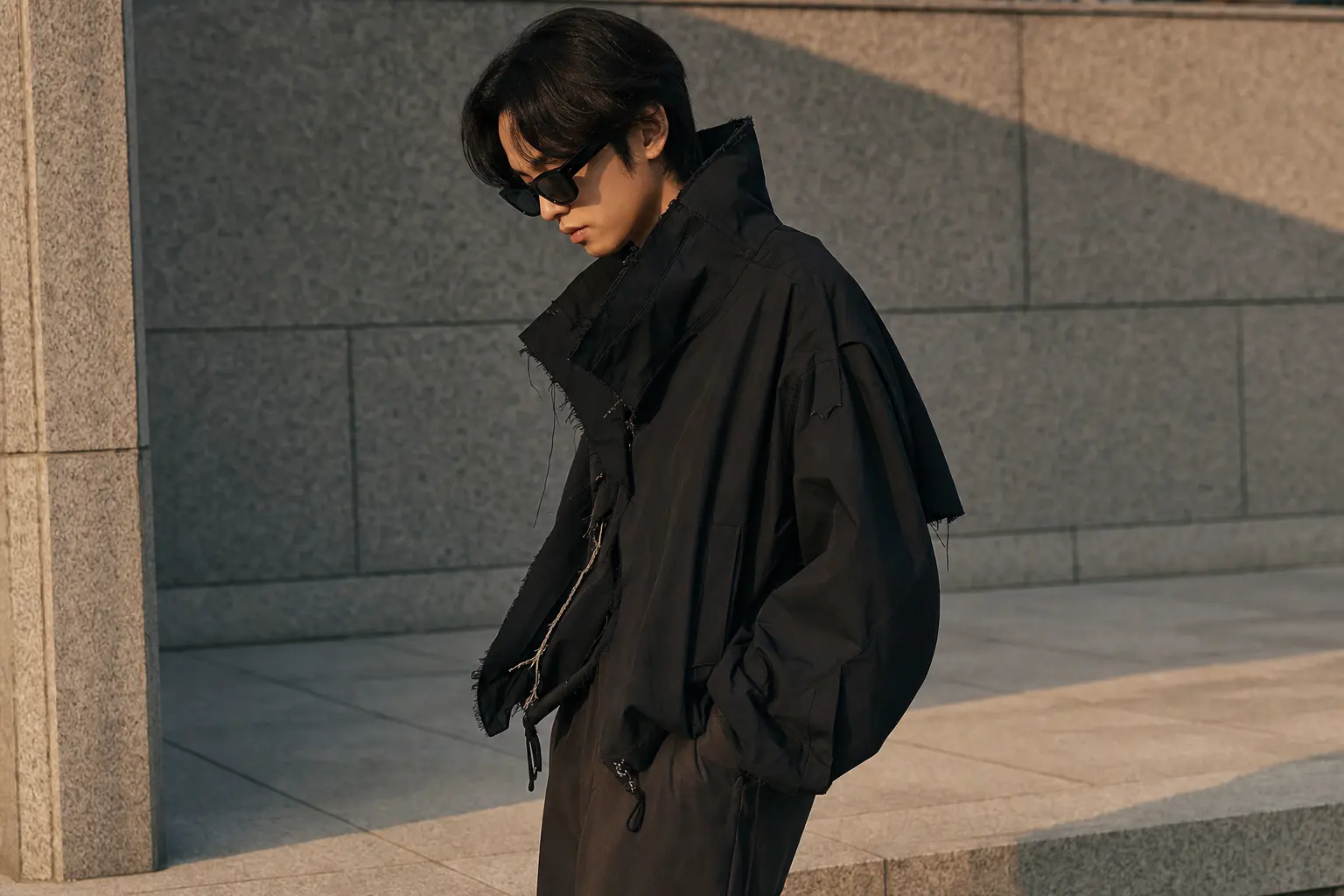
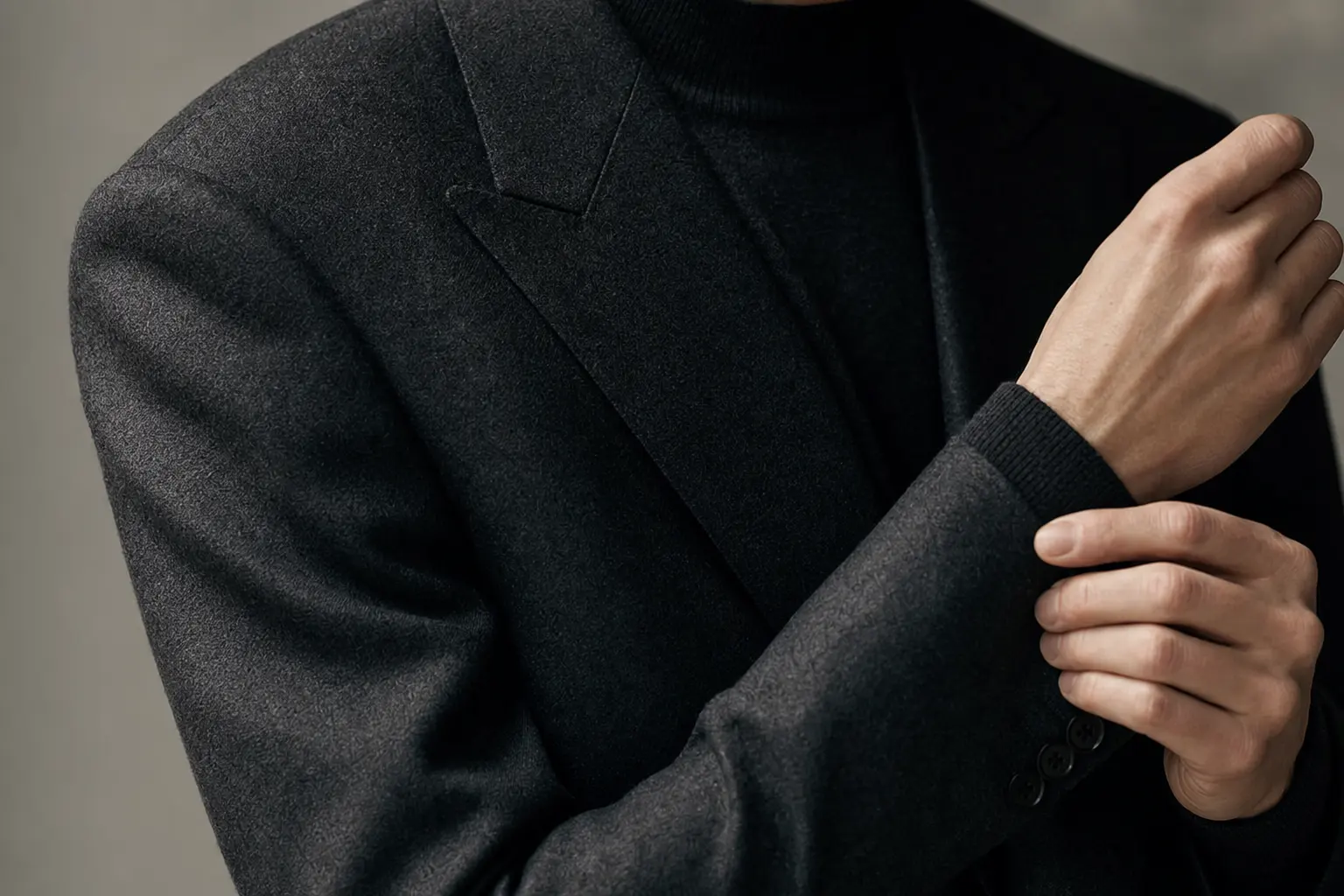
Korean tailoring has matured into a distinct lane of contemporary luxury. Wooyoungmi, a South Korean menswear house that launched in Paris in 2002, exemplifies how Korean designers translate local sensibilities into global tailoring language [3]. The brand’s approach to menswear—clean lines, subtle structural play, and an understated luxury—underscores why many Seoul-based designers look to Parisian presentation while retaining Korean design DNA.
Beyond Wooyoungmi, a new generation refines classic tailoring with gender-fluid cuts and unexpected materials. This wave favors ease of movement and proportion over rigid formality, so garments feel modern yet rooted in sartorial technique. If you’re updating your tailored pieces, look for jackets with softer shoulders, trousers with a relaxed taper, and finishes that read minimal rather than ornate.
How to buy and integrate tailored pieces
Fit remains paramount. Always check shoulder seam placement and jacket length—these determine whether a piece reads tailored or oversized. For body measurement guidance, use the brand’s size chart and measure an item you already own that fits well. If you’re between sizes, consider the silhouette: choose a smaller size for a cleaner look or the larger for an intentionally relaxed silhouette.
- Day-to-night tailoring: layer a lightweight knitted polo under a single-breasted jacket to bridge casual and formal.
- Gender-fluid options: many labels now offer unisex cuts; sizing and bust/waist details help determine the best fit.
- Material notes: wool blends with slight stretch add comfort for everyday wear, while pure wool suits work best for formal settings.
Wooyoungmi’s Paris presence shows the exportability of Korean tailoring: a measured modernism that fits global wardrobes while keeping a clear design signature.
Platforms, expansion, and how to buy authentic Korean labels
Access to Korean fashion has improved as platforms mature and brands expand D2C. Musinsa, Korea’s leading fashion platform, moved into international offline concepts and formed a China joint venture with ANTA in 2025—signalling stronger cross-border retail strategies for the region’s labels [5]. These shifts reduce friction for international shoppers but also create nuance: different channels carry varied assortments and collaboration pieces.
Buying authentic pieces requires understanding distribution: some brands sell globally through their own webstores and selected platforms, while others use platform exclusives or regional collaborations. If you’re shopping from outside Korea, compare product details, sizing charts, and shipping options. Verified platform listings will include official product codes and consistent imagery—use these to cross-check authenticity.
Practical steps to purchase with confidence
- Confirm seller credentials: official brand boutiques or authorized platform storefronts are the safest bets.
- Check product codes and lookbook images: consistent naming and photography suggest legitimate listings.
- Read return and duty policies: international returns can be costly, so verify before buying.
For limited drops and collaborations—frequent in the Korean scene—prepare for time-based releases and high demand. Platforms often host timed releases or lotteries to manage volume; sign up for newsletters or platform accounts to get notified. Finally, when in doubt, consult detailed product measurements rather than relying solely on size labels—this prevents surprises and minimizes returns.
Sizing, fits, and practical buying tips for international shoppers
Sizing is one of the most common pain points when buying from Korean labels. Many designers favor relaxed or slightly compact proportions depending on the brand’s language—streetwear houses often lean oversized, while certain designer labels use more tailored cuts. The key is to rely on measurements, not numeric labels, and to understand how a brand constructs its silhouettes.
Measure a well-fitting garment you already own: chest, shoulder width, sleeve length, waist, and hip. Compare these to the brand’s size chart. Pay special attention to length measurements (body and sleeve), since small differences can shift how a garment reads on your frame. If the brand offers fit notes or lookbook imagery with model measurements, use those as context for how a size will drape.
Fit strategies and common mistakes
- Don’t assume standard international sizing: an M in one brand could be oversized in another—measurements matter more than labels.
- Consider intended silhouette: if the look is meant to be oversized, sizing down may lose the designer intent; if you prefer closer fit, choose based on chest or shoulder metrics.
- Layering allowance: when buying outerwear, factor in the thickness of garments you’ll wear underneath.
For footwear and eyewear, follow the brand’s specific guidance. Many labels include centimeter-based sizing for shoes; convert your measurements rather than relying on regional size conversions. For frames, try virtual tools or request measurements for lens width and bridge size. Finally, track return windows and international shipping timelines—good brands make returns straightforward, but being prepared prevents costly mistakes.
Building a Korean-inspired capsule: essentials and how to mix designers
Creating a wearable capsule that feels distinctly Korean-design-led rewards restraint and deliberate contrasts. Start with a foundation of neutrals: well-cut trousers, a minimalist coat, clean knitwear, and elevated basics. From there, layer in statement pieces—an architectural jacket, graphic hoodie, or sculptural eyewear—that become the capsule’s accents. The intent is to curate pieces that play well together and hold visual interest without clutter.
Choose one or two statement directions per season. For spring-summer, this could be a deconstructed denim jacket and bold eyewear; for fall-winter, a tailored overcoat and a sculptural knit. Limit loud graphics to single pieces and anchor them with minimal staples. This approach preserves the designer statement while ensuring daily practicality.
Capsule checklist and sample looks
- Neutral base: black/charcoal coat, white tee, slim relaxed trousers.
- Core knit: lightweight crew or fine merino in a neutral tone.
- Statement outer: deconstructed jacket or sculptural blazer.
- Accessories: architectural sunglasses and a low-profile bag to finish.
Mixing designers is about balance. Pair a bold streetwear outer from ADERERROR with a tailored Wooyoungmi trouser to blend edge and polish. Or use Gentle Monster eyewear to punctuate a minimal monochrome outfit. For shoppers ready to try pieces, consider starting with a single showpiece—an outer, a pair of glasses, or a premium knit—then build support pieces that let that item shine.
[EKABP_PRODUCT_CARD id=”101″] [EKABP_PRODUCT_CARD id=”204″]
These curated entry points let you test a brand’s language without overcommitting. Focus on fit and fabric, and prioritize pieces that adapt across looks and seasons.
What’s next: trends, brands to watch, and how the scene will evolve
Looking forward, the Korean fashion landscape will continue its platform-driven expansion and experiential retail experiments. Analysts and roundups from 2025–2026 highlight labels like Ader Error, Gentle Monster, thisisneverthat, Andersson Bell, and Wooyoungmi as gaining sustained global interest—an indicator that both streetwear and craft-driven tailoring will remain prominent [6]. Musinsa’s international push in 2025 also points to stronger direct distribution and physical retail concepts abroad [5].
Design trends to monitor: Y2K references reinterpreted with cleaner proportions, gender-neutral tailoring, and retail experiences that combine product with immersive narrative. Expect drops tied to cultural projects—films, performance, and media—rather than purely fashion-led collaborations. This evolution signals a move from seasonal collection cycles to continuous storytelling, where limited projects and installations drive attention.
Brands and movements to watch
Keep an eye on fashion houses that balance craft with commerce—those that can translate runway innovation into wearable pieces without losing identity. Newer labels experimenting with sustainable materials and circular practices will gain traction as consumers demand longevity. At the same time, brands that master the retail experience—curation, installation, and community—will continue to punch above their size.
- Platform globalization will increase availability and lower barriers to entry for international shoppers.
- Retail-as-art will remain a differentiator: expect more gallery-like stores and pop-up installations.
- Design focus will shift toward enduring silhouettes with distinct, repeatable details.
For the modern wardrobe, that means investing in measured pieces—selective statement items backed by elevated basics—and following labels whose long-term vision aligns with your personal style. The brands to watch are those that design with clarity, present with craft, and scale thoughtfully.
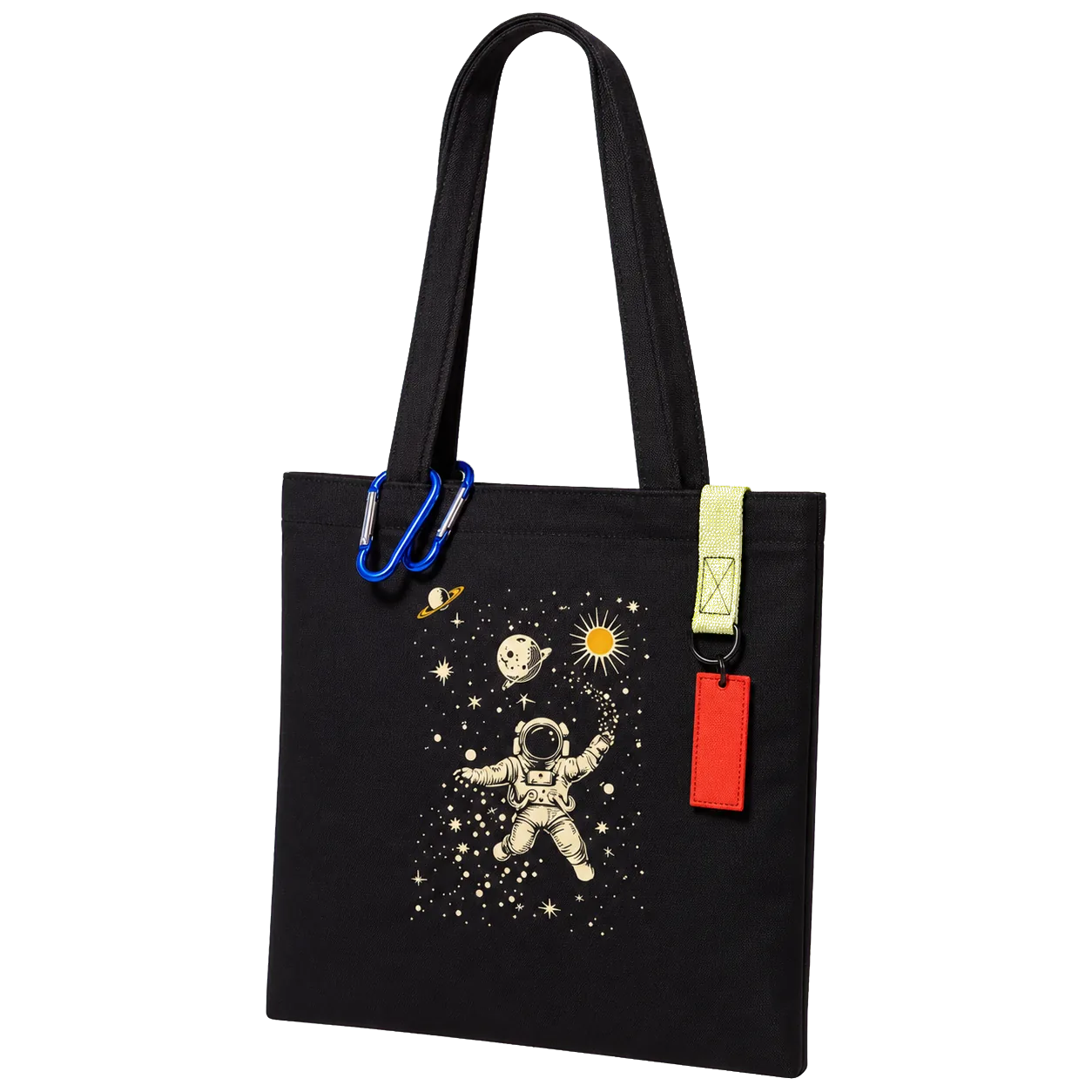
Shop the collection: Korean graphic tees, Korean long sleeve shirts, Korean sweatshirts, Korean hoodies and Korean tank tops – original graphics designed in Korea, made to order.
Frequently Asked Questions
How can I buy authentic Korean designer pieces from abroad?
Buy from official webstores, verified platform storefronts, or authorized boutiques listed by the brand. Check product codes, lookbook imagery, and seller credentials. Review return, shipping, and duty policies before purchase to avoid surprises.
Do Korean brands run small or use international sizing?
Sizing varies by label—some favor oversized cuts while others are more tailored. Always compare your measurements to the brand’s size chart and measure a well-fitting garment you own for reference. Pay attention to length and shoulder measurements for the best fit.
Which brands are a good entry point if I’m on a budget?
Start with platform-friendly brands and smaller capsule items: elevated basics, accessories, or a single standout accessory like eyewear. Platforms and seasonal sales often offer accessible entry points without sacrificing design language.
How common are celebrity collaborations and how do they affect availability?
Celebrity and cultural collaborations are common and often create limited-edition drops that sell quickly. They can drive resale activity and higher demand, so sign up for brand notifications and platform alerts to participate in initial releases.
How should I care for designer pieces from Korean brands?
Follow the garment’s care label and invest in basic maintenance: proper storage, gentle cleaning, and professional repairs for tailoring. For eyewear, use a hard case and microfiber cloth. Proper care extends garment life and preserves designer details.