 OBJECT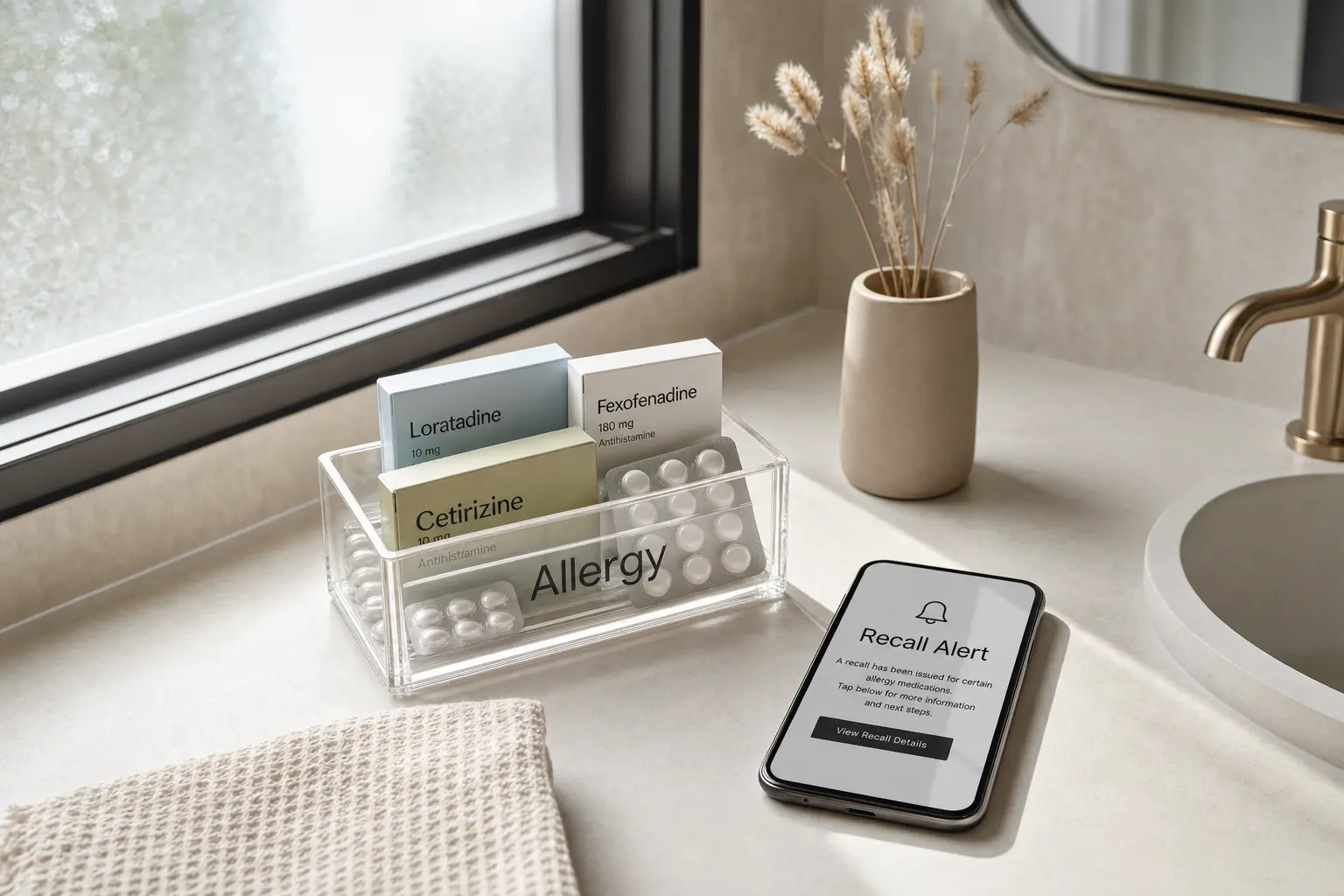
When you see the words allergy medication recalled while you’re already battling pollen, it feels like the rug’s been pulled out from under your day. Your go-to tablet or nasal spray suddenly becomes a question mark, right when you need it most for work, travel, or a weekend festival.
In 2026, a wave of safety alerts and recalls has pushed allergy meds into the spotlight, from over-the-counter antihistamine tablets to saline nasal sprays. This guide walks you through what these recalls actually mean, how to check your own products, and how to keep your routine — and your style — calm, streamlined, and under control.
Why 2026 allergy medication recalls matter for your everyday life
Drug safety headlines can feel abstract until they land directly on something you take every morning. In 2026, recall activity has climbed across several categories, and allergy products have not been spared. When a product you rely on is suddenly flagged for contamination or other issues, it impacts more than your medicine cabinet — it reshapes how you plan workdays, travel, and even your outfits for high‑pollen days.
Allergy demand usually spikes in spring and summer, when grass and tree pollen peak and outdoor plans are non‑negotiable. When recalls hit in the middle of this cycle, they intersect with packed calendars: long‑haul flights, music festivals, rooftop dinners, and outdoor shoots. That timing magnifies the stress, and it’s why staying informed about safety alerts has quietly become a core part of a modern, high-functioning lifestyle.
In the first half of 2026, regulators have flagged multiple products over contamination and sterility issues, from over-the-counter antihistamines to nasal saline sprays. These recalls are often described as voluntary, but they follow strict regulatory conversations and data. Understanding the basics — what triggered a recall, which lots are included, and what you should do next — helps you avoid panic and respond with the same calm, intentional mindset you bring to curated closets and travel planning.
How drug recalls typically work
Most medicine recalls fall into a few broad categories. Sometimes a product’s quality testing reveals microbial contamination, such as yeast or certain fungi, especially for liquids and sprays that need to be sterile. In other cases, chemical contamination or cross‑contamination is identified, where another compound is found where it doesn’t belong, potentially raising safety or regulatory concerns.
Recalls are usually initiated by manufacturers in coordination with regulators, based on testing data or post‑market reports. Announcements are made publicly so consumers, pharmacies, and healthcare professionals can identify affected lots. You’re expected to cross‑check information like brand name, strength, dosage form, manufacturer, and lot number on your own packaging against recall details and then follow the specific guidance given for that recall.
For the everyday consumer, that can sound overwhelming. But once you understand the pattern — official announcement, product identifiers, clear next steps — it becomes another life admin task you can manage with the same confidence you bring to maintaining your wardrobe: edit, assess, replace with intention, and move on.
- Higher recall volume in 2026 means more consumer touchpoints with safety alerts.
- Seasonal allergy surges make timing of recalls especially disruptive.
- Understanding recall basics helps you respond quickly, not anxiously.
- Checking your products can become a simple, periodic habit — not a crisis.
Inside the latest 2026 allergy medication recalled headlines
To make sense of recent alerts, it helps to look closely at what actually happened. Two high‑visibility cases in 2026 involved an oral antihistamine and a nasal saline spray — everyday items found in many bags and bedside drawers. Neither case was about dramatic, widespread harm. Instead, both were about potential safety risks identified in testing, which triggered precautionary recalls before major problems were reported.
In mid‑July 2026, Unique Pharmaceutical Laboratories, a division of J.B. Chemicals & Pharmaceuticals, voluntarily recalled four lots of over-the-counter cetirizine hydrochloride 5 mg tablets. Cetirizine is a widely used antihistamine, often taken once daily for seasonal or environmental allergies. The reason: potential cross‑contamination with ranitidine, a drug historically used for acid‑related conditions, which has its own complex regulatory history. No adverse events were reported at the time of the announcement, but the presence of an unintended active ingredient is taken seriously.
The ranitidine angle matters because regulators previously requested removal of certain ranitidine products from the market in 2020 due to concerns about NDMA, an impurity classified as a probable human carcinogen. Reformulated versions were later approved and returned to the market in 2025, but any hint of cross‑contamination with ranitidine naturally triggers scrutiny. Even if the cross‑contamination is minor, regulators and manufacturers tend to err on the side of caution, especially when large volumes of allergy tablets are sold.
Microbial contamination and nasal sprays
In June 2026, Beekeeper’s Naturals issued a voluntary nationwide recall of a saline nasal spray after quality testing showed microbiological contamination above acceptable limits. The concern included yeast and possible Aspergillus species, a type of fungus. Nasal products are especially sensitive from a safety perspective because they come into contact with mucous membranes and, in some cases, are expected to be sterile to minimize infection risk.
Microbial contamination in products like nasal sprays does not automatically mean someone will get sick. However, people who are immunocompromised or have underlying health issues could be more vulnerable, which is why regulators treat this scenario seriously. When contamination is detected, pulling products off shelves and out of circulation quickly is a key safety strategy.
These examples highlight a broader 2026 trend: many recalls are about quality controls catching something early. For consumers, the key takeaway isn’t to fear every bottle in your cabinet, but to develop a quick, rational response system. Know how to identify your lot numbers, understand the difference between chemical cross‑contamination and microbial contamination, and be ready to talk with a pharmacist or clinician about safe alternatives if your usual pick is affected.
- Chemical cross‑contamination (like cetirizine with ranitidine) focuses on unintended active ingredients.
- Microbial contamination (like yeast or fungi) often affects liquids or sprays with sterility needs.
- 2026 recalls in allergy products reflect stricter quality vigilance, not just emergencies.
- Knowing the story behind a recall can help you respond with context instead of panic.
How to check if your allergy medicine is part of a recall
Headlines about an allergy drug recall are just the starting point; what you actually need to know is whether your specific box, blister pack, or bottle is impacted. That comes down to product identifiers — the same way a garment has a size, color code, and production tag, medicines carry a structured identity on their packaging. Once you know what to look for, checking your own products becomes a straightforward, almost administrative habit.
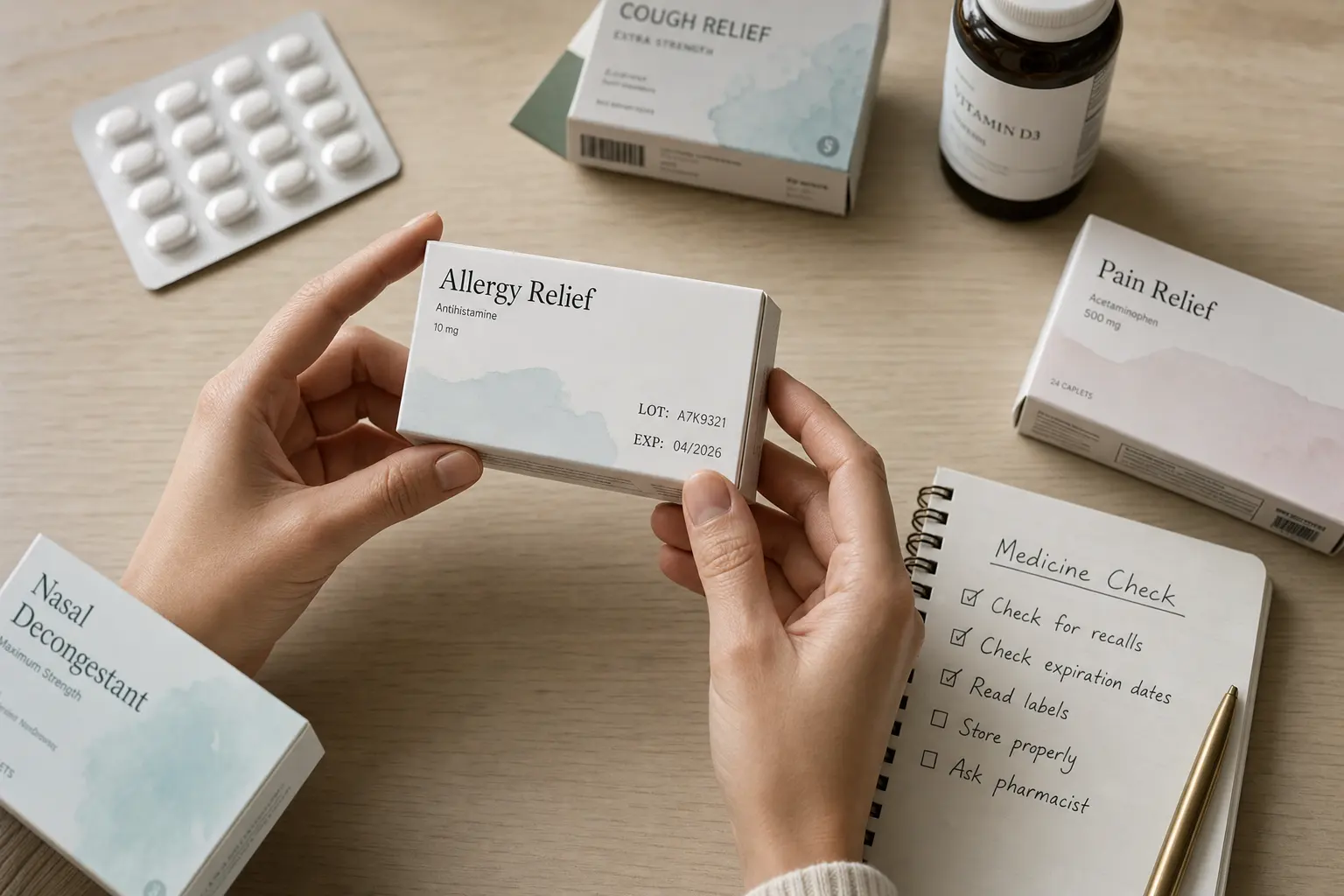
Every medicine package generally includes several key elements: the brand or generic name, strength (for example, 5 mg), dosage form (tablet, liquid, spray), manufacturer or distributor, lot or batch number, and expiration date. A recall notice will usually list which of these are affected, especially the lot numbers and expiration ranges. Your task is to match what’s in your hand with what’s listed in the recall description.
Because recall information updates over time, regulators advise checking official recall pages, manufacturer announcements, or asking your pharmacy if you are unsure. Many pharmacies can verify whether a product they dispensed is part of a recall and can help you interpret the guidance. If you suspect that a medicine may have caused an adverse reaction, regulators also encourage reporting through systems like MedWatch, which help track safety signals. Always talk with a healthcare professional before making big changes to your medication routine, especially if you’ve been taking something regularly.
Step-by-step: checking your product
If you see news about an allergy therapy recall and want to verify your own supply, move through it like a simple checklist:
- 1. Gather everything: Bring out all related allergy products — tablets, sprays, eye drops — from your bag, bathroom, and bedside.
- 2. Find the identifiers: On each item, locate the lot or batch number, strength, manufacturer/distributor, and expiration date. These may be printed on the side panel, bottom, or blister foil.
- 3. Compare to the recall: Read the recall notice details and compare each identifier carefully. A match usually requires the same product, strength, manufacturer, and specific lot or batch number.
- 4. Note any matches: Set aside anything that appears to match the recall description. Do not throw it away yet unless instructions explicitly say so.
- 5. Contact a professional: Reach out to your pharmacy or healthcare provider for guidance on whether to stop using the product and what alternatives make sense for you.
- 6. Follow official instructions: Recalls usually outline whether products should be returned, disposed of, or handled in another specific way.
It is important not to abruptly stop a long‑term medication without medical advice. For example, regulators have highlighted that stopping some oral allergy medicines like cetirizine or levocetirizine after prolonged use may rarely be associated with severe itching in some people. If you’ve been on a daily habit for a long time, sudden changes can feel uncomfortable or unexpected, even when they’re medically acceptable. Discussing options with a clinician can help you transition smarter when recalls intersect with chronic use.
Treat the process like a wardrobe edit: methodical, informed, and free from drama. You’re not expected to decode everything alone; pharmacists and healthcare professionals exist for a reason. Your role is simply to show up prepared — with boxes, lot numbers, and specific questions — so the conversation is efficient and reassuring.
What an allergy medication recalled alert really means for your health
Seeing a recall headline can trigger immediate anxiety: Is it dangerous? Was I harmed without realizing it? It helps to remember that recalls exist on a spectrum of seriousness. Some are issued because of a potential risk identified in testing, before anyone has reported problems. Others follow patterns of adverse events. Regulators aim to intervene early, so you’re often seeing issues flagged long before many people are directly affected.
With chemical cross‑contamination, like the cetirizine lots found with potential ranitidine involvement, the concern is that an unintended active ingredient may change the product’s safety or regulatory profile. The exact risk depends on how much of the contaminant is present and who is taking the product. Regulators tend to act conservatively when a drug with a previous safety history, such as ranitidine and NDMA concerns, is detected, even in small amounts. That conservative approach is designed to protect a wide range of users, including children, older adults, and people with comorbidities.
Microbial contamination in nasal sprays or other solutions raises a different set of questions. Yeast or fungal organisms above accepted limits may pose higher risks for individuals with weakened immune systems or those using the product in ways that bypass normal barriers. That’s why sterility and microbiological limits are tightly controlled for products that touch eyes, nasal passages, or are injected. Again, recalls in this space are about preventing possible infections rather than reacting only after they become widespread.
Balancing caution with perspective
From a lifestyle standpoint, the goal is to balance alertness with calm. Just as you would not throw away your entire wardrobe because a single button came loose on one shirt, you do not need to fear every medicine because some lots were recalled. Instead, use recalls as signals to audit, ask informed questions, and maintain a minimalist, intentional approach to what you actually use.
Practical steps that may help include keeping a small note or digital file listing the allergy products you use regularly, their strengths, and approximate purchase dates. That way, if you see a recall alert, you can quickly decide whether it’s even likely to affect you. If you have complex health conditions, allergies to multiple medications, or take several daily drugs, coordinating with a clinician or pharmacist can help you understand individual risk without guesswork.
Importantly, information in recall announcements and safety communications is general and population‑level. It cannot replace the advice of someone familiar with your specific history. Regulators themselves encourage consumers to consult healthcare professionals before discontinuing or changing therapies, especially chronic ones. In other words, the stylish, future‑facing move is not reactive self‑diagnosis, but a calm collaboration with specialists — you handle the life design; they handle the clinical nuance.
- Recalls may be precautionary, based on testing, rather than proof of harm.
- Chemical and microbial issues carry different potential risks and are regulated differently.
- Personal health status strongly influences how relevant a recall is for you.
- Professional guidance is essential before major changes to medication routines.
Travel, festivals, and busy weeks: staying prepared when your go-to allergy med disappears
Allergy management is rarely just a medical detail; it’s a logistics question tied to how you live. A recall landing in the middle of a peak season trip or a packed event calendar can derail carefully planned looks and experiences. Suddenly, your usual once‑daily tablet or beloved nasal spray may be unavailable, and you’re forced to improvise while juggling flights, guest lists, or shoot schedules.
The first move is to avoid last‑minute scrambles. If you depend heavily on a particular antihistamine or nasal product, aim to think one or two seasons ahead, especially if you know your triggers (spring blossoms, summer grass, dusty venues). Discuss backup options with a healthcare professional during a calm moment — not at the airport. That way, if your brand or lot is recalled or out of stock, you already have a plan B and possibly a plan C that you know works for you.
When traveling internationally, drug formulations and brand names can vary, and not every product you use at home will be accessible or equivalent abroad. If a recall removes your standard product and you’re moving through multiple countries, having a written list from your clinician or pharmacist of acceptable alternatives and active ingredients can make conversations at foreign pharmacies smoother. It also helps you avoid relying on hearsay or unverified information in unfamiliar environments.
Building a smart allergy-ready travel kit
Treat your health kit the way you treat your capsule wardrobe: edited, versatile, and ready for rapid reconfiguration. Consider including:
- A primary antihistamine: The one you usually tolerate well, packed in its original labeled packaging for easy identification.
- A backup option: An alternative class or formulation recommended by your healthcare professional in case of recall or stock issues.
- Nasal support: A saline spray or rinse device you trust, plus any non‑drug accessories like soft tissues or saline rinse sachets if approved for you.
- Non‑drug aids: A breathable mask for high‑pollen days on flights or trains, and stylish sunglasses that double as eye protection outdoors.
- Documentation: A photo or digital note of your medications, doses, and any known intolerances or allergies.
For festivals and long outdoor days, layer your strategy like your outfit: start with prevention, then active coping. Check pollen levels when you check the weather. Consider choosing outfits that work with light outer layers you can peel off and wash easily, minimizing the pollen you bring back into your car or hotel. Opt for smooth, tightly woven fabrics over fuzzy knits on high‑pollen days, as they may trap fewer particles.
Above all, treat recall news as one variable in your planning, not a full stop. With backups, documented alternatives, and a compact, stylishly organized health kit, you can protect your energy and still move through airports, venues, and city streets looking composed and intentional.
The minimalist medicine cabinet: editing, storing, and styling your allergy essentials
Recalls can be the perfect nudge to re‑design a chaotic medicine drawer into something calm and functional. Just as you wouldn’t keep every fast‑fashion item you’ve ever bought, you don’t need to hang onto half‑used bottles and expired blister packs “just in case.” An organized, minimalist approach makes it easier to respond to allergy alerts quickly because you can actually see what you own and how old it is.
Start with a full clear‑out session. Pull everything onto a flat surface: boxes, blister packs, nasal products, eye drops, herbal supplements, and random samples. Group them by function — allergy relief, pain relief, skin care, digestive, and so on. This visual overview will immediately reveal duplicates, out‑of‑date products, and half‑empty items you no longer trust or remember using. Next, check expiration dates and inspect packaging for damage such as broken seals, discoloration, or unusual odors.
Anything clearly expired or damaged should not be used. However, how you dispose of recalled or expired medicine matters. Regulatory authorities usually advise against simply throwing medications into household trash or sinks, because active ingredients can enter the environment or be misused. Follow the disposal instructions in the recall notice whenever relevant, and ask your pharmacy about take‑back programs or safe disposal guidance. If none is available, many regions have local recommendations for safely mixing medications with unappealing substances (like used coffee grounds) before discarding, but always confirm what applies where you live.
Designing an aesthetically calm health zone
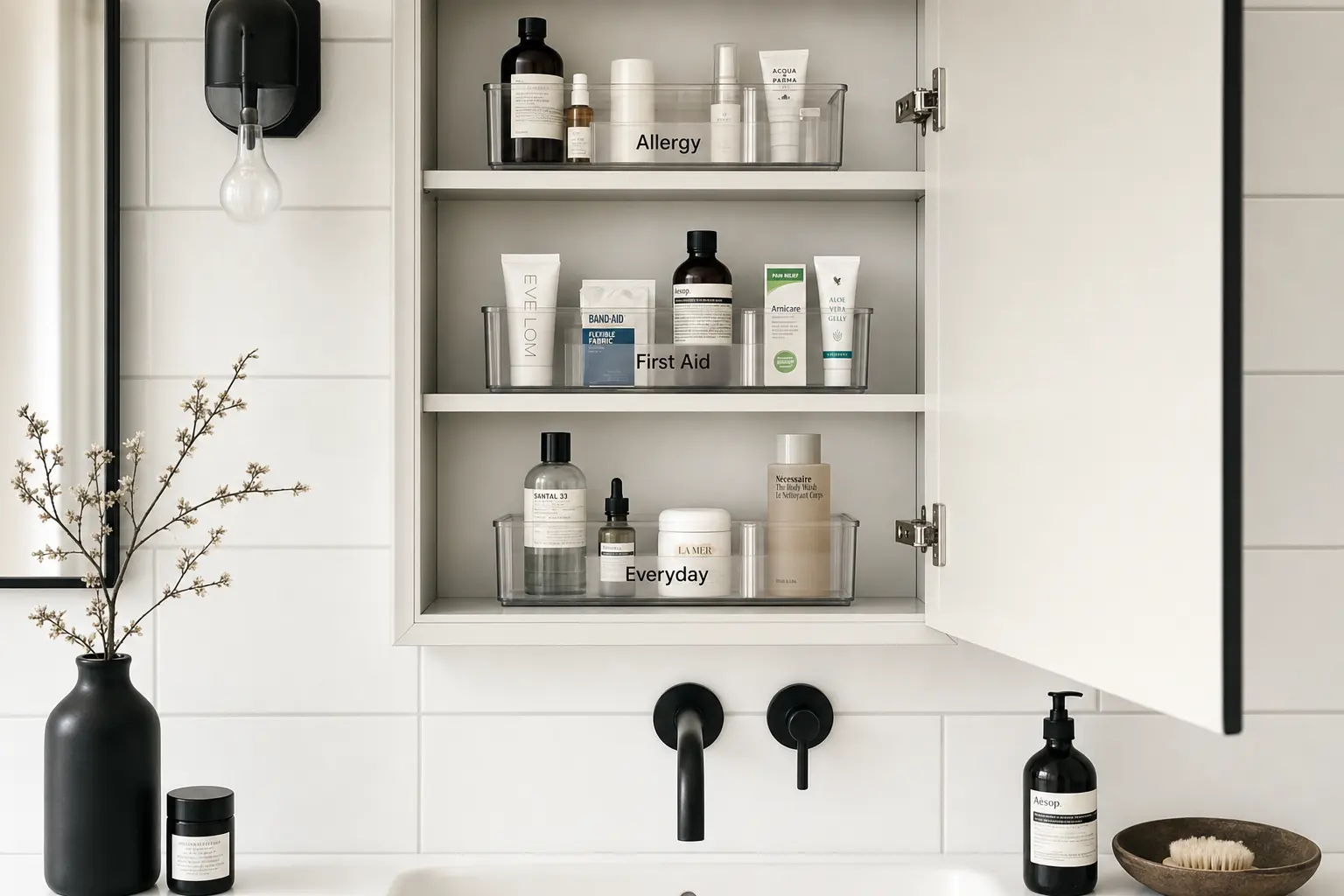
Once you’ve edited down, it’s time to style your space. A minimalist medicine cabinet doesn’t mean empty shelves; it means visible, categorized, and easy to evaluate at a glance. Consider:
- Transparent containers: Clear acrylic or glass bins let you see labels and lot numbers without digging.
- Labeling by function: Use simple, clean labels like “Allergy,” “First Aid,” and “Everyday” rather than brand names, so you can quickly spot relevant items during a recall.
- Dedicated recall corner: A small container or shelf where you temporarily park any product you suspect may be affected, until you can confirm with a professional.
- Regular audits: A twice‑a‑year “edit” aligned with allergy seasons: refresh, rotate, and check dates, just like a wardrobe changeover.
Storing medications correctly also supports safety. Keep them in a cool, dry, child‑safe space away from direct sunlight unless labels specify otherwise. Bathrooms often fluctuate in humidity and temperature, which may not be ideal for some products. Consider a discreet shelf in a closet or bedroom instead of a steamy vanity area.
This approach doesn’t just reduce risk; it aligns with a wider lifestyle aesthetic. A calm, organized health zone mirrors the clarity of a well‑curated closet or entryway. When a recall hits, you won’t be kneeling on the floor digging through random boxes. You’ll know exactly where your allergy section lives, what’s inside, and how to respond — quietly, efficiently, and in control.
Beyond pills: everyday habits that may help on high-allergy days
A recall can interrupt your usual pharmacologic routine, but it does not leave you powerless. While medications are often central to managing allergies, small, practical habits may also play a role in how intense your day feels. These are not cures or medical treatments, but lifestyle switches that can complement the guidance you receive from professionals, especially when your favorite product is temporarily off the table.
Textiles are an underrated part of allergy‑friendly living. Choosing tightly woven bedding, washing pillowcases and sheets more frequently during pollen peaks, and changing clothes after spending time outdoors may help reduce the amount of allergens you carry into your sleep environment. Opt for simple, washable fabrics in layers that can handle frequent laundering without losing shape. Your favorite minimalist cotton shirt and wide‑leg trousers can be both aesthetic and functional when they transition from city strolls to the washing machine with ease.
Indoor air habits also matter. Regularly cleaning or replacing filters in air conditioners and portable purifiers, vacuuming with devices equipped with fine‑particle filtration, and wiping surfaces where dust accumulates can make your space feel fresher. When outdoor pollen counts are high, some people choose to keep windows closed during peak hours and ventilate at lower‑pollen times. These strategies are general and may not eliminate symptoms, but they give your body fewer irritants to process in parallel with whatever medication strategy you and your clinician choose.
Small ritual shifts with big comfort potential
Think of your day as a sequence of micro‑rituals you can refine:
- Morning reset: After a run or commute, change out of outdoor layers as soon as you get home; place them in a designated spot away from your bed.
- Shower timing: Rinsing off pollen and dust before bed may help you feel fresher as you sleep, rather than bringing the day’s air into your pillow.
- Soft surfaces edit: Reduce piles of textiles that trap dust — extra throws, unused cushions — especially in the rooms where you spend most time.
- Eye and skin care: Use gentle, fragrance‑reduced products if your skin and eyes feel more reactive during allergy peaks, and discuss any new or worsening symptoms with a professional.
If a recall forces you to pause or switch medications, these non‑drug rituals can become part of your coping design. They are not a replacement for appropriate medical care, but they may support your comfort while you and your clinician adjust your plan. The key is to treat them not as restrictive rules, but as subtle upgrades to the way your space, clothing, and daily flow support your body.
Ultimately, living with seasonal or environmental sensitivities is about designing around your reality rather than fighting it. Recalls highlight our dependence on manufactured solutions, but they also invite a broader conversation: What can you do in your environment, your wardrobe, and your routines to move through each season feeling more grounded, even when one of your go‑to tools is suddenly off the shelf?

Designing a discreet, stylish allergy kit you actually want to carry
One of the simplest ways to feel less vulnerable to recall news is to stay physically prepared. That means carrying what you need — or might need — in a way that feels like part of your outfit, not an awkward medical add‑on. Think of your allergy kit as another piece of everyday carry design, like your cardholder, headphones, or compact umbrella.
Start by defining your personal essentials. For many people, that might include an oral antihistamine recommended by a clinician, a small pack of gentle tissues, a nasal product if prescribed or advised, and perhaps lubricating eye drops suitable for you. If you have a history of more severe reactions, your healthcare professional may recommend additional rescue items — those belong in your kit, too, with clear labeling and instructions provided by your clinician. Your job is to house them thoughtfully.
Choose a compact pouch that matches your aesthetic: minimalist nylon, structured vegan leather, or a small clear organizer that slips into your tote. Neutral tones with subtle hardware blend easily into any look, while transparent designs make airport security and quick checks easier. The key is segmentation — separate medications from beauty items and tech so you can access them quickly without exposing everything else.
What to keep inside your everyday allergy kit
Consider organizing your kit into micro‑zones:
- Core meds: Blister strips or mini bottles of your primary and backup allergy therapies, stored in original labeled packaging wherever possible to preserve instructions and identifiers.
- Comfort add‑ons: Soft tissues, a compact mirror, and possibly a small, skin‑friendly balm for irritation around the nose if your clinician agrees it’s appropriate.
- Information card: A slim card listing your key medications, any serious allergies, and an emergency contact, especially if you travel or attend crowded events.
- Mask + eyewear: A folded, breathable face mask and a slim case for sunglasses — both can be functional shields on windy, high‑pollen days.
Recalls make labeling and identification more than a formality. Keep outer boxes or at least a clear photo of your medication packaging and lot numbers saved on your phone. That way, if news breaks while you’re out, you can compare details or show a pharmacist without guessing. If you rotate products because of a recall or clinician advice, take a moment to update your information card and delete outdated photos so you don’t accidentally reference an old product.
By designing your allergy kit with intention and aesthetics, you turn a vulnerable point into a quiet strength. You’re not just reacting to safety alerts; you’re proactively equipped, with tools that integrate into your look and lifestyle rather than clashing with it. The result is subtle but powerful: more freedom to say yes to spontaneous plans, last‑minute travel, or all‑day outdoor events, even when the news cycle is noisy.
Staying informed without spiraling: recall alerts, digital hygiene, and what to document
In a year when “allergy medication recalled” headlines feel more frequent, the digital side of the story matters as much as what’s in your cabinet. Constant alerts can either empower you or exhaust you, depending on how you manage them. The goal is to build a light, sustainable system for staying updated on safety issues without sliding into doomscrolling or obsessive checking.
Start by deciding where your truth comes from. Regulators publish official recall announcements, and manufacturers release their own statements when issues arise. Pharmacies and healthcare professionals can help interpret these materials when you’re unsure. It’s usually more helpful to rely on these primary sources than on social media interpretations or fragmented news snippets, which may exaggerate or oversimplify details.
One simple strategy is to set a recurring calendar reminder — perhaps once a month during peak allergy seasons — to briefly scan official recall listings or ask your pharmacy if there have been updates affecting common allergy products. This turns recall awareness into a predictable, contained task, instead of a constant background anxiety. If you find yourself checking obsessively, consider reducing how many alerts you’ve enabled and trusting your scheduled check‑ins instead.
What to track and how to store it
Documentation is your ally when navigating recalls. At a minimum, consider capturing:
- Photos of packaging: Clear images of front, back, and any sides showing lot numbers and expiration dates.
- Purchase details: Approximate date and location where you obtained each medicine, especially for long‑term use items.
- Symptom notes: Brief, dated notes about any unusual reactions you experience, especially if you suspect a product issue.
- Professional conversations: A quick summary of what your clinician or pharmacist advised when you asked about a recall or switch.
Store this information somewhere you already use daily: a secure notes app, a private document, or a dedicated folder of screenshots. If you ever need to report a problem to a regulatory system like MedWatch or discuss concerns with a professional, having dates, lot numbers, and symptom descriptions ready will streamline the process.
Finally, practice digital boundaries. Mute sensationalist feeds that amplify fear without adding clarity. Curate your information diet the way you curate your closet: only keep what fits and serves you. Recalls are part of a modern, highly monitored healthcare ecosystem — not a sign that everything is failing. With a minimalist information flow, intentional documentation, and trusted professional support, you can stay informed, not overwhelmed, and get back to designing the rest of your life in peace.
Frequently Asked Questions
What should I do first if I see my allergy medication recalled in the news?
Start by checking whether the specific product and lot number you own are actually part of the recall. Compare the name, strength, manufacturer, lot or batch number, and expiration date on your packaging to the details listed in the official recall announcement. If your product appears to match, set it aside and contact your pharmacy or healthcare professional for guidance before using it again. They can advise you on whether to stop taking it, how to replace it, and how to dispose of or return it safely.
Is it safe to stop my allergy medicine suddenly if it has been recalled?
It is important not to make abrupt changes to any long‑term medication without professional advice, even when a recall is involved. Regulators have noted that some oral allergy treatments, such as cetirizine and levocetirizine, have rarely been associated with severe itching after stopping long‑term use. Your individual situation, dose, and health history matter, so speak with a clinician or pharmacist about the safest way to pause, switch, or taper if needed. They can help balance recall guidance with your day‑to‑day comfort and symptom control.
How do I safely dispose of recalled or expired allergy medication?
Disposal instructions can vary by recall and by local regulations, so always start with the guidance in the recall notice and from your pharmacy. Many areas discourage simply throwing medicines into household trash or drains because of environmental and safety concerns. Pharmacies, clinics, or community programs sometimes offer medication take‑back services or drop boxes for safe disposal. If no formal program is available, ask a healthcare professional or local waste authority for the recommended method where you live before discarding anything.
What are the actual risks from contaminated nasal sprays or cross-contaminated tablets?
The potential risks depend on what kind of contamination is present, how much is there, and who is using the product. Microbial contamination in nasal sprays, such as yeast or certain fungi, may pose higher risks for people with weakened immune systems or underlying health conditions, which is why authorities set strict limits. Chemical cross‑contamination, such as unintended ranitidine in an antihistamine tablet, raises different concerns tied to the safety and regulatory history of the contaminant. Regulators typically act before large‑scale harm occurs, but your own clinician is best placed to interpret what a specific recall means for you.
How can I stay informed about allergy drug recalls without feeling overwhelmed?
Choose a small number of trusted sources, such as official regulatory recall listings, your pharmacy, and your healthcare professional, and rely primarily on them. Set a recurring reminder during allergy seasons to review recalls briefly or ask your pharmacist if there have been updates affecting common allergy products. Keep simple records, like photos of packaging and lot numbers, so you can quickly decide whether a new alert is relevant. If you notice that constant checking is increasing your anxiety, reduce push notifications and return to your scheduled, intentional check‑ins instead.
Are there non-drug strategies that may help on days when my allergy medication is changed or unavailable?
Non‑drug strategies cannot replace medical treatment, but they may support your comfort when you are adjusting medications under professional guidance. Examples include washing bedding more often during pollen peaks, changing clothes after time outdoors, and reducing dust‑catching textiles in the rooms where you sleep and work. Maintaining clean air filters and ventilating strategically based on pollen levels can also be helpful for some people. Discuss any persistent or severe symptoms with a clinician, as they can advise you on how lifestyle habits and medical treatments fit together in your specific case.



































































0 responses