 OBJECT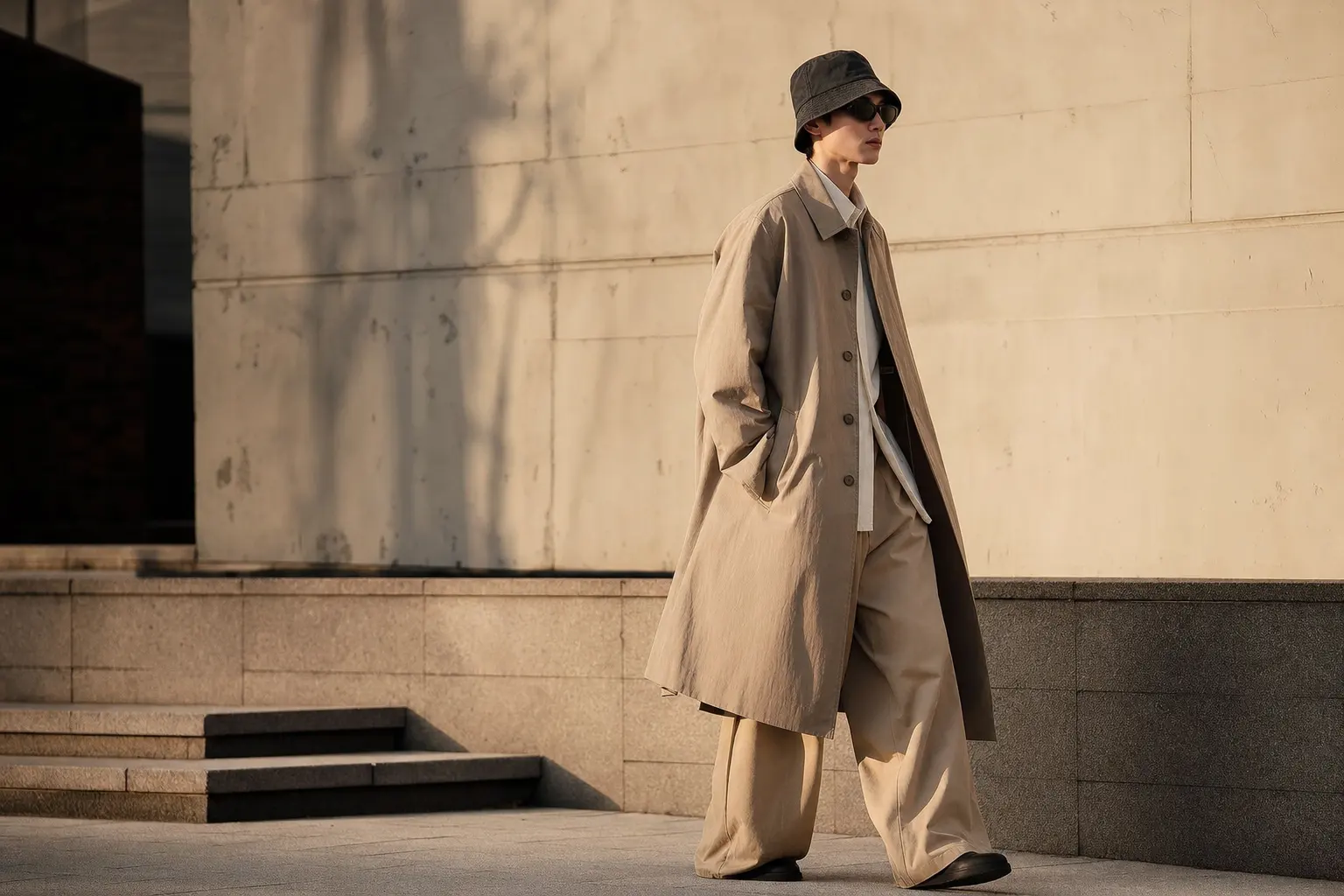
how to dress like a korean idol — it’s about measured contrasts: oversized with tailored, statement with restraint. Whether you want the off‑duty airport ease or a stage‑ready edge, this guide breaks down the building blocks used by Korean idols and K‑fashion stylists.
We cover capsule essentials, layering and proportion tricks, accessory play, hair and makeup cues, and practical shopping strategies so you can create polished, modern looks rooted in Seoul’s contemporary design language.
The Korean Idol Aesthetic: What Defines the Look
The visual language around idols is shaped by music, performance demands and Seoul’s design scene. In recent years K‑pop’s global reach consolidated it as the leading music genre by unit sales, and that cultural prominence feeds fashion decisions on stage and off [1]. Seoul Fashion Week and city presentations continue to link idol visibility with runway trends, making idol styling a two‑way influence between music and design [2].
Performance vs. Off‑Duty
Idol styling splits into two practical categories. Stage looks prioritize impact: bold silhouettes, texture play, metallics, holographic accents and statement accessories. Off‑duty looks favor polished casual: oversized outerwear, low‑rise trousers, visible brand or athletic waistbands, and controlled layering. Both approaches share a refined sense of proportion and attention to detail.
Key Signifiers
- Oversized layering and exaggerated proportions for visual drama [5].
- Gender‑fluid silhouettes—mixing tailored and relaxed pieces for an androgynous edge.
- Y2K → Y3K futurism: holographic surfaces, chrome hardware and sculptural accessories [5].
- Accessory focus: hats, sculptural sunglasses, chunky jewelry and visible hair details [4][6].
These signifiers are not rigid rules but a palette. Context — whether a music video, airport arrival or fashion week appearance — determines how exaggerated or subtle each element becomes. Later sections translate that palette into step‑by‑step choices for everyday wear.
How to dress like a Korean idol: Foundations for your wardrobe
Start with a controlled capsule that makes mixing intentional. The foundational question is not “what brand” but “what function and shape”: which pieces give you range for both off‑duty polish and stage‑inspired drama? Build around neutral anchors and add one or two statement textures per outfit.
Capsule essentials (the minimum viable wardrobe)
- One oversized blazer or structured coat in a neutral tone — long enough to layer over chunky pieces.
- Wide, low‑rise trousers and a tapered tailored pair for contrast.
- Neutral tees and a fitted turtleneck for clean layers.
- Utility cargo piece or tech parka for texture and practical pockets.
- Statement outerwear in a single color or faux‑fur/tech finish for occasions.
- Key accessories: bucket hat or cap, sculptural sunglasses, one chunky necklace, one refined ring.
Think in sets: each neutral anchor should combine with at least three other items. For example, wide trousers work with a fitted turtleneck, oversized blazer, or cropped jacket. This strategy multiplies looks without excess spending.
Palette, fabric and texture rules
Idol‑inspired palettes generally stick to muted primaries, soft earth tones and one accent color per look. Materials mix matte tailoring with a single reflective or tactile element—think a satin scarf, chrome accessory or a textured knit. Aim for balance: if the outfit is loud in silhouette, keep prints and colors subdued; if color is bright, simplify form and layering.
Plan purchases around versatility: fabrics that wear across seasons (light wool, engineered nylon, heavyweight cotton) yield the highest styling return.
Mastering Proportions & Layering: The Idol Silhouette
Proportion is the single most powerful tool when emulating idol dressing. Korean idol styling often pairs one exaggerated element with at least one grounded piece—an oversized coat with narrow trousers, or a voluminous skirt with a cropped jacket. This creates visual tension and a signature silhouette without resorting to excessive ornamentation.
Layering techniques that work
- Long over long: a longline tee under a mid‑thigh coat, leaving the hem visible to create vertical lines.
- Short over long: cropped jackets over wide trousers amplify the waistline and make proportions more intentional.
- Mix textures per layer: smooth knit + matte cotton + glossy accessory to avoid a flat look.
When layering, consider densities. Lightweight base layers (thin tees, mesh) beneath structured pieces prevent bulk. Use midweight knits and shirts for volume control. If you want the oversized aesthetic but dislike fabric weight, choose fabrics with structure (lightweight gabardine, coated cotton) that hold silhouette without sagging.
Balancing volume: practical rules
Use these quick tests before leaving the house: if both top and bottom are oversized, add a defined waist (belt, tucked-in layer) or choose asymmetric hems to break the plane. When the top is voluminous, favor narrower footwear to stabilize the look. Conversely, wide trousers pair best with a slightly cropped or tucked top to maintain proportion clarity.
Common mistakes include overcomplicating with too many statement pieces and ignoring the silhouette from different angles. Take photos in natural light to see where lines collapse or clash, then adjust—often a single tuck, roll or accessory solves the issue.
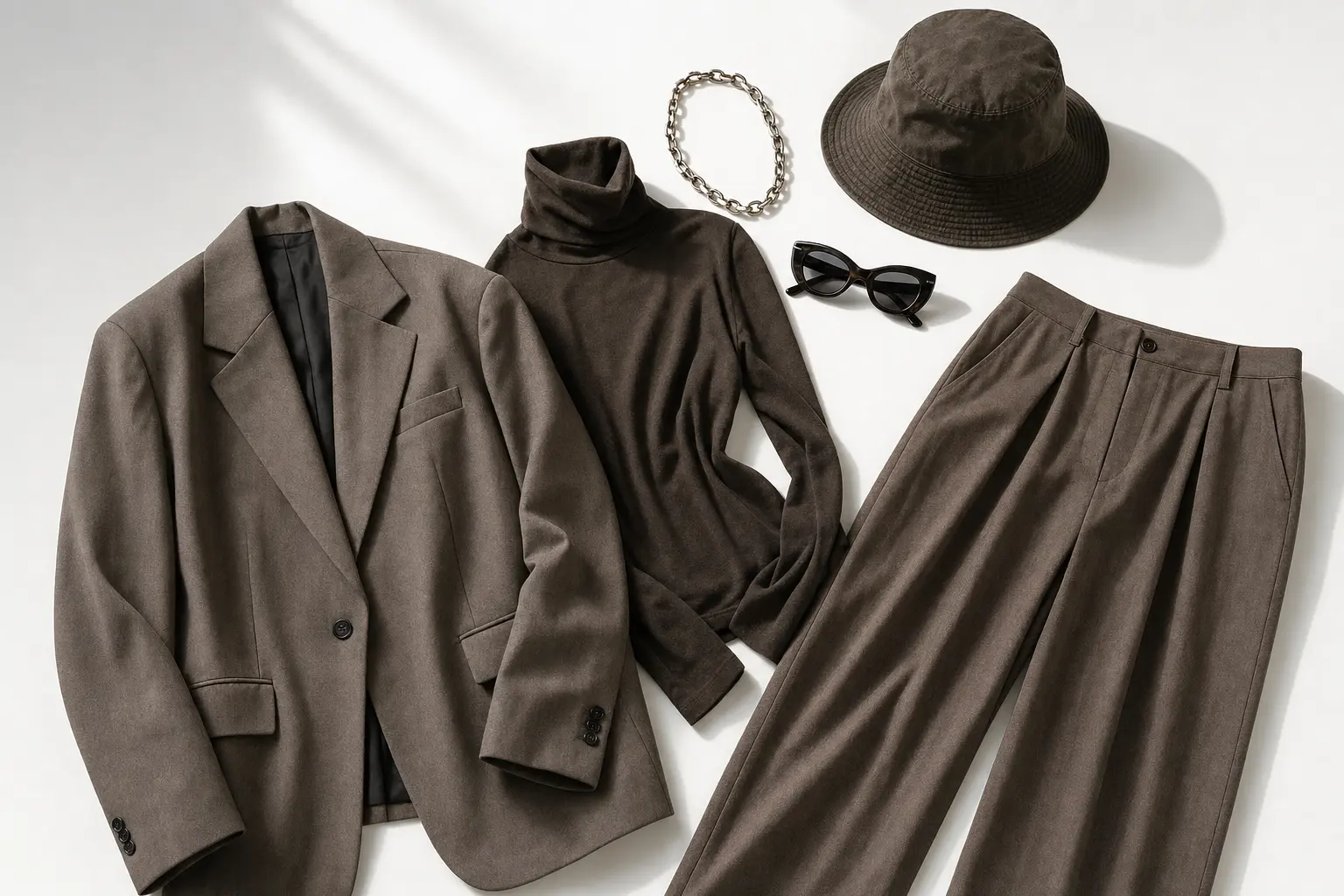
Accessories, Headwear, and Statement Details: Small things that register big
Accessories are where idol aesthetics become instantly recognizable. In 2025 accessory and headwear demand rose, with experimental retail and special collections spotlighting hats, hair accessories and sculptural eyewear [4][6]. A single accessory can shift a casual outfit into a stylized look that reads like an idol edit.
Accessory rules of thumb
- Commit to one dominant accessory per look—hat, necklace, or bold sunglasses—and keep other pieces minimal.
- Scale and placement matter: chunky chains sit better when peeking over collars; hair clips should be asymmetrical for a modern touch.
- Mix metal finishes sparingly—two at most—unless the look intentionally leans futuristic.
Headwear and eyewear
Bucket hats and sculptural caps create an immediate streetwear frame for the face. Sunglasses—oversized or architectural—add celebrity polish and work well with clean hair and minimal makeup. For daytime looks, choose matte or lightly tinted lenses. For evening, consider mirrored or colored lenses for a theatrical touch.
Jewelry and hardware
Chunky jewelry (chains, pearl‑accent pieces) is commonly used to balance soft fabrics and oversized silhouettes. Visible fastenings—large zippers, carabiner details, and chrome hardware—act like jewelry at a structural level. For wearable idol styling, keep jewelry proportionate to the garments: heavy chains with heavy outerwear, delicate rings with lighter knits.
Finally, small details—visible waistbands, branded elastic peeking from under layers, and hair accessories—are effective because they imply thoughtfulness. Use them deliberately rather than scatter them; a single well‑placed detail often has more impact than many.
Hair, Makeup & Grooming: The final layer to your idol edit
Idol styling includes hair and grooming as part of the outfit—not an afterthought. 2025 trends emphasized warm reds, voluminous waves and curated minimalism in makeup, which translates into wearable looks that still feel elevated [5]. The goal is to harmonize hair and makeup with clothing proportion and accessory choices.
Hair techniques and cues
- Voluminous waves or soft texture: use a medium barrel iron and finish with a light hold mist for movement without stiffness.
- Color accents: warm reds and soft highlights frame the face and create a wearable contrast against muted wardrobes.
- Hair accessories: discreet clips or a single sculptural barrette on one side keep the look modern and directional.
For short hair, clean lines with subtle texture add sophistication. For longer hair, controlled layering and face‑framing pieces prevent the silhouette from looking heavy under oversized outerwear.
Makeup for everyday idol polish
Idol makeup commonly favors skin that reads natural and luminous rather than heavy coverage. Lightweight bases, strategically placed highlighter, a soft blush and defined brows are the core elements. For lips, muted tints or a gradient technique keeps focus on clothing and accessories rather than competing with them. When translating stage makeup to daily wear, reduce saturation and skip dramatic contouring; keep one point of interest—either eyes or lips—but rarely both.
Skincare products and routines may help achieve dewy skin, but avoid definitive health claims—say a product ‘may help’ improve texture. For grooming, maintain tidy edges—neat nails and groomed brows enhance the minimalist, studio‑calibrated look that idols often exemplify.
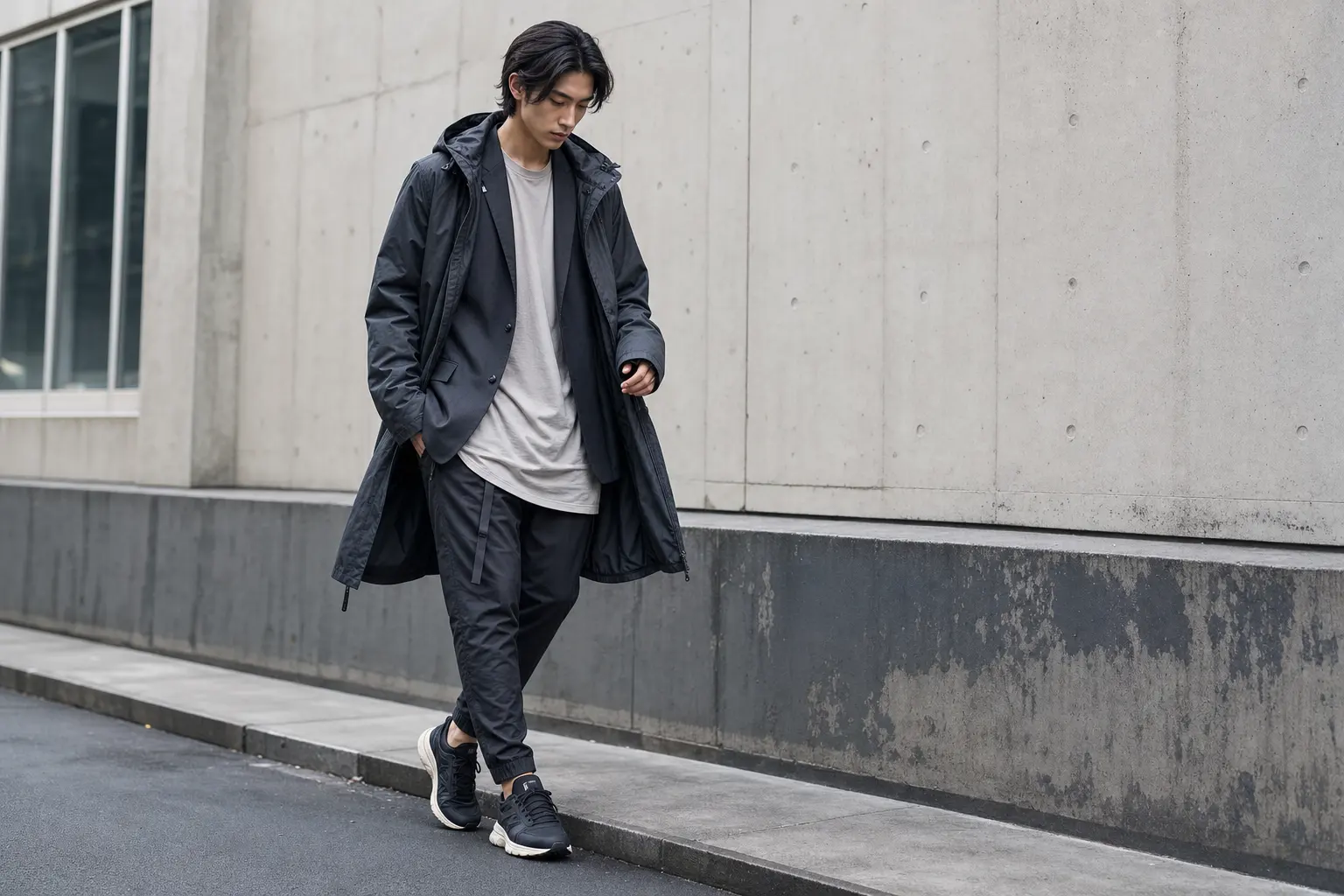
Mixing High‑End and Streetwear: Practical strategies and sustainable choices
Idol outfits often mix a luxury piece with accessible streetwear—this contrast produces sophistication and approachability without relying on overt logos. The key is to balance craft and concept: a well‑made coat or structured blazer paired with utility trousers or a statement sneaker anchors the look while keeping it relatable.
How to mix thoughtfully
- Start with one investment piece and build around it. An artisanal outerwear piece pairs best with simpler, inexpensive layers.
- Contrast materials rather than colors: a refined wool with technical nylon creates the desired tension without clashing.
- Match the visual weight—deliberately choose a heavy accessory to sit alongside a visually light garment.
Sustainable shopping and secondhand markets rose in prominence in 2025, with more stylists sourcing vintage and rental items to reduce seasonal waste [6]. If you aim to emulate idol styling while staying conscious, prioritize durable staples and consider renting a statement piece for one‑off occasions instead of buying a fleeting trend.
Budget distribution guide
Allocate roughly 40–50% of your budget to a single high‑quality anchor (outerwear or footwear), 30% to versatile mid‑tier pieces (trousers, knitwear), and the remainder to trend accessories and experimentals. This guarantees longevity while preserving room to play with seasonal details.
When blending price points, let construction speak: well‑sewn hems, stable linings and quality hardware signal longevity. Even modest garments look elevated when paired with precisely chosen finishes and coherent proportions.
Translating Stage Looks to Everyday: Wearable lessons from performance styling
Stage and video styling is deliberately heightened; translating it to daily wear requires distillation. Identify one or two elements from a stage look—fabric choice, silhouette, or a single statement accessory—and adapt scale and saturation for the street. This preserves the creative intent while keeping the outfit practical.
Step‑by‑step adaptation process
- Isolate the element: pick the single standout (e.g., chrome boots, iridescent jacket, oversized shoulder line).
- Reduce intensity: swap chrome boots for footwear with metallic accents, or choose a jacket in a muted sheen instead of full holographic finish.
- Anchor with neutrals: balance the statement with clean, simple staples—a neutral tee, classic trousers, or minimal outerwear.
For color and texture, translate theatrical saturation into tonal accents. If the stage look has neon hues, consider accessories in that tone: belt, socks, or eyewear lenses. For performance makeup, extract one technique (a glossy lid or a sharp liner) and make it wearable by softening edges and reducing contrast.
Examples and common pitfalls
Example 1: A performance outfit with exaggerated padding can be reimagined as a structured blazer with shoulder definition—paired with tapered trousers to keep proportion readable. Example 2: A sequined stage jacket becomes a subtly beaded collar or a sequined scarf for nights out.
Common mistakes include trying to replicate every dramatic element at once and ignoring practical movement—stage clothing is often engineered for choreography. For everyday purposes, prioritize comfort and mobility: ensure sleeves allow arm movement and hems don’t trip you while walking. These pragmatic choices keep the spirit of stage design without sacrificing daily functionality.
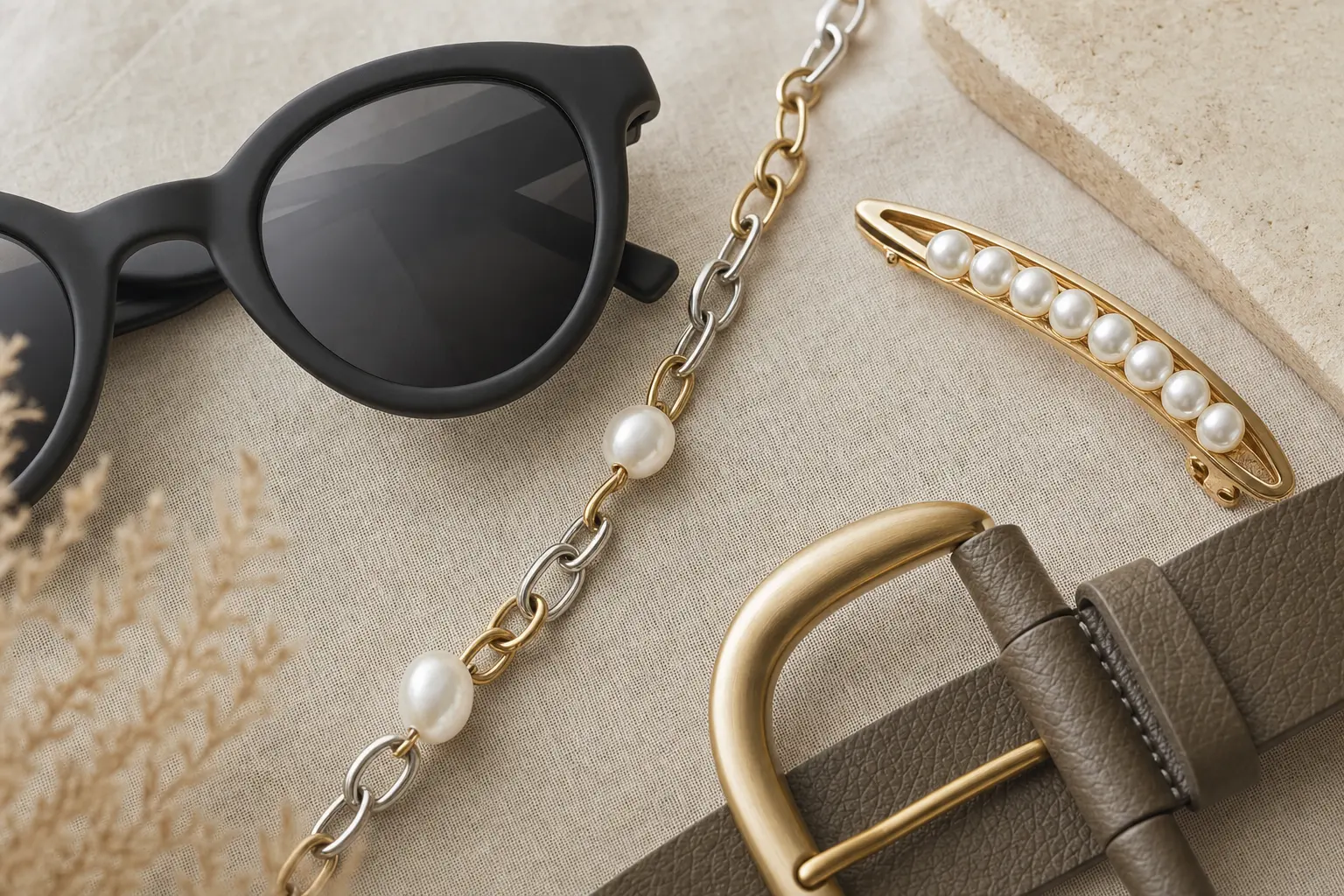
Shopping, Sizing & Care: Practical logistics for sustained style
Knowing how to shop and care for pieces is as important as knowing what to buy. In the idol aesthetic, fit is intentional—oversize is a deliberate proportion choice rather than a sizing mistake. Proper care extends garment life and preserves the elevated, studio‑clean look that defines modern Korean design aesthetics.
Sizing and fit strategies
- Try two sizes when aiming for oversized: true size for intended drape, one size up for a more dramatic effect.
- Pay attention to shoulder sits and sleeve length—these define the silhouette more than chest measurements.
- Tailoring is your ally: small adjustments (shortening sleeves, tapering pants) refine an oversized look into a considered silhouette.
When buying trousers or skirts, sample different rises. Low‑rise and mid‑rise produce very different visual balances—low rise emphasizes hip line, which pairs well with cropped tops and visible waistbands; mid‑rise reads more classic with tucked layers.
Care and maintenance
Read fabric care labels and err on the side of gentle cleaning for structured pieces. Light wool and tailored garments often benefit from professional pressing rather than home ironing. Engineered tech fabrics usually require cold water and gentle cycles. Store accessories—sunglasses, hats, jewelry—in dust bags or lined boxes to prevent scratches and maintain shape.
Resale and rental systems are increasingly useful for experimenting without long‑term commitment. If you invest in statement outerwear or a crafted accessory, document provenance and care history—this retains resale value and promotes a circular wardrobe approach. Avoid common care mistakes like overpolishing metal hardware or using harsh detergents that break down finishes; a soft cloth and targeted cleaners preserve materials longer.
Shop the collection: Korean graphic tees, Korean long sleeve shirts, Korean sweatshirts, Korean hoodies and Korean tank tops – original graphics designed in Korea, made to order.
Frequently Asked Questions
What basic pieces do I need to copy an idol off‑duty look?
Start with an oversized outer layer (blazer or parka), wide or low‑rise trousers, a fitted top (turtleneck or tee), and a pair of statement accessories like sculptural sunglasses or a bucket hat. These elements combine to create the casual but considered silhouette often seen in off‑duty idol looks.
How can I mix high‑end and fast fashion like idols without looking mismatched?
Let one investment piece anchor the outfit—typically outerwear or footwear—and build the rest with simpler, trend‑forward pieces. Focus on contrast of materials and balanced proportions rather than logos: refined craft with street textures creates the desired elevated yet accessible aesthetic.
How do I adapt stage styling for everyday wear?
Isolate one standout element from the stage look—silhouette, texture, or a single accessory—and reduce its scale or saturation. For example, swap full metallics for a metallic detail, or choose a cropped structured piece instead of full costume padding to keep the look wearable.
Are there sustainable ways to emulate idol fashion?
Yes. Prioritize durable staple pieces, shop secondhand or rental platforms for seasonal statement items, and invest in versatile garments that mix across looks. This reduces waste while keeping your wardrobe dynamic and rooted in current trends.
How important are hair and makeup to achieving the idol look?
Very important—hair and grooming function as extensions of styling. For everyday looks, favor natural luminous skin, well‑groomed brows, and one subtle point of focus (either lips or eyes). Hair should complement silhouette: soft waves for volume, or clean lines for minimal looks.