 OBJECT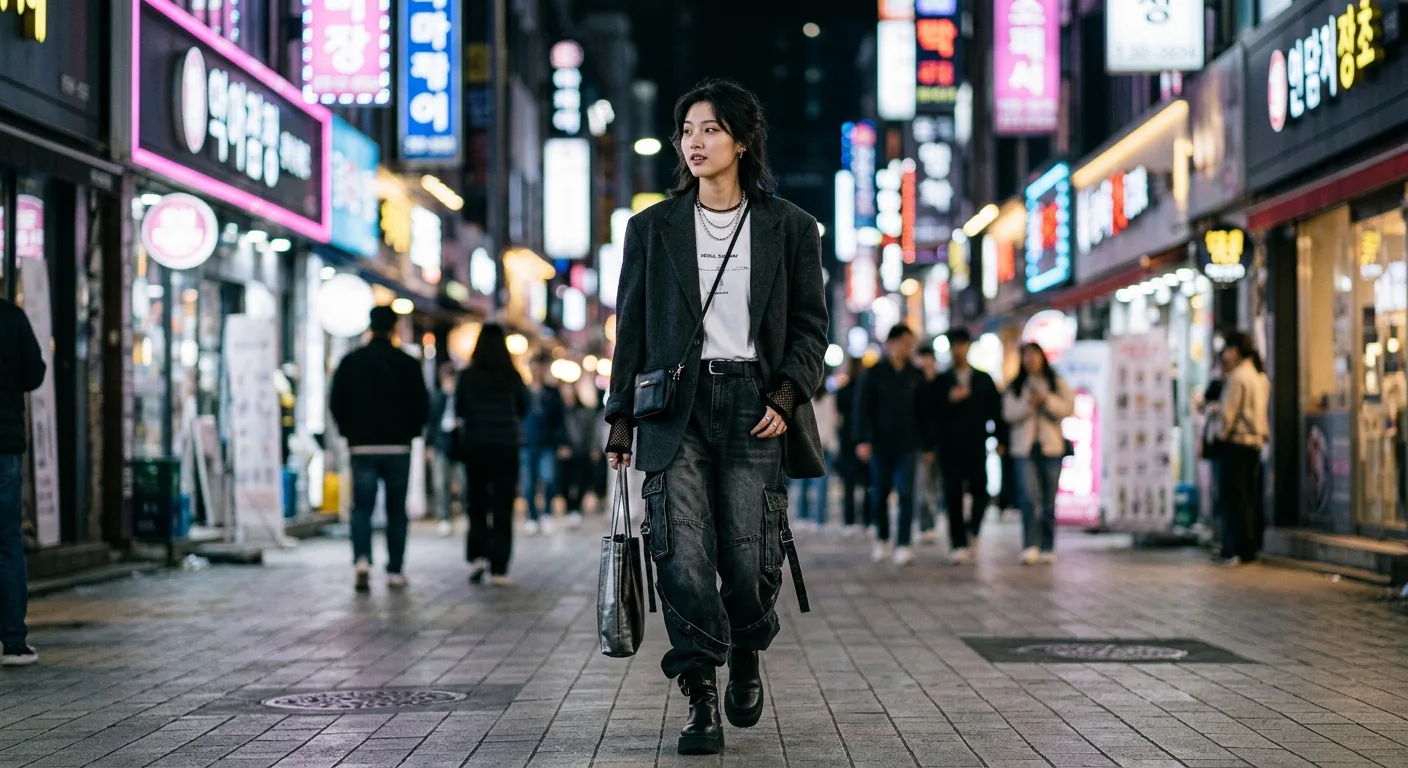
As we look toward the landscape of 2025, Korean fashion continues to redefine the global wardrobe with its unique blend of subversive basics and technical innovation. The bridge between Seoul’s design studios and the global market has never been stronger, driven by a desire for individuality and high-quality construction.
Today, on May 3, 2026, we can reflect on how the shifts in the previous year solidified the “made-to-order” revolution. At StyleMZ, we embrace this evolution by focusing on original Korean designs that prioritize personal expression over mass production, ensuring your look remains ahead of the curve.
The Rise of Hyper-Personalization in 2025
One of the most significant shifts we witnessed in 2025 was the departure from loud, logo-heavy branding toward hyper-personalization. Consumers no longer want to look like walking advertisements; instead, they seek pieces that tell a specific story or reflect an inner state of mind. This trend, often referred to as the “Quiet Narrative,” uses minimalist illustrations and hidden affirmations to create a deeper connection between the wearer and the garment.
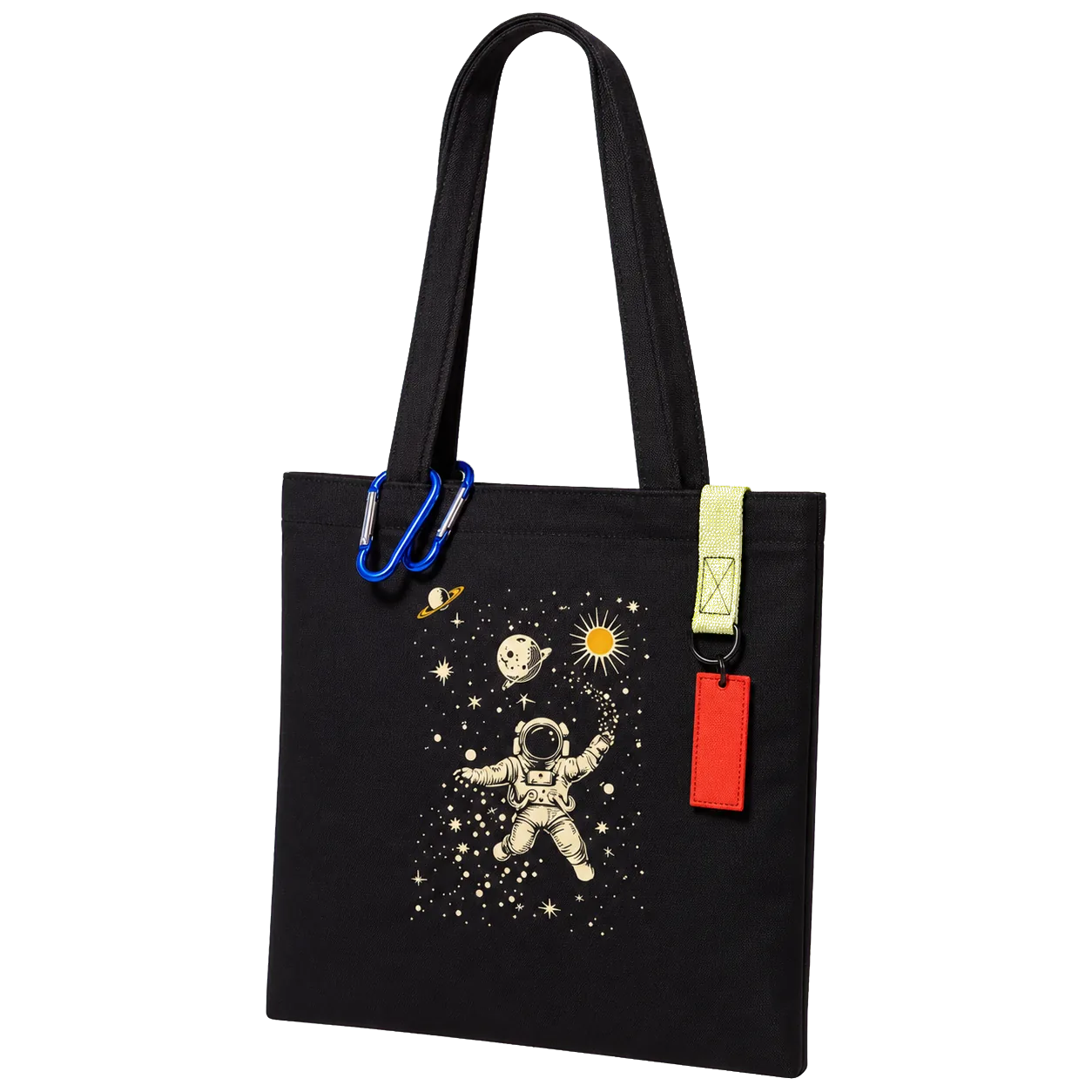
Korean design studios have pioneered this movement by integrating subtle graphics that require a second look to fully appreciate. These designs often feature whimsical motifs—such as forest creatures or celestial patterns—paired with meaningful text. This approach caters to the 36% of consumers who now expect personalized products by default. By choosing print-on-demand originals, shoppers in the new year secured garments that were literally made for them, reducing the carbon footprint associated with traditional mass-market inventory.
Key Elements of the Hyper-Personalization Trend:
- Minimalist Line Art: Fine-line drawings that focus on silhouette and mood rather than detail.
- Affirmative Typography: Subtle messages of self-care and independence woven into the graphic.
- Custom Colorways: A move toward earthy, muted tones like dusty blue, sage green, and charcoal.
Our collection reflects this demand for personal resonance, offering pieces that balance artistic flair with wearable comfort.
The Acubi Aesthetic and Structured Minimalism
The Acubi trend reached its peak in 2025, blending elements of Y2K nostalgia with a refined, structured minimalism. Characterized by bolero tops, wide-leg denim, and asymmetrical silhouettes, Acubi is about finding the perfect balance between “softness and structure.” This aesthetic is particularly popular among those who value a gender-neutral approach to styling, as many of these pieces utilize relaxed fits that flatter any body type.
Achieving the Acubi look requires a focus on layering. It is not enough to simply wear an oversized t-shirt; one must consider the interplay of textures. For example, pairing a soft, high-quality cotton tee with a technical nylon jacket or a heavy-weight hoodie creates the contrast necessary for this style. The shift toward more sustainable, eco-friendly fabrics has also influenced this trend, with many designers opting for organic cotton and recycled blends to satisfy the 60% of consumers who now demand ethical transparency.
How to Layer for the Modern Acubi Look:
- The Base Layer: Start with a premium cotton crewneck that offers a structured yet soft feel against the skin.
- The Mid-Layer: Add a cropped knit or a lightweight, zip-up hoodie to create visual interest.
- The Outer Shell: Finish with an oversized blazer or a technical gorpcore jacket for a functional edge.
This layering technique not only provides versatility for changing seasons but also allows for the expression of complex personal styles through a limited color palette.
Sustainable Streetwear: The Print-on-Demand Revolution
Sustainability is no longer a niche preference; by 2025, it became a market requirement. The global print-on-demand (POD) industry surged to $13 billion as consumers realized the environmental cost of the traditional fashion cycle. By producing only what is ordered, Korean designers have been able to cut down on the massive waste generated by unsold seasonal collections.
This “made-to-order” model allows for a higher level of creative freedom. Designers can experiment with niche concepts—such as vintage-inspired thriller graphics or retro-electronic music themes—without the risk of overproduction. For the consumer, this means access to unique, gallery-quality art on high-performance fabrics. Materials like Airlume combed and ring-spun cotton have become the gold standard for these prints, offering a smooth canvas that ensures vibrant, long-lasting colors.
As we move further into 2026, the emphasis remains on durability. A sustainable garment isn’t just one made from eco-friendly materials; it is one that lasts for years. Double-needle topstitching, pre-shrunk fabrics, and high-density prints are the technical hallmarks of a garment meant to survive the fast-fashion churn. When you invest in a POD piece, you are supporting a decentralized production model that prioritizes quality over quantity.
Retro-Graphic Revival and Cultural Nostalgia
Nostalgia played a major role in the visual language of 2025. We saw a resurgence of 90s club culture, 80s synth-wave aesthetics, and even 70s adventure-style graphics. This “Retro-Graphic Revival” is about more than just looking back; it is about recontextualizing those vintage vibes for a modern, tech-savvy audience. In Korea, this often manifests as a mix of English and Korean typography, creating a bilingual aesthetic that resonates with global shoppers from Los Angeles to Seoul.
These designs often feature high-contrast palettes—think deep blues, vibrant oranges, and striking reds—on dark backdrops. The imagery is frequently cinematic, pulling inspiration from old movie posters, vinyl record sleeves, and classic warning signs. This bold approach to streetwear allows individuals to stand out in a crowded urban environment while maintaining a sense of curated, artistic cool.
Design Elements of the 2025 Retro Revival:
- Bold Typography: Large, impactful fonts that serve as a primary design element.
- Grainy Textures: Using distressed overlays to give new prints a “worn-in” vintage feel.
- Cinematic Themes: Graphics that tell a micro-story, such as a deep-sea encounter or a late-night DJ set.
By wearing these narrative-driven pieces, consumers are able to signal their cultural interests—whether that be electronic music, classic cinema, or the great outdoors.
Technical Outerwear and the Gorpcore Evolution
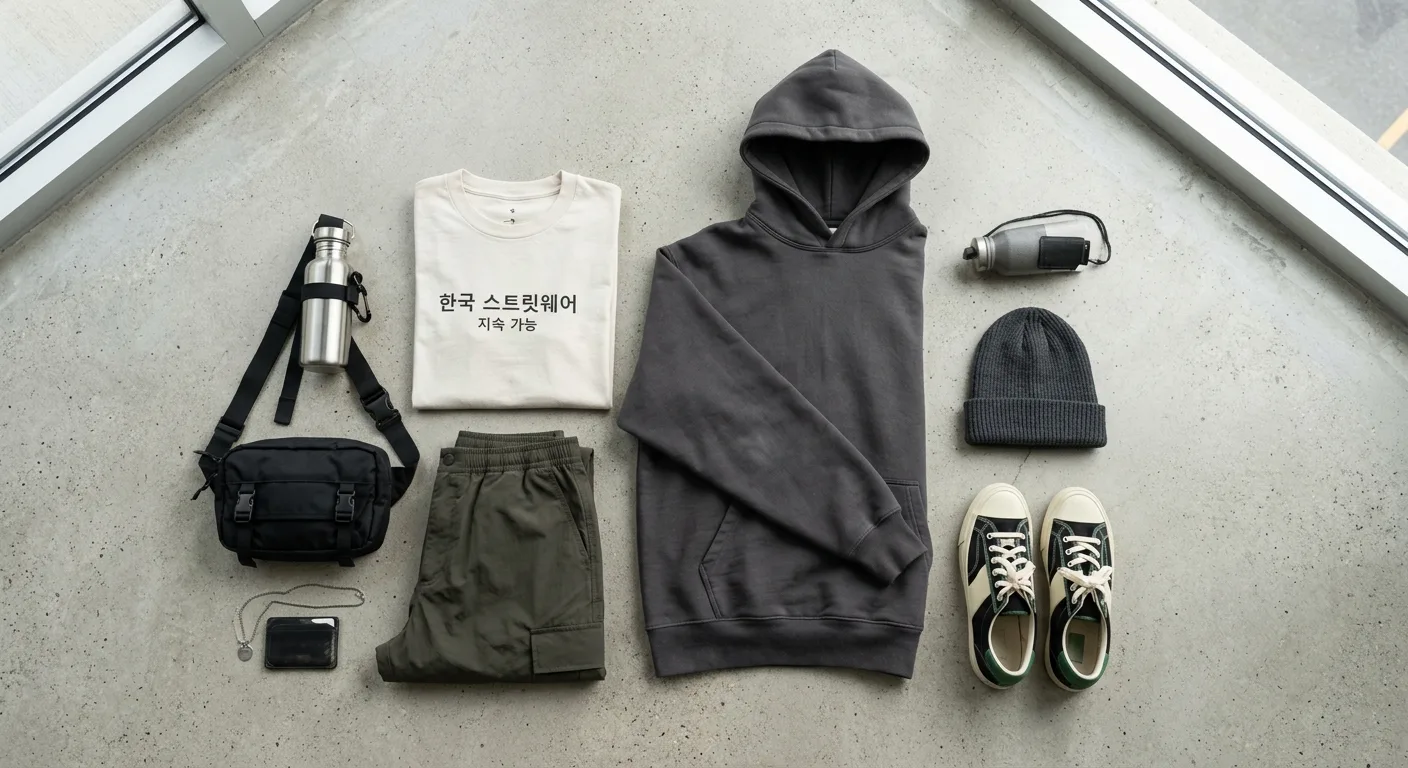
The integration of technical outdoor gear into urban fashion, known as Gorpcore, continued its upward trajectory throughout 2025. However, the 2025 version of this trend was less about extreme mountain climbing and more about “Urban Survivalist” aesthetics. It focuses on garments that are water-resistant, durable, and equipped with functional details like kangaroo pockets, three-panel hoods, and metal grommets, but designed with a clean, minimalist silhouette.
The shift toward unisex sizing has been crucial here. By removing the traditional gendered cuts, designers have focused on the utility and drape of the fabric. Heavy-weight cotton blends and mid-weight fleeces have replaced thin, flimsy materials, providing the structure necessary for a modern streetwear look. These pieces are designed to be worn year-round, serving as a reliable outer layer during the breezy spring months or a cozy mid-layer in the peak of winter.
Sustainability also plays a role in technical wear. Shoppers are increasingly looking for items designed to shrink less and retain their shape over dozens of washes. High-quality construction techniques, such as shoulder-to-shoulder taping and side-seamed tailoring, ensure that the garment doesn’t lose its integrity, making it a staple of a well-curated, functional wardrobe.
Visual Storytelling Through 'Dark Narratives'
While some fashion trends in 2025 focused on soft, floral aesthetics, a parallel movement emerged centered around “Dark Narratives.” This style uses heavy imagery—sharks, deep-sea exploration, and cautionary signs—to create a sense of mystery and edge. It is a form of visual storytelling that appeals to the more adventurous side of the Korean streetwear scene.
These pieces often utilize the back of the t-shirt as a large canvas, allowing for expansive, detailed graphics that leave a lasting impression as you walk away. The use of Korean script alongside English warnings adds an exotic, multi-layered depth to the design. This trend is less about the garment itself and more about the atmosphere it creates. It is for the individual who views fashion as a medium for drama and intensity.
Characteristics of the Dark Narrative Trend:
- High-Contrast Graphics: Stark blacks and whites mixed with primary caution colors like red and yellow.
- Vintage Distressing: Graphics that look as though they were pulled from an old archive or a forgotten film reel.
- Thematic Depth: Concepts like “Danger in the Deep” or “Trust No Signal” that invite curiosity.
Choosing these bold designs is a way to reject the blandness of fast-fashion and embrace a more curated, thoughtful approach to everyday wear.
Shop the collection: Korean graphic tees, Korean long sleeve shirts, Korean sweatshirts, Korean hoodies and Korean tank tops – original graphics designed in Korea, made to order.
Frequently Asked Questions
What were the most influential Korean fashion trends of 2025?
The most influential trends of the year included the Acubi aesthetic, which emphasizes structured minimalism and layering, and the "Quiet Narrative" movement focused on hyper-personalization. We also saw a significant rise in gorpcore-inspired technical wear and retro-graphic revivals that blend vintage nostalgia with modern Korean design elements. These trends collectively prioritize individuality and sustainable, made-to-order production over mass-market retail models.
Why is print-on-demand becoming more popular in Korean designer circles?
Print-on-demand is gaining traction because it aligns with the growing global demand for sustainable and eco-friendly fashion practices. By producing garments only when a customer places an order, design studios can eliminate excess inventory and significantly reduce fabric waste. This model also allows designers to offer a wider range of unique, niche graphics that wouldn't be feasible in a traditional bulk-manufacturing setting, giving consumers more exclusive options.
How can I achieve the Acubi look with sustainable pieces?
To achieve the Acubi look sustainably, focus on high-quality basics made from eco-friendly materials like Airlume combed cotton. Start with a neutral-toned base layer, such as a cropped or relaxed-fit tee, and add structured elements like wide-leg trousers or a technical hoodie. Since the aesthetic relies on a "softness and structure" balance, look for pieces with side-seamed construction and durable finishes that ensure the garment maintains its shape over time.
Are oversized and unisex fits still trending after 2025?
Yes, oversized and unisex fits have become a standard in the Korean fashion industry and show no signs of slowing down. This shift reflects a broader move toward comfortable, inclusive, and versatile clothing that transcends traditional gender boundaries. Retailers have found that relaxed silhouettes and gender-neutral sizing offer better conversion rates and higher customer satisfaction, as they focus on the actual drape and quality of the garment rather than restrictive sizing charts.