 OBJECT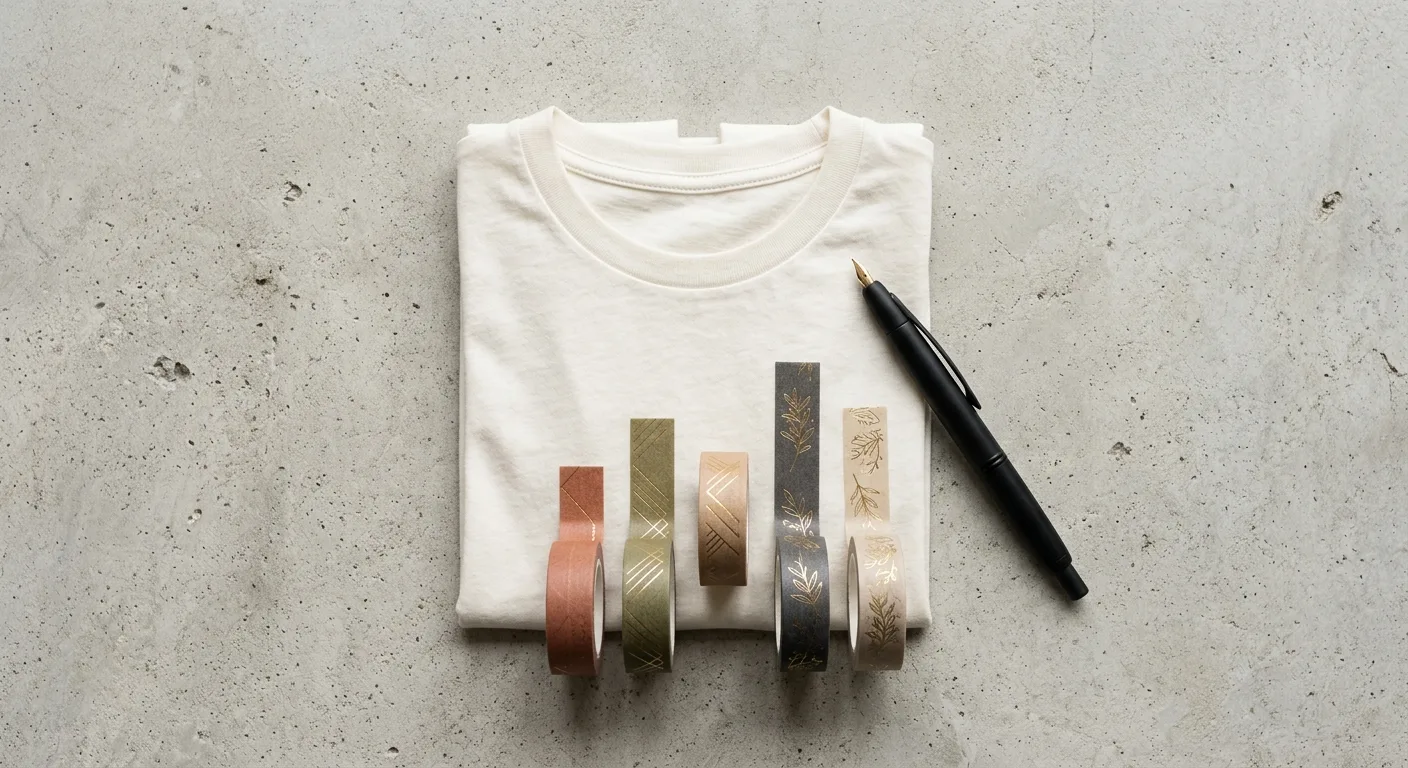
Washi tape has evolved from a simple stationery staple into a global design phenomenon, valued at over $17 billion in 2025. This versatile, low-tack adhesive tape, originally rooted in traditional Japanese papermaking, has become a cornerstone of the modern Korean design aesthetic, offering a unique blend of functionality and artistic expression.
For the fashion-forward individual, this medium represents more than just a tool for journaling. It is a symbol of the “small but certain happiness” found in personalization, allowing creators to bridge the gap between digital perfection and tactile, analog charm. Whether you are an avid planner or a streetwear enthusiast looking for inspiration, understanding the nuances of this decorative paper tape is essential for mastering today’s lifestyle trends.
The Evolution of Washi Tape in Modern Design
The journey of washi tape is a testament to the power of reimagining industrial materials. Historically derived from the fibers of the gampi tree, mitsumata shrub, or mulberry, the texture of authentic paper tape is what sets it apart from standard plastic adhesives. In 2026, the market has seen a significant shift toward sustainability, with nearly 70% of consumers prioritizing eco-friendly options. This has led to the rise of bamboo-fiber tapes and recycled paper variants that maintain the signature translucency while reducing environmental impact [1].
In the realm of Korean design, this material is often used to create a “layered” aesthetic. This involves stacking different widths and opacities to build a sense of depth on a flat surface. Designers in Seoul’s creative hubs, like Seongsu-dong, often use the “torn paper” look to signify a raw, urban energy. This specific visual language has even transitioned into apparel design, where graphics mimic the haphazard yet intentional placement of decorative tape.
Why the Aesthetic Persists
- Repositionable Nature: Unlike permanent stickers, these adhesives allow for mistakes and re-adjustments without damaging the underlying surface.
- Texture and Opacity: The semi-transparent quality of paper-based tape allows colors to bleed through, creating a watercolor effect when layered.
- Compatibility: Most variants are easy to write on with water-based or oil-based markers, making them ideal for organizational systems.
As seen in the “Korea Wave” Premium Unisex Crewneck T-shirt, the visual of torn tape and graffiti-style layering is a powerful motif in contemporary streetwear. It captures the spirit of a DIY culture that values the handmade and the temporary over the mass-produced and permanent.
Material Science: Choosing Between Paper and PET Tape
One of the most frequent points of confusion for newcomers is the difference between traditional paper tape and the newer PET (polyethylene terephthalate) variants. While both are often marketed under the broad umbrella of decorative tape, they serve distinct artistic purposes. PET tape is transparent and often features vibrant, high-definition printing that mimics the look of clear stickers. It is particularly popular for floral and botanical motifs where the user wants the design to appear as if it is painted directly onto the page without a visible border.
However, traditional paper tape remains the leader in the market, accounting for nearly half of all revenue in 2025 [2]. The tactile sensation of tearing paper by hand is a sensory experience that plastic alternatives cannot replicate. Furthermore, the matte finish of paper creates a sophisticated, understated look that aligns with the minimalist Korean design philosophy. When selecting a product, consider whether you want the crisp, sticker-like finish of PET or the organic, textured feel of traditional fiber.
Key Differences to Consider
- Tearability: Paper can be torn by hand; PET usually requires scissors.
- Longevity: PET is more water-resistant and durable for items that are handled frequently, like phone cases.
- Sustainability: Paper is biodegradable, whereas PET is a plastic derivative, though many brands are now exploring recycled PET options.
The Rise of Smart Tapes and Digital Integration
The year 2026 has introduced a fascinating intersection between the analog and the digital. “Smart” washi tape is no longer a niche concept. These tapes integrate discreet QR codes or NFC (Near Field Communication) chips directly into the design. For example, a traveler might use a specific strip of tape in their journal that, when scanned, triggers a curated playlist or a digital photo album from their trip. This digital storytelling trend has grown at a 7.5% CAGR, fueled by a generation that refuses to choose between physical keepsakes and digital convenience.
This trend reflects a broader movement in lifestyle apparel and accessories. We see a similar philosophy in designs that incorporate barcodes and numeric identifiers, bridging the gap between a physical garment and its digital identity. The aesthetic of “data” and “organization” has become a fashion statement in its own right, often referred to as “Logistics-Core” or “Utility-Chic.”
The Seongsu-dong T-shirt exemplifies this by using decorative badges and numeric sequences that mirror the organizational aesthetics found in high-end stationery and urban planning. It treats the garment like a canvas for a collection of memories, much like a well-curated journal page adorned with specialty tapes.
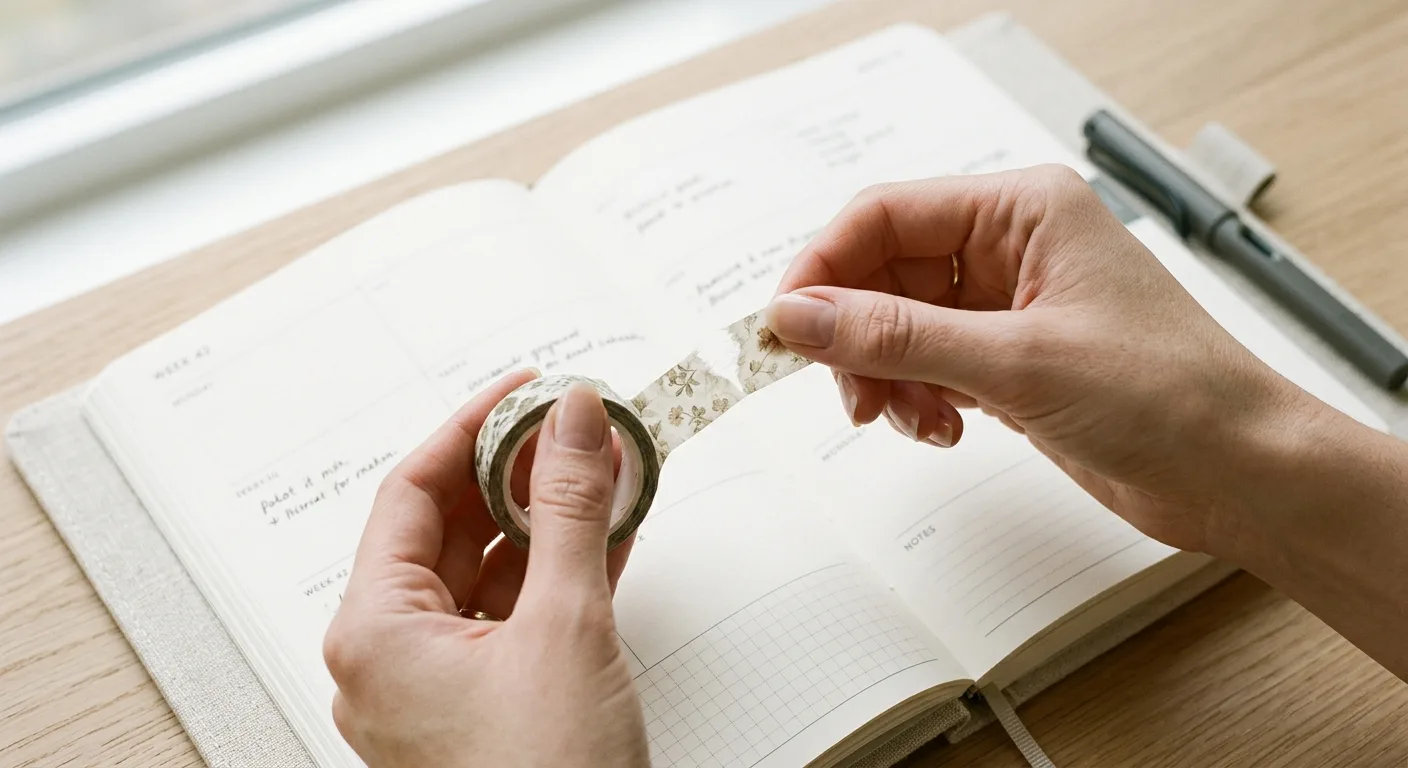
Styling and Upcycling with Decorative Adhesives
Beyond the pages of a notebook, washi tape has found a home in the world of upcycling and temporary fashion accents. Creative individuals are using high-tack decorative tapes to temporarily alter the look of accessories like sunglasses, handbag straps, or even sneaker midsoles. While not permanent, these accents allow for a high degree of customization for events or photoshoots. It is a form of “disposable fashion” that is ironically more sustainable because it encourages the reuse of old items rather than the purchase of new ones.
When using tape on fashion accessories, the technique is everything. To ensure a clean look, always clean the surface with a mild alcohol solution to remove oils. Apply the tape and use a bone folder or a smooth plastic edge to burnish the adhesive, ensuring there are no air bubbles. For a more finished look, a light coat of clear sealant can be applied over the tape, though this makes the modification permanent.
Creative Upcycling Ideas
- Tech Personalization: Wrap charging cables in alternating patterns to distinguish them from others.
- Home Decor: Create geometric wall art that can be peeled off without damaging paint—ideal for rental properties.
- Gift Wrapping: Use the tape as a primary design element rather than just a fastener, creating intricate woven patterns on plain kraft paper.
Design Trends for 2026: From Botanicals to Retro-Futurism
The current design landscape for decorative tapes is split between two major aesthetics: the hyper-organic and the retro-futuristic. On one hand, we see a massive surge in botanical and floral motifs, often featuring gold-foil accents or iridescent finishes. These designs celebrate the “cottagecore” and “nature-glam” movements, providing a soft, romantic touch to any project. On the other hand, there is a growing demand for cosmic and technological themes, often utilizing “stamp-cut” perforated edges that mimic vintage postage from the future.
This duality is a hallmark of contemporary Korean art. It balances the serene beauty of the natural world with the high-octane energy of a technological future. This is why you will often see a minimalist cafe scene placed right next to a graphic depicting space exploration in the same lifestyle collection.
The “Outrun Tomorrow” tee perfectly captures this retro-futuristic trend. Its distressed text and cosmic imagery mirror the “space runner” aesthetics often found in the most popular specialty tape releases of late 2025. This design appeals to the dreamer who looks toward the deep-space frontier while appreciating the nostalgic textures of the past.
Seasonal Peaks and the Culture of Journaling
The demand for washi tape is highly seasonal, with significant spikes occurring in late autumn and early spring. October through December marks the peak season, driven by the global culture of “New Year Setup.” During this time, the community focuses on purchasing 365-day calendar rolls and theme-heavy sets for holiday gift wrapping. May also sees a notable increase in shipments, coinciding with the rise of spring-themed subscription boxes and the preparation for summer travel journals.
Journaling, or “Dak-ggu” (a Korean shorthand for diary decorating), is a massive cultural driver. It is not merely about scheduling; it is a form of meditative art. The use of tape in these journals serves to compartmentalize thoughts and highlight significant moments. By using different patterns to denote different moods or activities, the journal becomes a visual map of the user’s life. This focus on the “journey” and “staying the course” is a recurring theme in both stationery and apparel.
Our “Stay the Course” T-shirt resonates with this journaling philosophy. The layered paper effect in the graphic design mimics the way a traveler might tape a memento into their diary, serving as a reminder to push past the noise and keep moving forward on one’s personal path.
Mastering the Layering Technique
To achieve a professional-looking layout with washi tape, one must master the art of the “cluster.” A cluster is a grouping of different elements—tape, stickers, and stamps—that creates a focal point. Start with a wide, neutral-patterned tape as your base. Layer a thinner, more vibrant tape over it at a slight angle. Finally, add a focal point, such as a die-cut sticker or a handwritten note. This creates a sense of intentionality and sophistication.
Common mistakes include using too many competing patterns or failing to vary the widths of the tapes used. A good rule of thumb is the “Rule of Three”: use one solid or minimal pattern, one geometric or floral pattern, and one accent tape (like a foil or a very thin “slim” tape). This balance ensures the design is interesting without becoming chaotic. This same principle applies to fashion: a bold statement piece should be balanced by neutral staples to create a cohesive look.
The “I am small and sensitive” tee uses a similar clustering technique in its design. By surrounding the central character with a chaotic yet balanced array of symbols and text banners, it creates a visual story that feels curated and expressive, much like a masterfully decorated planner page.
Frequently Asked Questions
Is washi tape permanent or will it fall off over time?
Washi tape is specifically designed with a low-tack adhesive, meaning it is not intended to be permanent. While it can stay in place for years in a protected environment like a journal, it is easily removable and repositionable without leaving a sticky residue or damaging the paper. If you need it to stay on a high-touch surface permanently, you may need to apply a clear sealant over it.
Can you write on all types of washi tape?
Most traditional paper-based tapes are very easy to write on with standard pens, pencils, and markers. However, specialty tapes like those with gold foil, glitter, or PET (plastic) finishes may require a permanent marker or a specific non-smudge pen. Always test a small corner of the tape with your preferred pen to ensure the ink dries properly and doesn't bead up.
What is the difference between washi tape and PET tape?
The main difference lies in the material and transparency. Washi is made from natural fibers and is semi-translucent with a matte, paper-like texture. PET tape is made from clear plastic, offering full transparency around the printed design which makes it look like a seamless part of the surface. PET is generally more durable and water-resistant, but it cannot be torn by hand like paper tape can.
How should I store my tape collection to prevent the adhesive from drying out?
To maintain the quality of your tapes, store them in a cool, dry place away from direct sunlight, which can cause the colors to fade and the adhesive to degrade. Many collectors use acrylic drawers or specialized wooden rods to keep their rolls organized. Avoid storing them in humid environments like bathrooms, as the moisture can affect the paper fibers and cause the edges to lift.
Is washi tape environmentally friendly?
Generally, yes, especially compared to plastic-based tapes. Since the base is made from natural plant fibers, it is biodegradable and renewable. However, the sustainability of the adhesive and the inks used can vary by manufacturer. In 2026, many leading brands have moved toward water-based adhesives and soy-based inks to further reduce their environmental footprint.