 OBJECT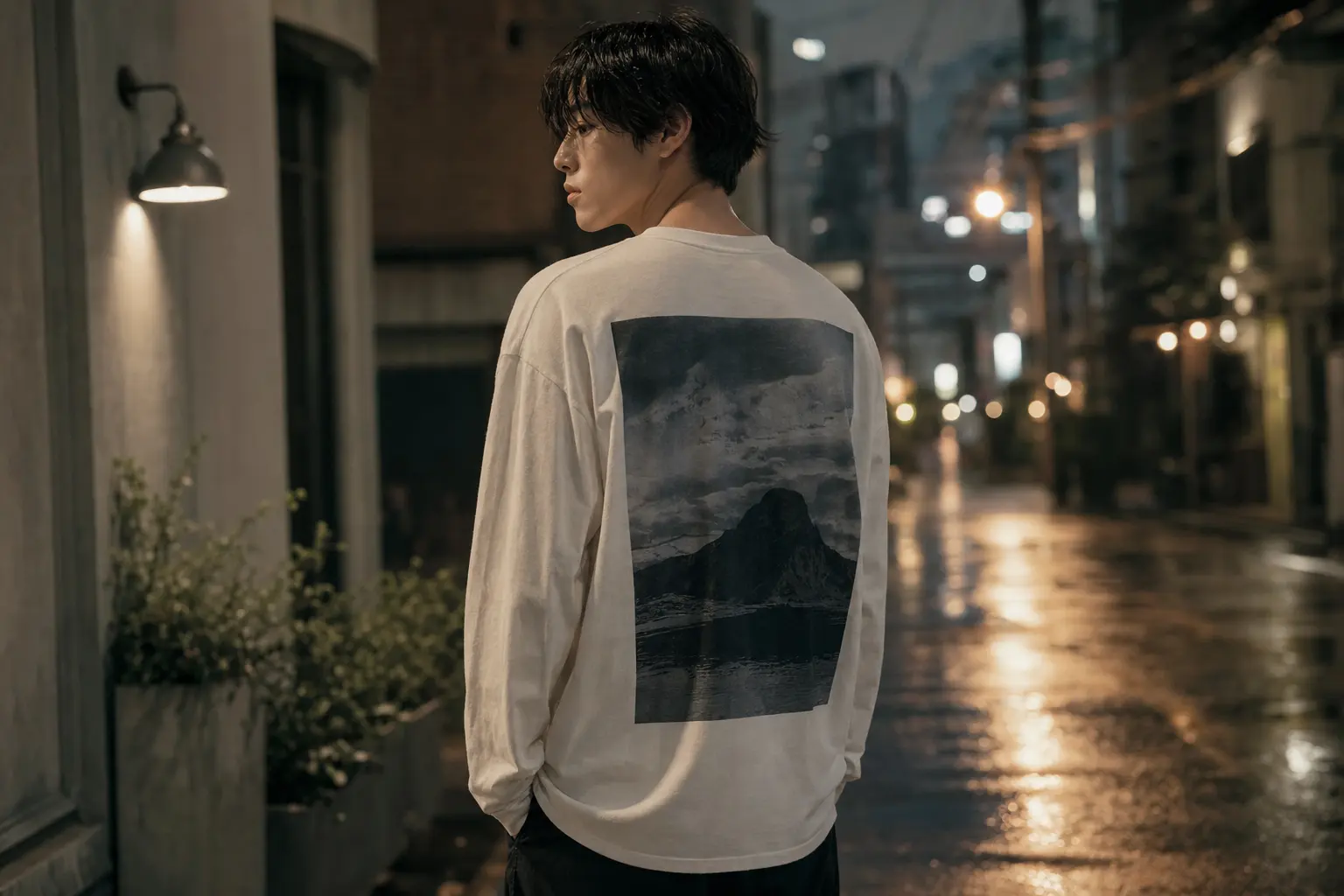
Fall long sleeve graphic shirts are the single best seasonal swap to update a streetwear rotation: they give you graphic impact with practical warmth, and Seoul designers are making the prints larger and more cinematic than ever. Use the right fabric, print method, and sizing and a longsleeve becomes a year-round anchor.
This article explains what to look for when you buy — from fabric weight and DTG versus sublimation to Korean fit cues — and recommends StyleMZ pieces that fit those criteria. Expect clear rules, production notes for print‑on‑demand items, and styling advice that actually works on the streets of Seoul.
Why fall long sleeve graphic shirts matter in Seoul streetwear
Seoul streetwear has shifted in the past two seasons toward bold back panels, oversized silhouettes, and seasonally heavier blanks — changes that make the long sleeve graphic shirt the logical autumn hero piece. Designers are using long sleeves as a larger canvas: back-centered graphics, sleeve prints, and concert-poster scales that read under coats or layered over hoodies. This aesthetic is visible across Seoul’s independent labels and marketplace drops, and you can lean on that same logic whether you shop in Seoul or online.
Silhouette matters. The current Seoul language favors dropped shoulders and a roomy torso so graphics sit and breathe, not cling. That’s why premium unisex cuts and classic fits remain staples — they let a large back print anchor an outfit without the crowding you get from a slim tee. If you prefer a neater look, a 100% combed ring‑spun cotton long sleeve in a classic fit gives clean lines and sharp print reproduction on the chest and back.
What Seoul wears and how it translates
Expect three practical attributes in fabric and design during autumn releases: midweight to mid‑heavy garments (for structure and warmth), large-format print placements (backs and sleeves), and colorways that read well against urban textures — deep blacks, True Royal, maroon, and stormy grays. These choices keep the graphic readable in low light and work under outerwear without bulk.
- Seasonal fabrics trend to 180–220 g/m² for a good balance of warmth and drape [4].
- Large back graphics are the visual language of Seoul’s street drop pieces; they layer better than all-over bulky prints.
- Premium unisex cuts let you size up for an intentionally oversized look or choose a true-to-measure size for a cleaner silhouette.
Want local context? Read more about how Seoul shapes graphic tee trends in our longform piece on what Seoul actually wears: Seoul Streetwear Graphic Tees: What Seoul Actually Wears. That article covers street-level styling cues and runway echoes that help you decide whether to go oversized or classic.
Production note: designers who print on demand generally create prints sized for larger front/back areas now; check the product’s print placement spec before you assume a graphic will be small or chest‑only. The next sections explain how those specs interact with fabric and print method.
Fabric, print method, and why they matter for autumn
Choosing the right fabric and print method is where functional clothing meets graphic clarity. For autumn, you want a blank that keeps its shape across layering and reproduces artwork sharply. In POD ecosystems, DTG (direct-to-garment) remains the best fit for natural fibers like 100% ring-spun cotton, while sublimation/AOP is preferred for polyester all-over prints because dyes bond into synthetic fibres [3]. DTF and screen print variations are also widely used for enhanced durability and different hand feels [3].
Fabric weight and composition are the immediate indicators of performance. Midweight cottons — roughly 180–220 g/m² — hold structure, print well, and layer without becoming too bulky; lightweight long sleeves can work as underlayers but won’t keep the graphic crisp under outerwear [4]. If you prefer drapey, lived-in silhouettes, tri-blends (poly/cotton/rayon) give softer hand and better fall. If you need maximum durability for high-contrast prints on dark shirts, look for blanks described as ring-spun or combed cotton — they accept DTG inks more evenly [3].
File prep and print area realities
Print houses and POD platforms commonly request print files at ~300 DPI sized to the actual print area; common DTG platen sizes are in the 12″×16″ to 15″×18″ range, though enterprise systems will allow much larger formats [1][2]. That matters because back-panel graphics or full chest pieces may require much larger PNGs or layered PDFs than a small chest logo. Always export in RGB (platforms convert to RIP profiles) and check the product creator for exact safe and bleed areas per size [1][6].
| Product | Fabric | Print placement | Best autumn use |
|---|---|---|---|
| Beyond trends – woman (271427) | 100% combed ring‑spun cotton | Back panel graphic | Classic fit layering, crisp DTG print |
| Bungeoppang zone (288001) | Long-sleeve knit (retail long sleeve) | Front vintage poster-style chest | Retro daytime layering; visible under coats |
| Urban edition (284598) | Premium long sleeve (retail knit) | Front center chest graphic | Streetwear statement; dries quickly after wash |
Finally, choose print methods for the effect you want: screen or discharge prints give a vintage hand and long life; DTG reproduces photographic detail on cotton but needs pretreatment on dark garments; sublimation makes edge-to-edge color on polyester. Producers typically list recommended care instructions — follow them for longevity.
Fit, sizing, and how Korean sizing differs
Fit and sizing determine whether a graphic read as deliberate or accidental. Korean sizing and cuts tend to run more compact in tailored items and more oversized in streetwear — numeric labels in Korea (like 44/55/66 for women, or 95/100/105 for men) aren’t one-to-one with US S/M/L. That’s why checking flat garment measurements in centimeters is the only reliable method when you shop internationally; a brand’s size chart is the source of truth [8].
Two silhouette approaches dominate this season: classic-fit long sleeves and intentionally oversized drops. Classic-fit shirts sit closer to the body, which keeps graphic placement predictable and works when you want the print to read neatly under an unstructured jacket. Oversized or boxy long sleeves create a streetwear canvas; a large back panel or chest graphic looks cinematic and pairs with heavier outerwear. For autumn, many Koreans choose one size up from their regular size to capture that relaxed K-streetwear attitude.
How to size: practical steps
- Measure a long sleeve you own across the chest and shoulder seam to seam; compare those flat measurements to the product listing. Numeric sizes mean little without centimeters.
- If you prefer an oversized look, add 5–10 cm to the chest measurement; for a fitted look, pick the size matching your flat garment measurement.
- For back-panel graphics, check torso length; some POD long sleeves place art lower or higher depending on size, so compare the model photos to the size chart.
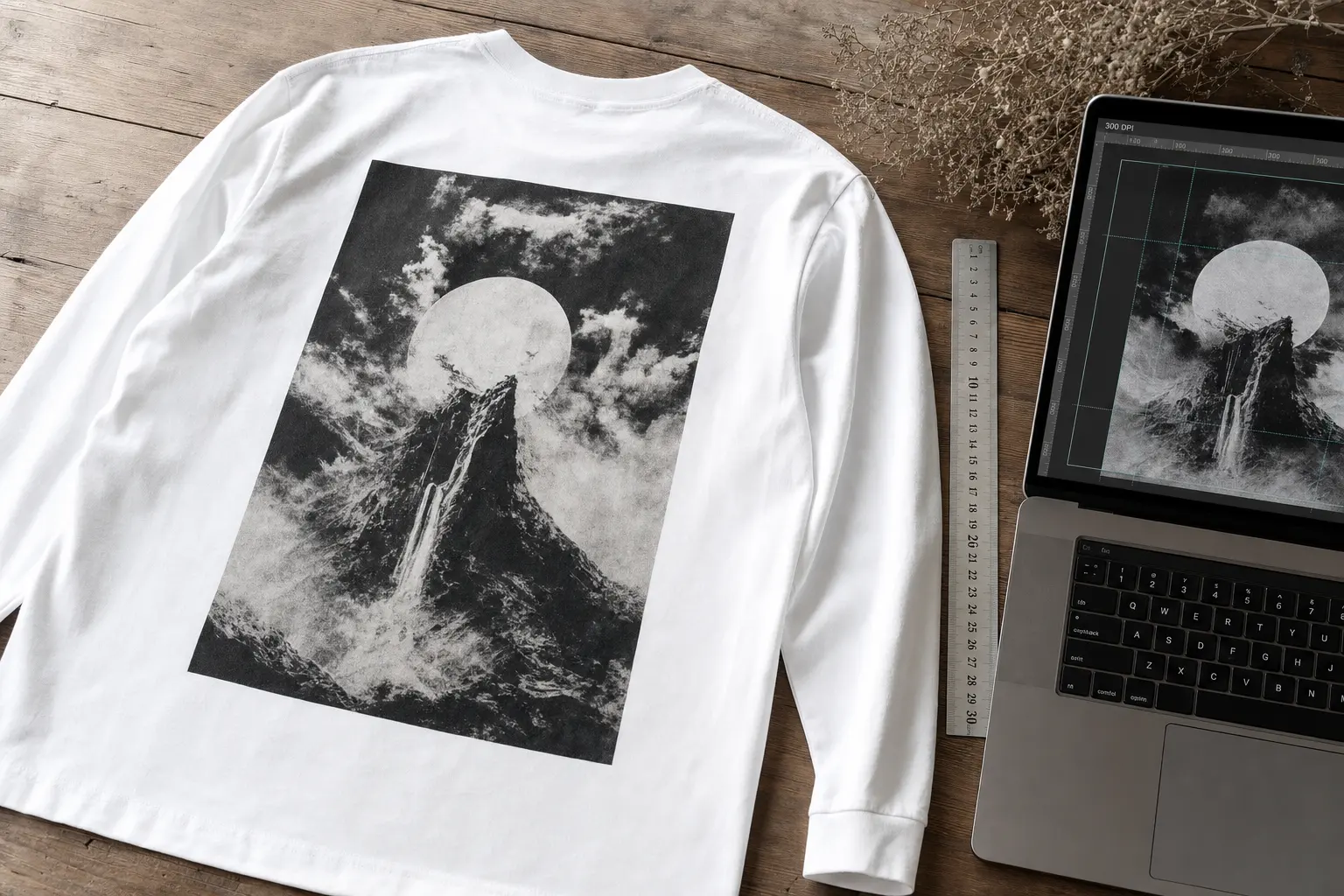
Why this matters: an oversized drop improves layering and streetwear presence, but if you’re after crisp graphic edges and a neat sleeve length that won’t bunch under a coat, choose the classic fit. Product construction also affects this: the “Beyond trends – woman” long sleeve is made from 100% combed ring‑spun cotton and described as a soft, classic-fit piece — the material and cut make it a good option for buyers who want print clarity with a refined silhouette.
Use the listing’s flat measurements and customer notes where available. If those are absent, reach for products with clearly stated fabric and sizing attributes — they’re less likely to surprise you after shipping. For the StyleMZ longsleeve that matches classic-fit needs, consider this choice for reliable sizing and material.
Recommended product for classic fits: The fabric and construction of the piece below make it a safe pick if you prefer a neat, wearable cut.
It suits readers who want a refined, artful back-panel graphic on a genuine cotton blank and prefer a reliable classic fit that layers without bulk.
Graphic scale and placement: making prints work on the street
Graphic scale changes how a long sleeve functions in an outfit. A small chest emblem reads subtle; a large back panel reads as the focal point and can carry an entire outfit. Seoul’s designers favor large-scale back graphics and dramatic visual motifs that stay visible from a distance — that’s why many autumn drops use deep color contrast and gold or white accents to keep prints legible in low light.
Print placement decisions also affect layering. A back-centered graphic works best with a roomy upper back and dropped shoulder — the art doesn’t wrinkle or disappear under a narrow coat. Chest-centered prints are more versatile under jackets and knitwear; sleeve prints read well on cropped outerwear and add visible detail when you move. If you plan to wear a long sleeve as a mid-layer under a coat, prioritize chest prints or smaller back prints that don’t get lost against outerwear textures.
Production realities for large prints
On the production side, POD platforms offer limited platen sizes on consumer DTG machines (typical platens span 12″×16″ to 15″×18″) which restricts how large a single print can be unless the provider uses larger enterprise printers [2]. That’s important: a dramatic back panel on a long sleeve often requires either a provider that supports larger platens or a print split approach. If you see a bold back piece in the product photos, the listing should state the print dimensions or indicate the use of enterprise-level printing.
- Large back graphics: choose midweight blanks so the print lays flat and keeps shape.
- Sleeve prints: watch for seam interruptions — some placements are size‑dependent and may shift between S and 3XL.
- Edge-to-edge prints: require AOP templates and usually polyester blanks (sublimation) — these are less common on cotton long sleeves.
Example in the catalogue: the “Beyond trends” Premium Unisex Longsleeve T-shirt (ID 271383) uses a dramatic back-panel graphic with traditional mask iconography rendered in high-contrast gold, black, red and white — a textbook Seoul‑style back print that reads well in autumn streetlight. If you want that scale of print, look for explicit back-panel artwork descriptions and color options; product photography will often show how the print sits across sizes.
Common mistakes: buying a graphic long sleeve without checking the print’s scale or the provider’s max platen size. Always confirm whether the back graphic is truly a single-piece back print or assembled from smaller panels — the latter can alter the look and produce seams through the design.
Layering and styling: autumn outfit recipes that actually work
Long sleeve graphic shirts are a layering pivot. They can be outerwear in mild fall, a mid-layer under a heavier jacket, or a visible accent beneath an open shirt. The key to styling is weight and proportion: midweight long sleeves (180–220 g/m²) keep the shape so a graphic sits cleanly under a coat without adding bulk, while lighter shirts are better for underlayers or spring/autumn transitions [4].
Here are three simple autumn outfits that make the graphic the star while staying streetwise.
Outfit one — clean city daytime
- Long sleeve with front or mid-scale chest graphic
- Layer over a thin turtleneck if temperatures drop
- Keep bottoms simple — a neutral, fitted lower keeps the attention on the print
Outfit two — Seoul street drop
- Oversized long sleeve with a large back panel
- Wear over a hooded sweatshirt for contrast in length and texture
- Finish with chunky sneakers; let the long sleeve peek under the hoodie for a layered graphic feel
Outfit three — retro market day
Select a vintage-poster style front graphic and let it read under a mid-length coat or cardigan. The “Bungeoppang zone” Premium Unisex Longsleeve T-shirt is built for this look — its vintage-inspired front illustration of a bungeoppang cart reads immediately as casual nostalgia, which pairs especially well with daytime markets and layered knits. Its clean back and poster aesthetic keep the outfit from feeling overworked; the piece sits comfortably as a daytime statement and layers under a jacket without crowding the chest area.
Why this piece works: the front-centric art is visible when you’re moving through crowded streets, and the long-sleeve knit is designed for wearable, retro-poster styling that performs in mild cold.
Practical Seoul styling tip: carry a canvas tote or small shoulder bag for daytime — a clean tote complements a bold long sleeve without competing. If you want shopping pointers, see our notes on Korean canvas styling for ways Koreans pair modest accessories with statement garments (Korean Tote Bag Styling: How to Wear Canvas the Seoul Way).
Print care, longevity, and common mistakes to avoid
How you wash and treat a printed long sleeve will determine whether your graphic looks new after ten washes or starts cracking. The general care playbook for printed shirts still holds: wash inside‑out in cold water on a gentle cycle, avoid bleach, and tumble low or air-dry to protect inks and the garment. For screen prints and plastisol, curing and correct heat setting at production time strongly influence longevity, so check the seller’s cure notes when available [7].
Different print methods require different first-wash handling. DTG-printed cottons often undergo a curing process at the print house; follow the product-specific first-wash instructions because under-cured inks can soften with early washing. Dark garments printed by DTG typically use a white underbase pretreatment — that layer can feel slightly stiffer until softened by a few wash cycles. Sublimation on polyester bonds dye into fibres and resists cracking but needs polyester blanks for the effect to work [3].
Simple care checklist
- Wash inside‑out, cold, gentle cycle.
- Use mild detergent; avoid bleach and fabric softeners on prints.
- Air‑dry or tumble low; iron on reverse and never iron directly on a print.
- For dark DTG pieces, expect a slight underbase hand — this softens after a few washes if cured properly.
Common mistakes: using hot water, aggressive detergents, or high tumble‑dry heat. These accelerate print fade and increase the risk of cracking, especially with plastisol or lower-quality DTF prints. Always consult the listing’s care label and the POD provider’s guidance when buying made-to-order pieces.
When you buy POD garments, look for production notes about pretreatment and curing. Many producers include a care leaflet with the garment; if not, the standard care steps above work for most print types. If you plan to resell or print your own art on a blank, request sample swatches and a print test to verify cure settings and hand before committing to larger runs.
If longer print life is a priority, choose screen or high-quality DTF prints on heavier cotton blanks, and follow the care checklist strictly. Those combinations minimize cracking while keeping the graphic hand natural.
How to shop POD long sleeve graphic shirts: checklists and red flags
Shopping print-on-demand long sleeves requires a different checklist than buying mass-produced basics. POD gives designers flexibility, but that flexibility means specifics are everything: file resolution, print area, blank composition and certification, and explicit sizing maps. Start every purchase by checking the product creator or listing for these essentials.
Essential pre-purchase checklist
- Print-ready file guidance: confirm the provider requests ~300 DPI art sized to the actual print area (this is standard across many POD platforms) [1].
- Print area dimensions: check the maximum platen size or AOP template — many DTG devices use platens in the 12″×16″–15″×18″ range, and enterprise options expand that significantly [2].
- Safe and bleed areas: POD creators publish size-by-size safe zones; confirm the artwork won’t be clipped or shifted on larger sizes [6].
- Blank specs: verify fiber content and GSM — for fall, midweight cotton or ring-spun blanks are preferable [3][4].
- Sustainability claims: if a seller lists OEKO-TEX or GOTS credentials, request certified documentation because new OEKO-TEX regulations took effect in mid-2026 and require updated labeling standards [5].
Red flags to avoid: listings that lack flat garment measurements, vague print placement descriptions (e.g., “graphic artwork” without dimensions), or unlabeled blanks that only say “premium fabric” without fiber content. Also be cautious when a piece claims specialty certification without providing documentation: GOTS Version 8.0 and OEKO‑TEX updates changed labeling language and compliance processes in 2026, so sellers should be prepared with verifiable certificates [5].
Practical buying strategy: if the listing features a dramatic back panel or sleeve print, inspect the product photos across sizes and ask the seller how prints are positioned on each size. POD safe areas can vary by size and provider; platform creators often provide downloadable templates so you can preview final placement before you commit [6].
Finally, think about production time and returns. Made-to-order items reduce waste but may take longer to ship. Check the return policy for print defects — reputable POD sellers typically accept returns for misprints or production errors but not for buyer-fit changes. For curated options from StyleMZ, visit our Long Sleeve Shirts category for verified listings and curated drops: Long Sleeve Shirts.
Best StyleMZ long sleeve graphic shirts to buy this fall
After walking through fabric, print, fit and care, here are StyleMZ pieces that match the season’s needs: one classic-fit art piece, one cozy street-sensible option, and one bold statement tee. Each choice was selected for material, print placement, and seasonal versatility — the three factors that matter most for autumn wear.
Pick #1 — Artful classic: “Beyond trends – woman” (ID 271427). This premium unisex long sleeve is 100% combed ring‑spun cotton with an artful back-panel graphic and a classic fit that layers neatly. It’s a strong option when you want a crisp print on a cotton blank that wears cleanly under an unstructured coat.
Pick #2 — Nostalgic daywear: “Bungeoppang zone” (ID 288001). The vintage poster-style front graphic reads immediately as Seoul street nostalgia and the long-sleeve knit keeps the piece cozy as a midday layer. The clean back and wearable print scale make it ideal for daytime layering and market runs — it’s a dependable, visible piece for fall.
Pick #3 — Statement piece: “The Suffering of Jesus” (ID 292863). This premium unisex long sleeve offers contemplative, bold artwork with celestial motifs and gold-accented text. It works best as an evening or drop-piece when you want drama and conversation in low light.
Why these picks: they cover the most common fall needs — a reliable cotton classic, a retro daytime option, and a dramatic statement long sleeve. Each is printed on demand near you, reducing shipping waste and allowing made-to-order sizing. For shoppers who prefer the most-viewed drops and current street picks, browse our Most Viewed category to see what’s resonating now: Most Viewed.
Recommended purchase order: if you’re building a seasonal rotation, start with a midweight classic (like the “Beyond trends – woman”), add a nostalgic front-graphic for daytime (“Bungeoppang zone”), and finish with a bold evening piece (“The Suffering of Jesus”).
This final pick fits readers who want a contemplative, standout look for night events and creative drop moments. The artwork’s scale and gold accents read well in dim light and pair with the season’s heavier textures.
Here’s the final curated recommendation if you want a drama-first long sleeve for autumn.
It suits readers aiming for conversation-starting pieces and layered streetwear outfits.
Shop the collection: Korean graphic tees, Korean long sleeve shirts, Korean sweatshirts, Korean hoodies and Korean tank tops – original graphics designed in Korea, made to order.
Frequently Asked Questions
How should I size fall long sleeve graphic shirts when buying from Korean labels?
Always check the flat garment measurements in centimeters rather than relying on letter or numeric sizes. Korean numeric sizes (44/55/66 or 95/100/105) can vary across brands, so compare chest width and torso length to a long sleeve you already own. If you want an oversized look, add roughly 5–10 cm to chest measurements; for a clean, classic fit, match the garment-to-garment measurement exactly [8].
Which fabric hides print cracking best for a long sleeve graphic shirt?
Heavier ring‑spun cotton blanks with screen or high-quality DTF prints typically resist cracking better than thin knits, because the fabric supports the print. Sublimation avoids cracking because the dye becomes part of the polyester fibre, but it requires polyester blanks and a different hand feel. Proper washing and curing matter just as much as fabric choice for longevity [3].
How large can a back graphic be on a POD long sleeve?
Typical consumer DTG platens cover about 12"×16" to 15"×18", which sets a practical upper limit for single-piece back prints on many providers; enterprise printers allow much larger areas. Always confirm the provider’s maximum print dimensions and check whether the back print is produced on a single large platen or assembled from smaller panels [2].
What are the essential care steps to preserve a printed long sleeve?
Wash the garment inside-out in cold water on a gentle cycle, avoid bleach and harsh solvents, and air-dry or tumble at low heat. Iron on the reverse side and never iron directly on a print. These steps help preserve ink adhesion and reduce cracking or fading, and they apply broadly across DTG, screen, and DTF prints [7].
Can I trust sustainability claims on POD product listings?
Verify certification documents. OEKO‑TEX and GOTS updated standards and labeling in 2026, so sellers should be able to provide current certificates. If a listing claims GOTS, OEKO‑TEX, or recycled content without documentation, request proof before assuming the credential is legitimate [5].