 OBJECT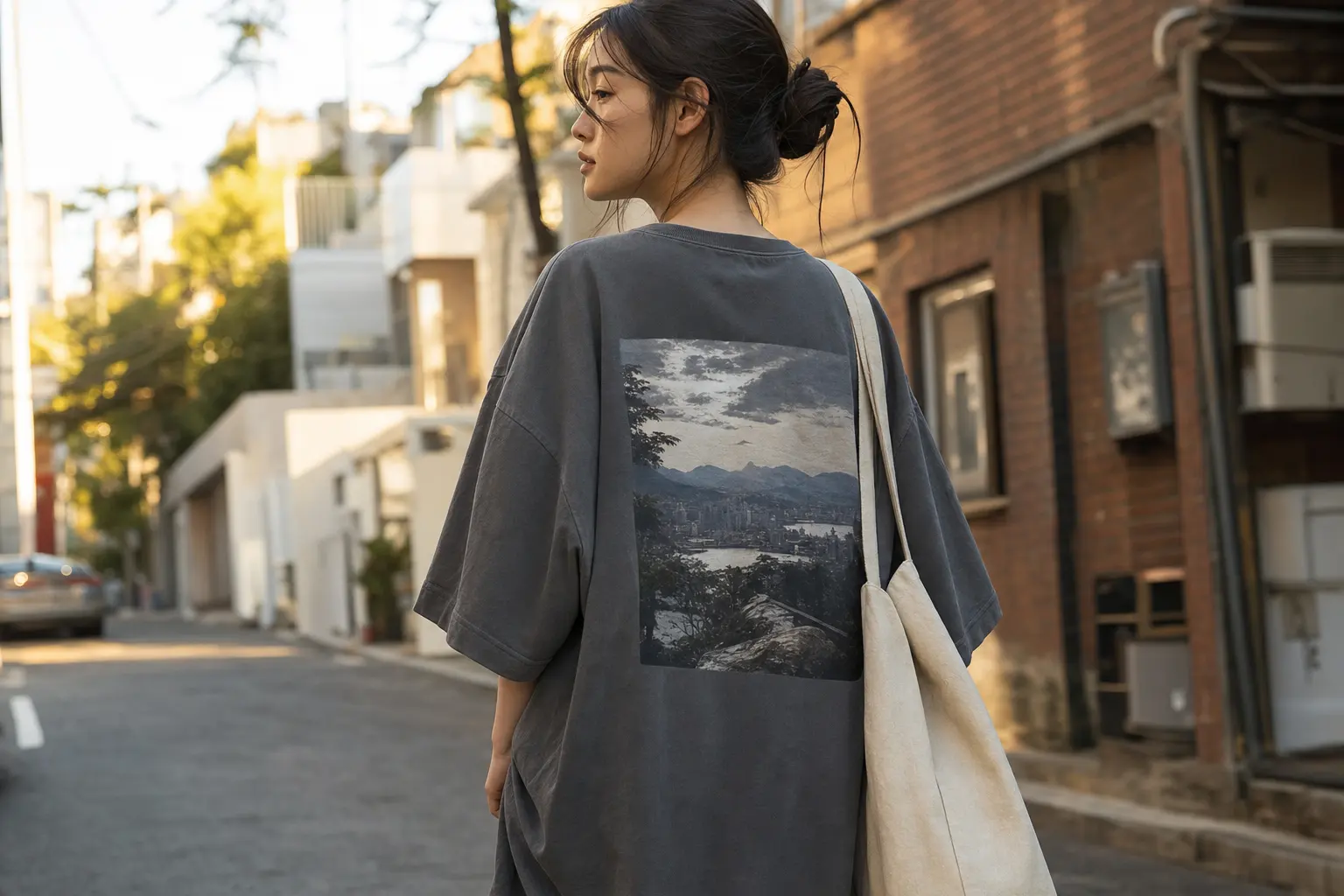
Seoul streetwear graphic tees arrive as much from fit and blank choice as they do from the artwork — oversized, dropped-shoulder silhouettes printed on midweight and heavyweight cotton are the city’s default. This article explains what to look for in blanks and prints, how Seoul’s drop culture times releases, and exactly how to wash and style these shirts so the graphic keeps its original edge.
If you want to shop with confidence, the picks we recommend are printed on the same blanks and using the same on-demand methods popular in Seoul’s micro-brands — every recommendation here ties directly to a StyleMZ product and the production notes you should expect when ordering made-to-order graphic tees.
The Seoul streetwear silhouette: why fit matters more than a logo
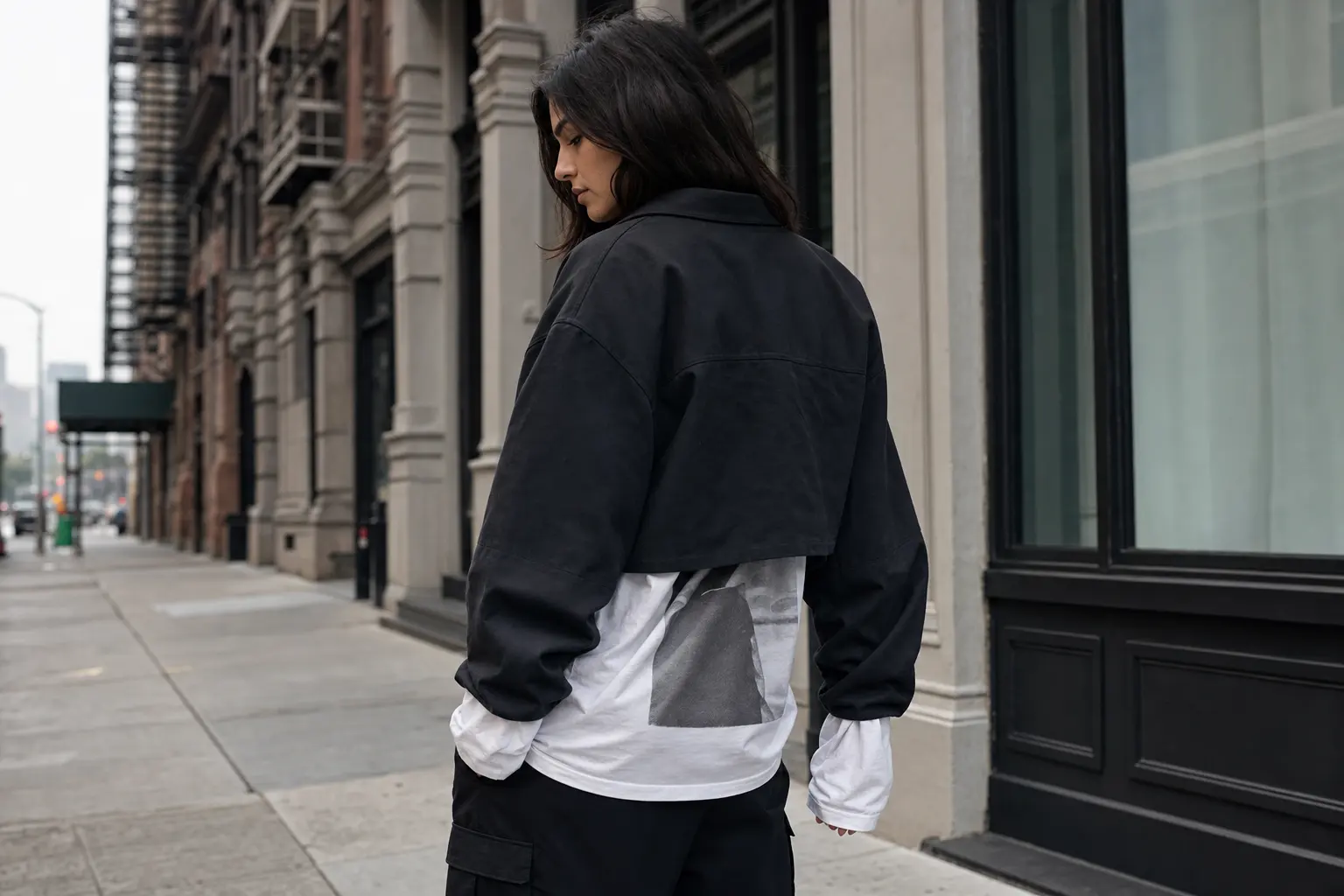
Two details define how Seoul actually wears graphic tees: volume and shoulder line. The oversized silhouette — longer torso, dropped shoulders, and a roomy sleeve — reads less like a branded billboard and more like a thoughtfully proportioned layer. That look works because it interacts with outerwear and accessories: a mid-thigh length tee peeking out from an open zip-up, a long-sleeve worn under short-sleeve tee, or a tee intentionally tucked one side. Musinsa-driven street cycles and recent mid‑year collaborations pushed oversize back into the mainstream in 2025–2026, and that’s the silhouette you see across Seoul’s subway platforms and side streets [6].
Fit also dictates how a print reads. On an oversized tee a small chest print feels delicate; a large back graphic dominates and becomes the outfit’s anchor. When you pick a graphic, think about placement relative to the shoulder seam. A graphic that sits high on a retail-cut tee will sit differently on a dropped-shoulder oversized cut — the same artwork can feel off-balance if you don’t match it to the blank.
How to choose the right silhouette for your look
- If you layer under coats or overshirts, choose a slightly longer length and avoid tight sleeves.
- If you want a clean retail fit for shirts that look crisp when tucked, choose a Bella+Canvas retail cut.
- For a streetwear package that survives rougher wear and brighter prints, a heavyweight blank helps maintain shape.
In Seoul you’ll see the oversized tee used year-round: lightweight 140–160 GSM cottons in summer, and 180–220 GSM or long-sleeve versions for cooler months. Seasonality is predictable: summer drops use lighter cotton; late-year collaboration drops favor midweight or heavyweight blanks timed around Seoul Fashion Week and Musinsa sale cycles [6]. For more on what the 2026 runways are pushing, read the coverage of seasonal trends in Seoul Fashion Week: Seoul Fashion Week Trends: What 2026 Runways Are Selling Right Now.
Blanks and print tech: choosing between Bella+Canvas, Gildan, and midweight options
Blank choice is the single easiest lever to change how a graphic tee performs and feels. If you want a soft, retail hand with modern drape, the Bella+Canvas 3001 is the go-to; for heavy, shape-retaining garments that take bold, distressed prints well, the Gildan 5000 is still the practical choice. Midweight cotton options (roughly 150–180 GSM) sit between these two in hand and longevity. Which to pick depends on design, print method, and the wear you expect.
Below is a concise comparison that designers and shoppers use to match design to blank quickly. It focuses on weight, hand, best print methods, and what to expect in age and wash performance.
| Blank | GSM / Weight | Hand & Fit | Best Print Methods | Wear Notes |
|---|---|---|---|---|
| Bella+Canvas 3001 | ~142 GSM (light–mid) | Soft, retail drape; modern fit | DTG, small-to-medium multi‑color prints | Comfortable, holds shape for retail styling; colors are soft with DTG |
| Gildan 5000 | ~180–220 GSM (heavy) | Thicker, boxier silhouette | Screenprint, DTF, plastisol-heavy artwork | Durable; resists sagging; best for distressed or vintage prints |
| Midweight (e.g., Softstyle 64000 range) | ~150–160 GSM | Balanced hand; wearable year-round | DTG, screenprint, DTF | Good compromise: better longevity than light jersey, softer than heavy cotton |
Production notes: DTG requires pretreatment on darker shirts and produces a softer hand because water-based inks sit in the fiber [1][7]; DTF is faster for dark garments and gives color density that can match screenprint visually but with a slightly plastisol-like hand [2]. If you are ordering made-to-order, ask the seller which blank they will use and whether the artwork will be printed with DTG, DTF, or screenprint; that determines prewash advice and long-term color behavior. For a retail-soft tee that layers cleanly, pick Bella+Canvas. For a statement, long-lasting heavyweight print, choose Gildan 5000.
DTG, DTF, and screenprint: matching art to method
Your design decides the best print method. DTG (direct-to-garment) prints water-based inks straight into combed/ring-spun cotton and gives a very soft hand with fine photographic detail — it’s ideal for Bella+Canvas 3001 or similar 100% cotton retail blanks and small-to-medium multicolor artwork [1][7]. Expect softer edges and subtle color blends, but on dark shirts DTG needs a white underbase and careful pretreatment, which can show a faint edge or change the print’s texture if not done precisely.
DTF (direct-to-film) exploded in popularity across POD providers in 2024–2025 because it prints vibrant colors on dark fabrics without the same pretreatment workflow and can be faster for mixed-fabric runs. The tradeoff is a slightly plastisol-like finish and a raised ink feel on heavier coverage areas [2]. Screenprint remains the best choice for very bold, single- or limited-color graphics where extreme opacity and longevity are required; screenprints also hold up through heavier laundering over time.
How to choose — simple rules
- Photographic, multi-layered artwork on white or light tees: DTG on a combed cotton blank.
- Vivid all-over color on dark shirts or mixed fabrics: consider DTF for color density.
- Very simple, high-opacity designs (1–3 colors) needing extreme wash durability: screenprint.
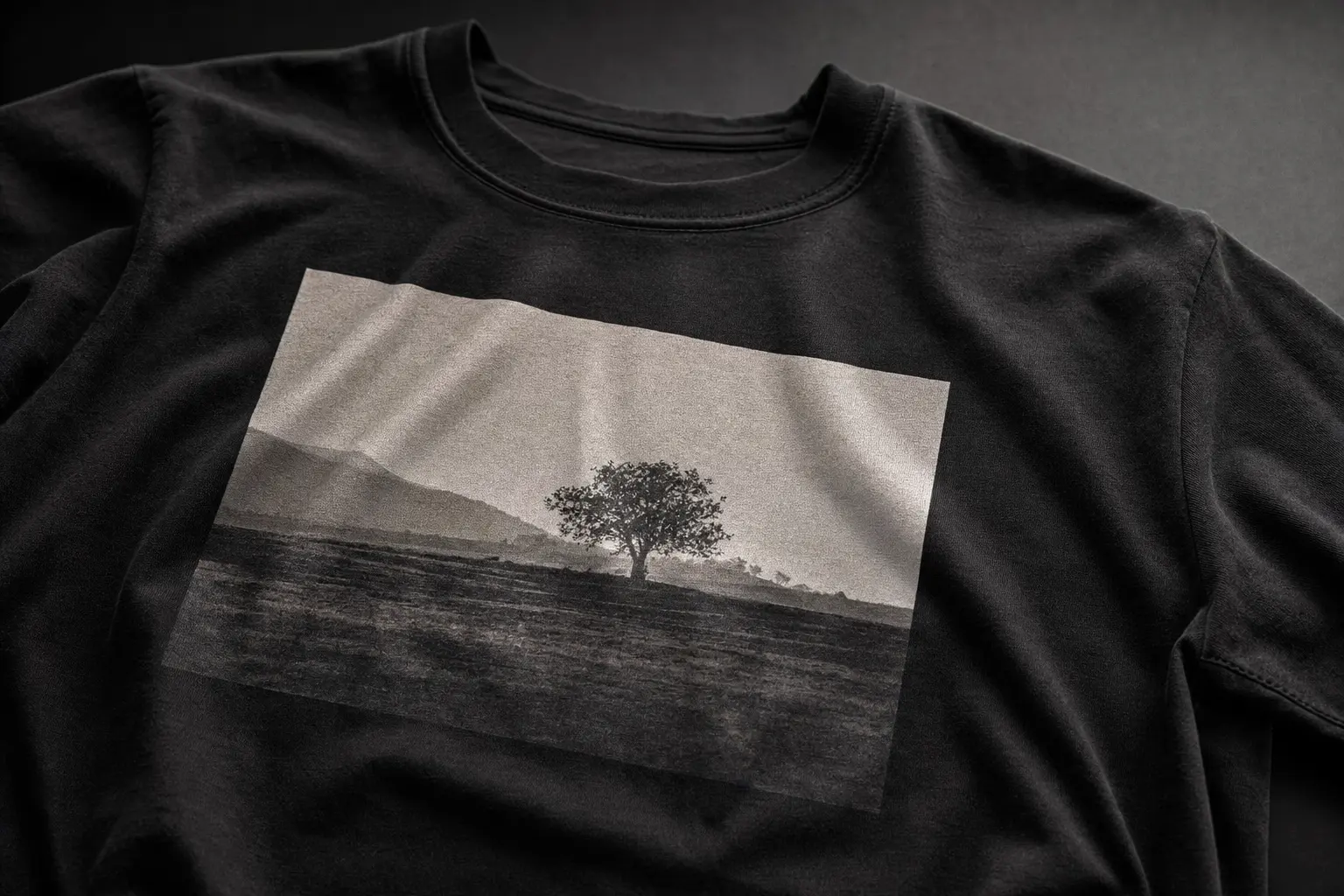
Practical prep you can request from the maker: file as a flattened PNG or TIFF at 300 DPI, include a separated white layer if printing for dark shirts, and ask what pretreatment and curing temperature (often 160–170°C for a set time) they use so you can gauge wash performance [1][7]. Color-matching across print methods is not exact: DTG yields softer looks, DTF/ screenprint punch harder. For a soft, retail-feel tee with photographic art, choose the Bella+Canvas 3001 blank printed DTG — that’s exactly how the Seoul Bass Club tee is produced at StyleMZ, pairing modern drape with finely detailed printwork.
Here’s a StyleMZ pick suited to DTG on retail cotton: It uses a Bella+Canvas 3001 blank for a soft hand and detailed color work.
Sizing and translation: how oversized in Seoul maps to US/EU sizes
Seoul oversized is not always ‘one-size-larger’ — it’s a specific cut choice. Korean makers often offer relaxed cuts with a shorter length relative to Western oversized tees, or true mid-thigh lengths for a more dramatic drape. If you’re shopping from outside Korea, map measurements rather than relying on the printed size label: chest width, body length, shoulder seam position, and sleeve opening are the fields that tell the story.
Exactly how to translate size (measure before you buy)
- Lay a trusted tee flat and measure chest width 2 cm below the armpit seam. Multiply by two for circumference.
- Measure body length from the high point of the shoulder (where the collar meets seam) to hem.
- Measure shoulder seam to seam to confirm drop: a dropped-shoulder tee will show a shoulder seam 4–8 cm lower than a classic retail seam.
- Compare these numbers to the product measurements the seller provides — always pick by measurements, not by ‘M’ or ‘L’ alone.
Fit advice by intent: if you want the Seoul oversized drape, size up one to two sizes from your usual retail fit on Bella+Canvas blanks; if you prefer a modern retail look that tucks cleanly, choose your usual size on retail-cut Bella+Canvas items. Heavyweight crewnecks like the Gildan 5000 run roomier; those are best when you want structure and a boxier silhouette rather than long drape.
For layering and long-sleeve propositions, length matters: a long-sleeve tee that reads oversized should hit mid-thigh when worn untucked for the contemporary Seoul look. If you prefer a conservative oversized look, aim for shoulder drop of 4–6 cm rather than 8 cm plus.
StyleMZ produces a premium long-sleeve option with a large back graphic and a relaxed unisex cut that sits between retail and full oversize—it’s a convenient pick if you want a long-sleeve that layers but still reads Seoul-street. Consider this when choosing for season and layering: the long-sleeve offers sleeve length and warmth without swapping to a bulky sweatshirt.
Styling the tee: the Seoul-playbook for layering, length, and accessories
Seoul styling is minimalist in principle and expert in proportion. A graphic tee becomes streetwear architecture when balanced with simple shapes and selective accents. The city favors layered lengths, restrained color palettes, and carefully chosen accessories: a neutral tote, a single bold shoe, or a clean cap. The easiest way to make a tee feel Seoul-authentic is to treat it as a layer rather than a headline piece.
Three styling rules with exact measures
- Layer lengths: pair a tee that is 6–15 cm longer than your outer layer hem for visible tiering. If your outerwear is thigh-length, pick a tee that extends 6 cm below it.
- Sleeve balance: when wearing an oversized short-sleeve tee over a long-sleeve layer, choose a long-sleeve with a 2–3 cm longer sleeve length than the short-sleeve to create a deliberate cuff peek.
- Graphic scale: keep large back graphics for an untucked look; small chest logos function better when the tee is tucked or half-tucked.
Totes and canvas accessories are a visible motif in Seoul streetwear — a printed canvas tote elevated with clean typography turns an outfit into a considered edit. For help using canvas in your outfit, StyleMZ covers practical visuals and proportions in this piece on how to wear canvas the Seoul way: Korean Tote Bag Styling: How to Wear Canvas the Seoul Way.
Color and contrast tips: with heavy or distressed graphics, choose a neutral base (black, ecru, or olive) and let the print read as texture. With photographic or pastel prints, choose lighter blanks and keep the rest of the outfit tonal to avoid visual competition. Accessories in Seoul are intentionally sparse — one statement (hat, bag, or shoe) and otherwise minimal. That restraint is how a graphic tee reads like design instead of advertising.
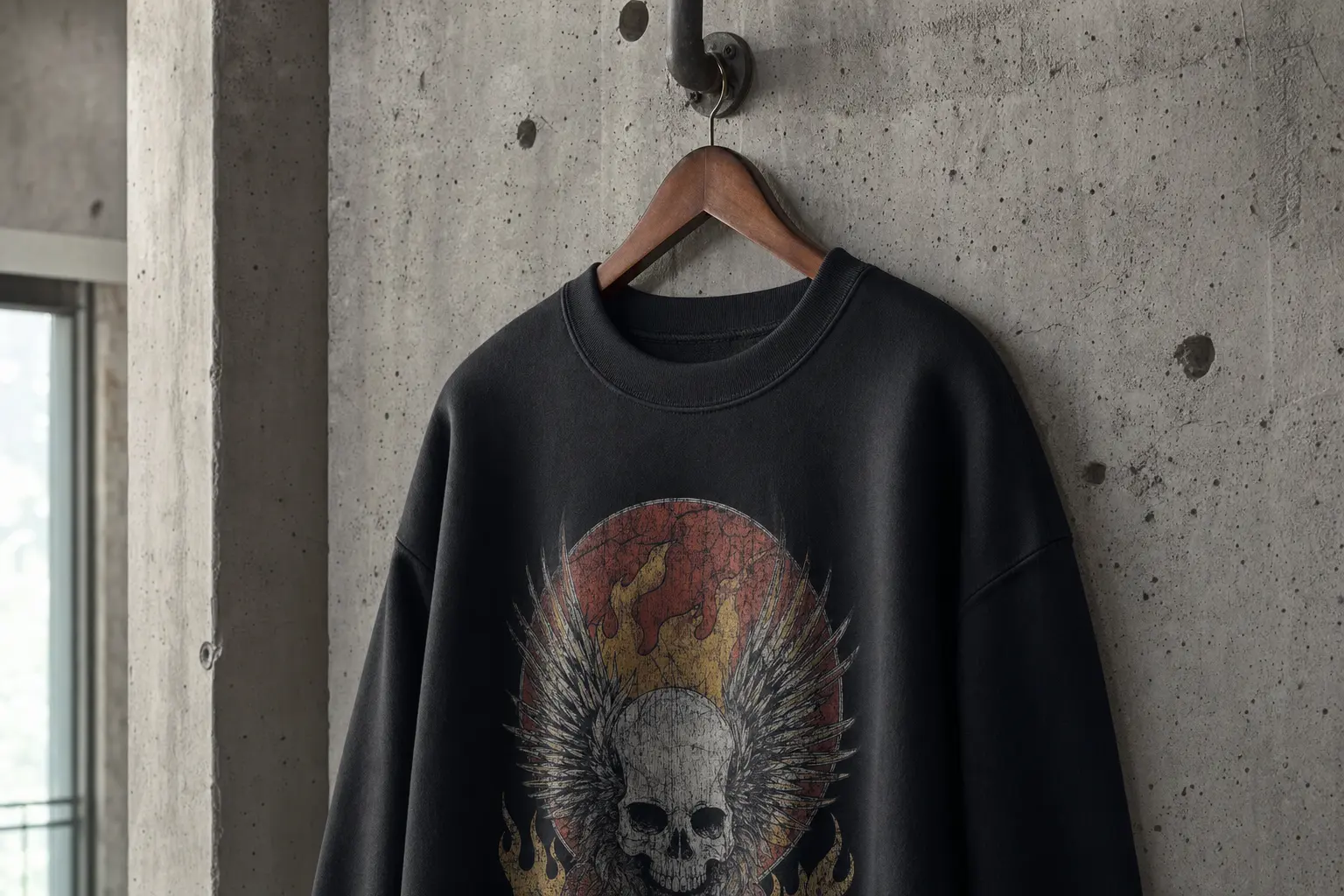
Washing, drying, and storage: exact care to keep prints crisp
Care is the difference between a tee that looks new for a season and one that fades or cracks after a few washes. Follow precise steps to protect both fabric and print: wash inside-out, cold water, gentle spin, air-dry flat or tumble low, and avoid bleach and fabric softener. Those steps materially extend color integrity for DTG, DTF, and screenprinted garments [8].
Step-by-step laundering routine
- Turn the tee inside-out to protect the print surface from friction.
- Machine wash cold around 30°C (86°F) on a gentle cycle; use a mild detergent without bleach.
- Skip fabric softener — it can coat inks and reduce vibrancy over time.
- Air-dry flat where possible; if using a dryer choose a low heat setting and remove promptly to avoid heat-set shrink.
- If ironing is necessary, iron inside-out and never over the print; high heat can alter ink binders and raise the print edge.
Print-specific notes: DTG prints are soft and integrate with the cotton fibers; they respond well to gentle washing but are more sensitive to high heat and harsh detergents because of their water-based inks [1][7]. DTF has stronger color permanence on dark garments but a slightly raised hand that benefits from inside-out washing and lower-heat drying [2]. Screenprints are the most robust against washing but still benefit from the same low-heat care to keep screen-printed plastisol layers from becoming brittle.
Storage: fold tees rather than hanging heavy prints — folded storage prevents shoulder stretch on midweight blanks. For long-term storage, place acid-free tissue between folded shirts if you’re stacking dark and light shirts together to avoid color transfer from heavily dyed garments.
Buying smart: made-to-order realities, lead times, and what to ask
Print-on-demand means less inventory but also requires new buying habits. Expect production lead times (often several days to a couple of weeks depending on order volume and shipping), and ask upfront which blank will be used and which print method is planned. If the maker lists “DTG” without specifying pretreatment for dark garments, ask for the white underbase approach — it affects edge visibility and wash behavior [1][7].
Questions to ask before you buy
- What exact blank will you use for my size and color?
- Which print method will be used and will there be a white underbase for dark colors?
- What are production and shipping lead times for made-to-order items?
- Do you provide exact garment measurements so I can compare to a tee I already own?
Collaborative drops and seasonal releases in Seoul typically align with Musinsa cycles and Fashion Week timings, which means some tees sell out quickly and may not be reprinted in the same run. StyleMZ’s products are produced on-demand to reduce waste; that means stock is not sitting in a warehouse but lead times are predictable and communicated at checkout. For trend context on how Seoul’s 2026 runways are shaping streetwear releases, see our coverage of the season: Seoul Fashion Week Trends: What 2026 Runways Are Selling Right Now.
When a seller slots you into a particular blank and process, keep a screenshot of the specs and the promised delivery date. If the order uses DTF or screenprint for a heavy-vintage look, accept that the hand will feel slightly different than DTG; if you want the soft retail hand, insist on Bella+Canvas 3001 and DTG for cotton prints.
Starter picks from StyleMZ: three tees that map Seoul’s approach
Start by deciding whether you want retail softness, heavyweight structure, or a relaxed long-sleeve layer. Below are three StyleMZ picks chosen to represent each approach — each is printed to the shop’s production notes and intended purpose, and each choice relates to the blanks and print processes we described earlier.
For retail softness and photographic detail, choose a Bella+Canvas 3001 crewneck printed DTG: it layers neatly and tucks for a cleaner silhouette. The Seoul Bass Club tee is produced on a Bella+Canvas 3001 blank and was designed with that exact intention — retail drape, detailed color work, and a K-wave graphic that sits well under a blazer or open jacket.
If you want bold, retro, heavyweight energy that holds shape and handles distressed artwork, choose a Gildan 5000 heavyweight crewneck. That blank holds vintage distressing and heavy ink layers without sagging; the Seoul Monster tee uses a Gildan® 5000 blank and is the StyleMZ pick for durable, in-your-face street graphics.
Finally, for layered long-sleeve styling with a large back graphic and a relaxed unisex cut that reads like Seoul’s late-year drops, the “Seoul After Dark” Premium Unisex Longsleeve uses a premium blank meant to bridge between retail and oversize fits. It’s intended as a layering piece that still reads individually as a strong design statement — a natural pick if you plan to wear your tee as an outer layer for cool nights in the city.
Buy by measurement and intended wear. If you prefer a clean, tucked retail look pick the Bella+Canvas option; if you want structure and vintage graphics, pick the Gildan heavy; if you want a long-sleeve layer, pick the premium long-sleeve option. Browse related items in T-Shirts and New Arrivals to compare measurements before checkout: T-Shirts | New Arrivals.
Shop the collection: Korean graphic tees, Korean long sleeve shirts, Korean sweatshirts, Korean hoodies and Korean tank tops – original graphics designed in Korea, made to order.
Frequently Asked Questions
How do Korean sizes and oversized cuts translate to US and EU sizing?
Do not rely on size letters alone — use garment measurements. Measure chest width, body length, and shoulder seam position from a well-fitting tee and compare to the seller’s spec sheet. For an oversized Seoul look, size up one full size from your usual retail fit on Bella+Canvas blanks; for a true boxed oversized silhouette, size up two sizes or seek a blank with a documented shoulder drop.
Which blank keeps prints looking new the longest?
For longevity in shape and print, midweight to heavyweight blanks (150–220 GSM) are best. Heavyweight blanks like the Gildan 5000 maintain silhouette and tolerate dense ink layers; midweight combed cotton balances softness and durability. Longevity also depends on print method: screenprints are most robust for repeated washing, DTF holds color on dark fabrics, and DTG needs gentler care.
Do DTG prints on dark shirts show a greyish edge from the white underbase?
On dark garments DTG requires a white underbase which can slightly alter edge appearance if pretreatment or curing is inconsistent. A high-quality DTG shop will mask edges with careful underbase trimming and curing to minimize a grey halo, but if absolute edge crispness is critical, consider DTF or screenprint instead.
What exact washing steps protect printed tees?
Turn the tee inside-out, machine wash cold (≈30°C/86°F) on a gentle cycle, avoid bleach and softeners, and air-dry flat when possible. If you must tumble-dry, use low heat. Do not iron directly on prints; iron inside-out at low temperature. These steps materially extend print life for DTG, DTF, and screenprinted tees [8].
Are Hangul characters and Korean imagery safe to use on graphic tees?
Using Hangul and Korean imagery is common, but treat text and cultural symbols with respect. Avoid copying protected logos or trademarked designs and be sensitive to context: historical or political symbols carry meaning and may be inappropriate for casual branding. When in doubt, work with designers who understand Korean typographic conventions and verify copyright for specific logos or images.