 OBJECT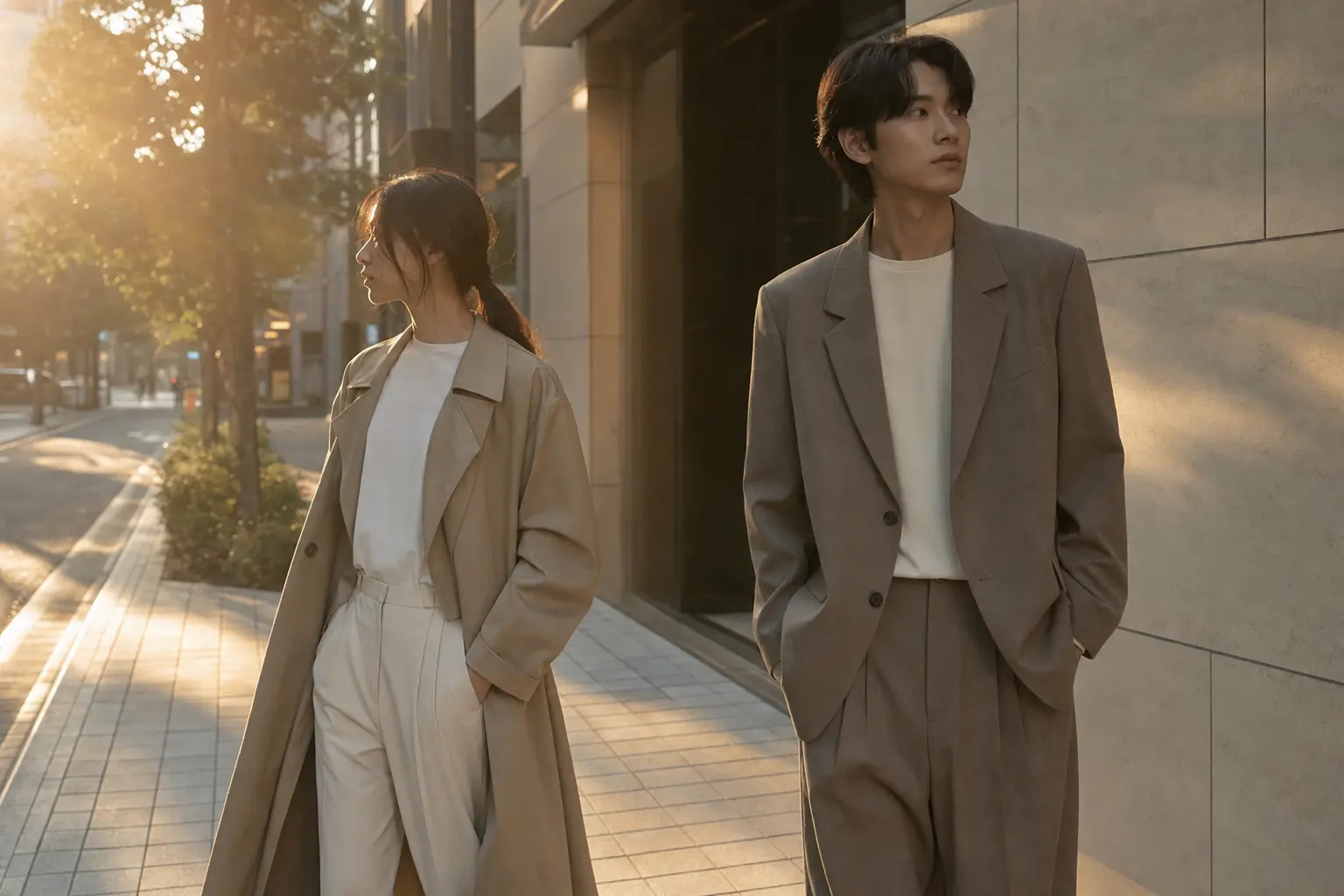
The Genderless Korean fashion trend is no longer a niche runway note—it’s a buying signal coming straight from Seoul’s runways and high-street drops. In plain terms: labels and idols are removing gendered design cues in favor of neutral cuts, fabrics and accessories that anyone can wear.
This article breaks down what ‘genderless’ means versus ‘unisex’, why it surged in 2025–2026, the key silhouettes to buy, practical sizing fixes, and a 10-piece wardrobe you can shop at StyleMZ. Read on for precise styling moves — and three StyleMZ picks to start with.
What 'genderless' actually means — and how it differs from 'unisex'
Language matters. When Korean designers say a piece is genderless they mean the garment was conceived without a gendered design intent: the cut, proportion and detailing don’t signal ‘men’s’ or ‘women’s.’ By contrast, unisex often means a single pattern graded into sizes that historically came from one gender’s block (often men’s), then offered for everyone. The result can feel like a one-size-fits-all afterthought; true genderless design starts at the sketch, not the size chart.
In practice you’ll notice three differences: proportion logic, pattern-making decisions, and styling recommendations. Genderless pieces lean on neutral proportional systems — think balanced shoulder lines, straight hip shaping, and relaxed waist placement — rather than features that emphasize a traditionally male or female silhouette (extreme waist-nipping, or exaggerated shoulder tapes for example). Details like cuffs, pockets and closures are treated as functional or aesthetic elements rather than gender signals.
How to tell the difference when shopping
- Check the product copy. Genderless will mention neutral sizing strategies or note that the pattern is drafted flat rather than adapted from menswear or womenswear blocks.
- Look at proportion photos. Are the shoulders and hem straight rather than tapered? Does the model styling prioritize movement over body-mirroring?
- Examine the fit guide. Brands committed to genderless will include clear measurements and advice to size up or down for structure or drape.
Seoul’s design scene made this semantic shift visible in 2025–26: design reports flagged gender-neutral CMF (color-material-finish) and multiple Seoul Fashion Week shows emphasized post‑gender tailoring and oversized street silhouettes [1][8]. The practical takeaway: stop thinking in men’s or women’s boxes and start evaluating proportion and intended drape.
Why the movement accelerated in Seoul: culture, commerce, and K‑pop
The genderless push in Korean fashion is cultural and commercial at once. On the cultural side, visual culture in Korea — music videos, idol styling, and magazine editorials — increasingly foregrounds androgynous aesthetics. K‑pop groups and stylistic concepts that lean on gender-free looks created visible templates during 2025–26 that consumers wanted to emulate [6][7].
On the commerce side, trade metrics and industry reports show demand followed the visuals. Seoul Fashion Week’s 2026 trade show posted USD 7.45 million in order-consultation value, a measurable indicator that buyers are placing bets on the silhouettes they saw on the runway [2]. South Korea’s 2025–2026 CMF Design Trend report also highlighted a clear industry focus on gender-neutral silhouettes and materials, which influences fabric sourcing and product cycles for the next two seasons [1].
How trends translate into product shelves
When a runway language shifts toward oversized tailoring and deconstructed suiting, buyers request larger size ranges, neutral colorways, and materials that hang well across bodies — think midweight gabardine, washed twill, and coated linens. Brands that translate these asks into ready product are the ones with sell-through. The crossover is already happening: Seoul-based labels with genderless positioning opened flagships overseas and launched collaborations that put genderless streetwear on a global stage [3][4][5].
For you as a shopper, this convergence means timing matters. You’ll see supply spikes around the fashion-cycle months (February and September) and moments when K‑pop groups have major comebacks or tours. If you want the freshest cuts, those are the windows to watch; for classic pieces, search for neutral fabrications and understated construction that won’t date quickly.
Want a closer look at the runway language that shaped these orders? Read our coverage of how Seoul’s runways are selling right now: Seoul Fashion Week Trends: What 2026 Runways Are Selling Right Now.
The core silhouettes to buy (and how to style each one)
There are repeatable silhouettes that define the current genderless wave. Buy these with intent and you’ll be able to rotate them into almost any capsule. The key shapes: oversized blazer, boxy tee, straight-leg trousers, roomy outerwear, and structured unisex eyewear. Each is simple to layer and adapts to both subtle and dramatic styling.
Oversized blazer — how to wear it
Texture: midweight suiting with a touch of viscose or rayon gives you drape without puff. For a clean minimal look, let the shoulders sit softly — the seam should rest slightly off the shoulder bone. If you want structure, add a thin shoulder pad or wear a fitted long-sleeve underneath. Try these steps: (1) Size up one from your fitted blazer size; (2) button only the top or middle button to preserve length; (3) keep the rest of the outfit slim — straight trousers or a mid-rise jean.
Boxy tee and layering rules
- Fabric matters: thicker cotton or cotton-modal hold shape and read deliberate rather than sloppy.
- Length: stop short of extreme crop. A boxy tee that hits the top of the hips is the most versatile.
- Layering trick: tuck one side into the front of trousers to create visual imbalance and avoid a floating rectangle.
Roomy outerwear — parkas, long trenches, and padded coats — works as the architectural piece. Go one size larger than your usual outerwear for pronounced volume; add a midweight knit under it rather than a bulky sweater to keep lines clean. For accessories, choose unisex eyewear and minimal jewelry that reads like design detail, not ornamentation.
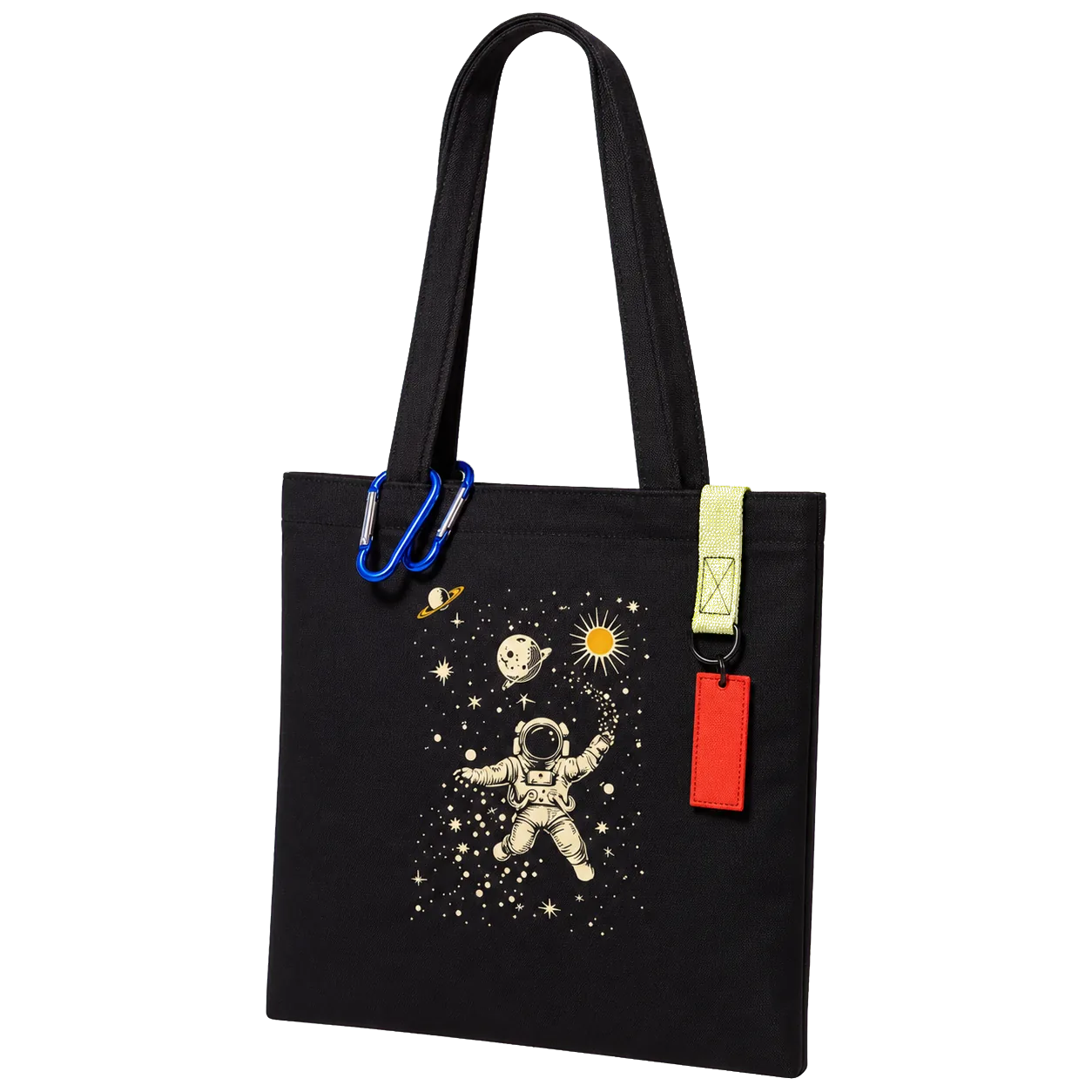
That card above pairs well with boxy tees and oversized blazers. When shopping, prioritize even hems, neutral palette, and visible stitch work — signs the piece was drafted intentionally rather than graded awkwardly between men’s and women’s sizes.
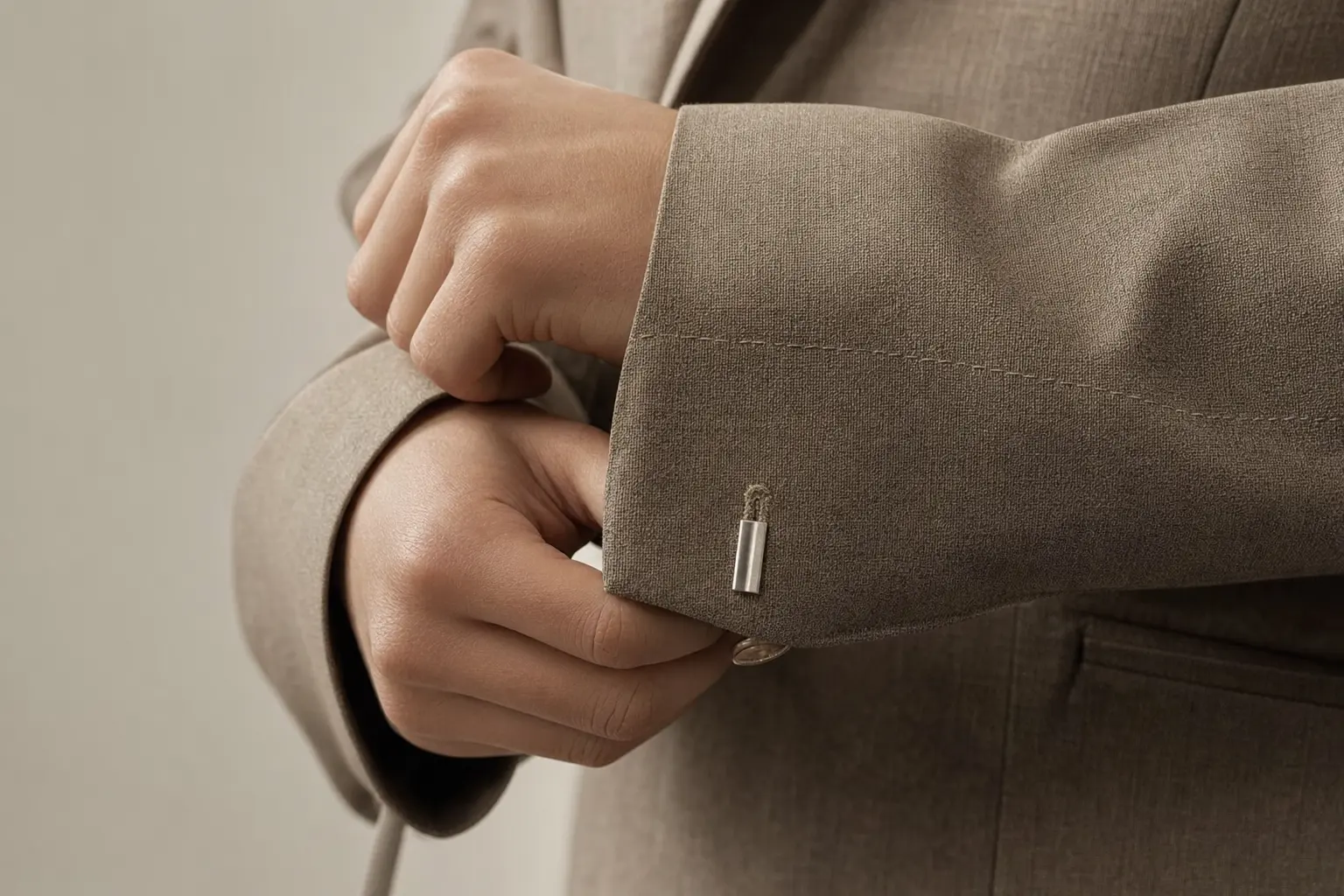
How to size and tailor genderless pieces for your body
Sizing is the place most shoppers get stuck. Because genderless garments are drafted without gendered curves in mind, you must judge them by raw measurements and intended drape. That starts with two pieces of information from the product page: the garment measurements (shoulder, chest, sleeve, hem) and the model’s height/measurements. Use those numbers as your reference rather than the labelled size.
Here are clear rules to follow: measure a similar item you already own flat, compare chest and shoulder widths to the product measurements, and decide whether you want structure or ease. If a jacket has a 5–7 cm larger chest than your typical size, expect room for light layering; 10 cm or more produces a true oversized look. For trousers, compare waist and hip flat measurements, and check rise — genderless trousers often sit lower to mid-rise for a neutral aesthetic.
Simple tailoring fixes
- If sleeves are too long: have them shortened by 2–4 cm and retain the original cuff width to keep intended proportion.
- If shoulders are wide: a tailor can reduce the shoulder seam 1–2 cm without destroying the oversized language.
- If hem length is wrong: a small hem adjustment (3–5 cm) can correct balance without altering character.
| Silhouette | Best fit goal | Tailoring fix |
|---|---|---|
| Oversized blazer | Soft shoulder, long line | Shorten sleeves 2–4 cm; leave body |
| Boxy tee | Comfortable chest, short hip length | Side tuck or hem shortening 3 cm |
| Straight trousers | Even hip line, slightly relaxed leg | Taper hem or take in waist 1–2 cm |
| Roomy outerwear | Volume for layers, clean silhouette | Minimal fixes; adjust sleeve only |
When in doubt, opt for a tailor who understands contemporary minimal proportions — a small shoulder or sleeve alteration will preserve the genderless intent while making the garment readable on your body. That tailoring investment is how you turn a runway proportion into wearable wardrobe staple.
Street styling rules from Seoul and K‑pop that actually work
Seoul’s streetwear and K‑pop styling have become a visual instruction manual for the genderless aesthetic. The looks you see are intentional: controlled proportions, clean color palettes, and a balance of tailored and relaxed elements. Copy the structure, not the costume; the secret is mixing a tailored anchor with lived-in pieces.
Three practical styling formulas
- Tailored Anchor + Relaxed Base — e.g., oversized blazer with straight denim and boxy tee. Keep one element structured and the rest relaxed.
- Monochrome with a Focal Texture — repeat a single color and introduce contrast through material: matte cotton with shiny hardware or brushed wool against coated cotton.
- Layered Lengths — use a longline shirt or vest under a shorter jacket to create deliberate asymmetry without heaviness.
Accessories are minimal but decisive. Unisex eyewear reads like design shorthand: simple frames, strong bridge, and neutral tones. Belts are used functionally — cinch for shape instead of ornamentation. Footwear varies from chunky sneakers to polished loafers; the choice anchors the look to street or smart-casual codes.
Makeup and grooming cues matter in presentation. In Seoul, the genderless look often pairs matte skin with groomed brows and minimal color: think a soft contour, healthy skin finish, and a definitive lip balm rather than heavy lipstick. If you’re copying idol styling, check comeback-era visuals for exact color palettes and hair lengths; those cycles drive demand and retail drops.
For actionable outfit ideas that borrow from Korean idol travel and stage looks, see our piece on how many idols approach low-key dressing: How to Dress Like a Korean Idol: Minimalist K‑Pop Style Guide. Use these formulas to mix and match from your own wardrobe with a focus on proportion and material contrast rather than ‘gendered’ items.
Seasonality, buying cadence, and where to find genderless pieces
The style cycle matters more for genderless pieces than it does for fast‑fashion fads. Runway language set in February and September shows up in stores three to six months later. Seoul’s 2026 trade metrics and the CMF trend report mean buyers are stocking neutral palettes and heavier fabrics in time for autumn/winter drops, and lighter drape fabrics for spring/summer [1][2][8].
Plan purchases around two windows: the fashion-cycle months for the newest directional cuts, and end-of-season sales for wardrobe staples. If you want a distinct runway cut—like a deconstructed suit jacket—buy early in the season when sizes are freshest. If you’re after classic oversized outerwear, late-season markdowns often yield the best value.
Where to shop at StyleMZ
We curate pieces that align with these seasonal shifts. Start with the ‘Clothing’ category to scan core silhouettes and shop new drops: Clothing (shop category). For longline coats and layered outerwear that read genderless in winter, our Seoul-style coat guide shows how to use proportion to your advantage during the cold months: Korean Winter Coat Styling Guide: 9 Seoul-Ready Looks.
When you browse, prefer neutral palettes, visible stitch detail, and midweight fabrics that hang rather than cling. If a product lists flat measurements and styling cues, that’s a good sign the brand thought about function across bodies. Size ranges are expanding, but remember: a small tailoring tweak will make a garment sing.
Finally, pay attention to K‑pop comeback windows and Seoul Fashion Week months. Drops timed to those events often forecast the next season’s dominant shapes and colors. If you want the freshest pieces, watch those calendars and shop within two to six weeks of runway shows and major comebacks.
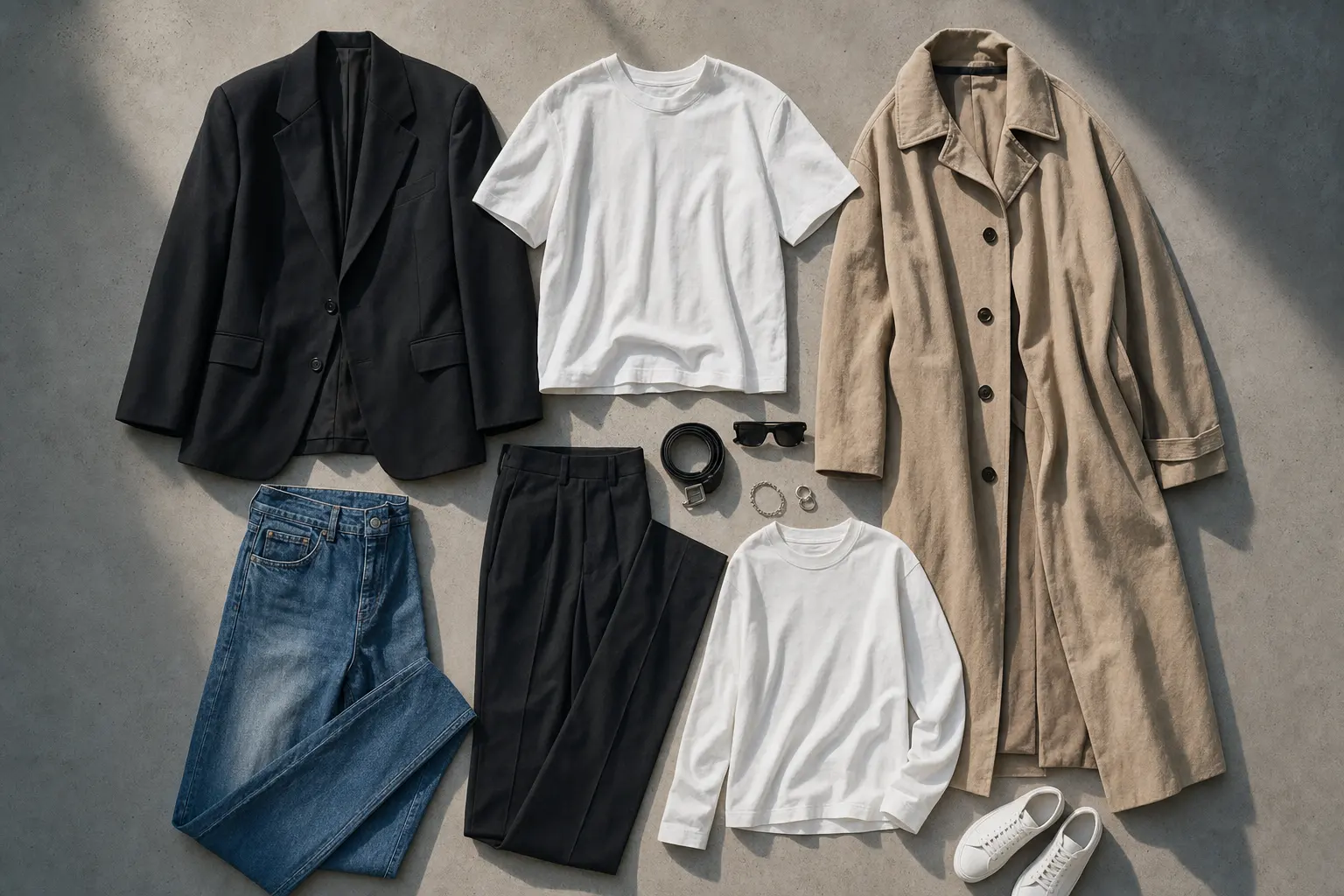
A practical 10-piece genderless wardrobe to build now
Assemble these pieces and you’ll have immediate outfit options across street, formal and travel codes. Each item was chosen for cross‑gender adaptability, layering potential, and timeless proportion.
Your 10-piece list
- 1 oversized blazer in midweight suiting — neutral tone
- 1 boxy tee in heavy cotton
- 1 fitted long-sleeve layering tee (for structure)
- 1 pair of straight-leg trousers in washed twill
- 1 roomy outer coat (parka or long trench)
- 1 cropped or mid-rise denim — straight cut
- 1 pair of unisex sunglasses or simple frames
- 1 simple leather belt — matte hardware
- 1 set of minimal jewelry: signet ring + thin chain
- 1 pair of versatile sneakers (chunky or clean low-profile)
Practical buying notes: choose fabrics that meet your climate needs — heavier gabardine and boiled wool for cold months, breathable cotton-linen blends for summer. When in doubt on size, prefer the slightly larger cut and use tailoring. If you want visible design detail, pick one piece (usually the outerwear) and keep the rest restrained so your wardrobe reads cohesive instead of costume.
How to rotate these pieces in seven days: use the blazer twice (dressed up with trousers, dressed down with jeans), the boxy tee three times, and the coat as needed. Accessories do heavy lifting: swap eyewear and belt to shift between street and smart codes quickly. This 10-piece edit is how Seoul stylists build looks that feel both timeless and contemporary.
How to avoid common mistakes and finish like a pro
There are repeat mistakes shoppers make with genderless pieces. The most common: buying a size that only creates a shapeless rectangle, over-accessorizing with gendered cues, and misunderstanding fabric behavior. Avoid these with tactical fixes.
Three mistakes and quick solutions
- Buying too large for ‘oversized’ — Solution: use measurements, not labelled size. Aim for 5–10 cm extra chest for an oversized blazer, not 20 cm.
- Clashing materials — Solution: balance texture. If outerwear is heavy and matte, keep inner layers lighter and smoother to avoid visual bulk.
- Over-accessorizing — Solution: pick one focal accessory. Let eyewear or a belt be the detail; keep jewelry minimal.
Finish matters. Hem lengths should feel intentional: if a coat overwhelms your frame, shorten the sleeve and hem slightly rather than returning it. For fabric care, hang structured pieces on wide-shoulder hangers to preserve shape, and dry-clean blazers sparingly — spot-clean first and store with moisture control to prevent shoulder puckering. Cotton boxy tees benefit from a cold wash and low-heat tumble to keep edges crisp.
Presentation tips: iron or steam until the fabric lies flat against the shoulder and chest. Even a small amount of steam relaxes heavy weaves and makes the garment fall correctly. When layering, always check silhouette balance in a mirror at three distances: close (are details tidy?), medium (does the outfit read coherent?), and far (does the overall proportion make sense?). Those three views replicate how others see you in real life.
Finally, treat genderless dressing as design-first: prioritize proportion and material over labels. That approach will keep your wardrobe modern and wearable season after season.
Shop the collection: Korean graphic tees, Korean long sleeve shirts, Korean sweatshirts, Korean hoodies and Korean tank tops – original graphics designed in Korea, made to order.
Frequently Asked Questions
What is the difference between 'genderless' and 'unisex' clothing?
Genderless design is drafted without gendered intent — pattern, proportion and detailing are neutral from the start. Unisex usually means a single pattern graded across sizes, often adapted from one gender block. Practically, genderless pieces prioritize balanced proportions; unisex items can feel like sized versions of a single-gender garment.
How should I size genderless pieces if I'm between sizes?
Use flat garment measurements. Compare the product’s shoulder, chest and length to a trusted item you already own. If you want a structured look, choose the closer measurement; for relaxed drape, size up one. Minor tailoring (sleeve shortening, shoulder reduction) delivers a better finish than returning a piece that’s too extreme.
Are genderless clothes more expensive than regular styles?
Not necessarily. Some designer genderless pieces carry premium prices due to pattern development. But many brands translate the look into accessible ranges. Shop season-ends for staples and check shop categories focused on neutral cuts — that’s where value shows up without sacrificing design intent.
Which fabrics work best for a genderless wardrobe?
Look for midweight fabrics that hang — gabardine, viscose-blends, washed twill and structured cottons. Avoid clingy knits for outer layers; instead, use lighter knitted layers under tailored pieces. Materials that resist wrinkling will preserve clean lines and proportion throughout the day.
Can I adapt genderless pieces for formal occasions?
Yes. For formal settings, pair an oversized blazer with straight trousers and a fitted turtleneck or shirt. Keep shoes and accessories refined: polished loafers, a minimalist watch, and neutral eyewear. Slight tailoring to hem and sleeve length will make the look read as intentional rather than casual.