 OBJECT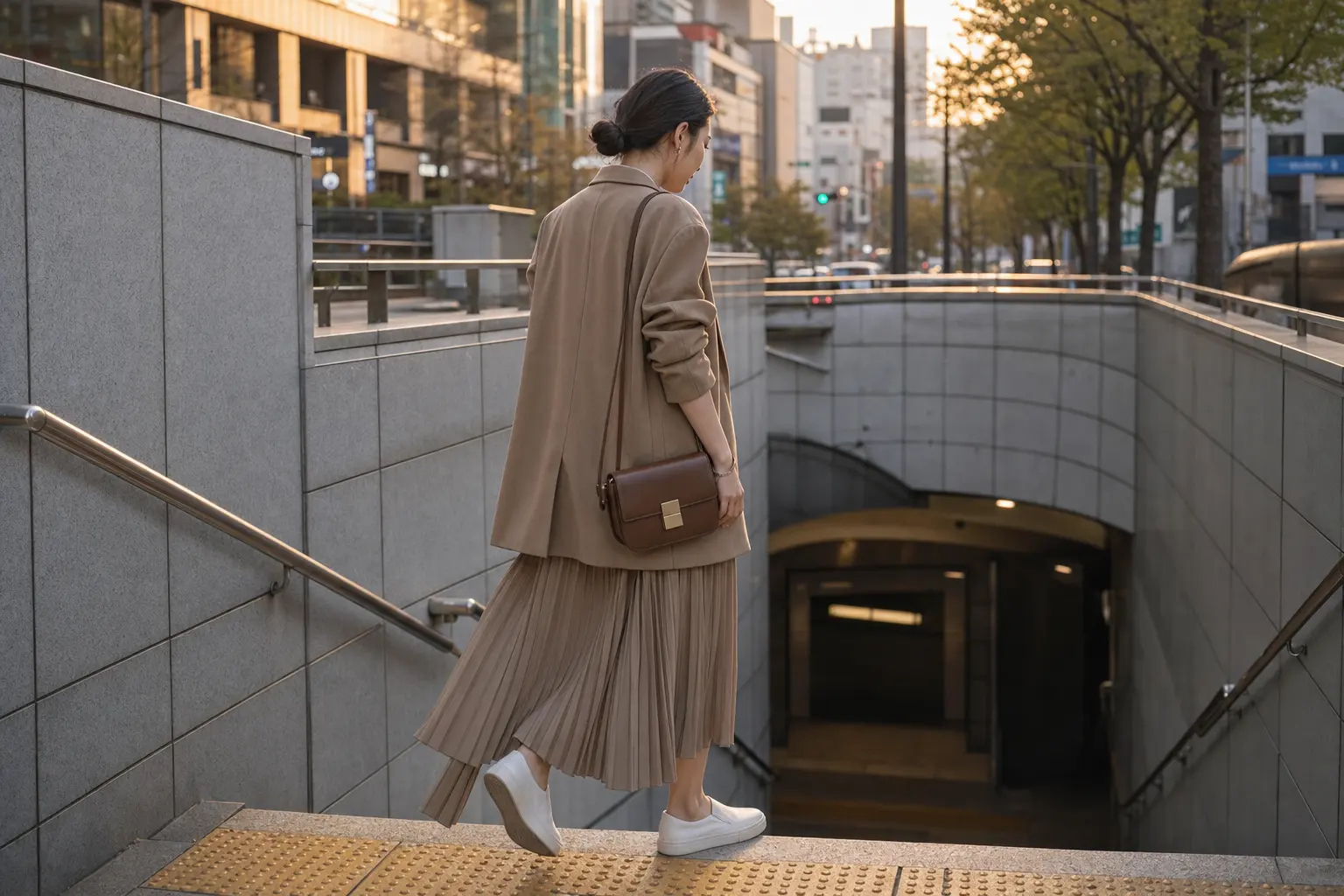
Start with the image you keep replaying: a lead character stepping off a subway in a sculpted blazer, or a casual scene where a sweater tossed over the shoulders reads like effortless polish. K‑drama inspired outfits are no longer costume—they are a modern uniform that mixes tailoring, heritage nods, and streetwear textures in small, repeatable moves.
This piece breaks the looks into exact pieces and steps: what to buy, what to tailor, which fabrics matter, and how Seoul shoppers mix hanbok references with everyday silhouettes. Use these techniques to build outfits that read cinematic but remain wearable season after season.
Why K‑drama looks shape global fashion now
K‑drama aesthetics reached global scale thanks to sustained investment and visibility—platforms committed billions to Korean content, and that volume turned style moments into measurable retail spikes [1]. High‑visibility costume choices create instant trends: when a show lands, searches and purchases for a specific silhouette surge for weeks. Those spikes are short but leave a lasting baseline demand that retailers and designers lean into [2].
Beyond spectacle, the effect is cultural taste transfer. Seoul’s street style—oversized tailoring, chunky sneakers, hanbok nods—feeds both high fashion and accessible retail. Designers and local platforms have scaled: Korean labels reported significant sales growth, while Musinsa and similar platforms widened global discovery, meaning looks seen on screen quickly translate into available pieces [3][5].
For you, this translates into two practical truths. First, the outfits you see on screen are curated; they’re built from a reduced vocabulary of recurring elements—power blazers, vintage knits, clean slip‑on sneakers, hanbok references. Second, timing matters: a show will produce an immediate demand spike, but the most wearable parts of that trend have staying power. Adopt the repeatable elements and avoid chasing single‑episode gimmicks.
What Seoul shoppers actually buy
- Structured blazers and tailored coats for work‑wear looks.
- Textured knits and sweater‑over‑shoulder styling for casual polish.
- Platform Mary‑Janes and retro sneakers for character‑defining footwear.
- Hanbok‑inspired skirts or tops used as a single heritage nod, not a full costume.
That combination—clean structure plus one heritage or textural accent—is the working formula for K‑drama inspired outfits you’ll wear beyond the credits.
The signature K‑drama outfit archetypes to copy
Korean dramas keep returning to a handful of outfit archetypes because they read strongly on camera and are easy to adapt. Knowing these types will help you build looks from wardrobe staples rather than chase episode‑specific costumes.
Study these five archetypes and their repeatable details. Each description includes the key pieces, textures, and how to wear them so the silhouette reads cinematic rather than costume.
1. The Power Blazer
Key pieces: single‑ or double‑breasted oversized blazer, slim trousers or a midi skirt, low‑profile leather loafers or loafers with a small heel. Texture matters: mid‑weight wool or wool‑blends hold the shoulder and drape cleanly on camera. For a K‑drama feel, keep the palette muted—charcoal, camel, cream—and add a single accessory like a slim leather bag or simple gold bar earring.
2. The Casual Polished
Key pieces: a vintage‑inspired knit, white t‑shirt, relaxed jeans or pleated trousers, white slip‑on sneaker or retro runner. The trick is proportion: tuck the tee or half‑tuck the front of the knit, push sleeves up to create nonchalant texture. A sweater thrown over the shoulders is literal shorthand for casual polish on screen.
3. Hanbok Nod
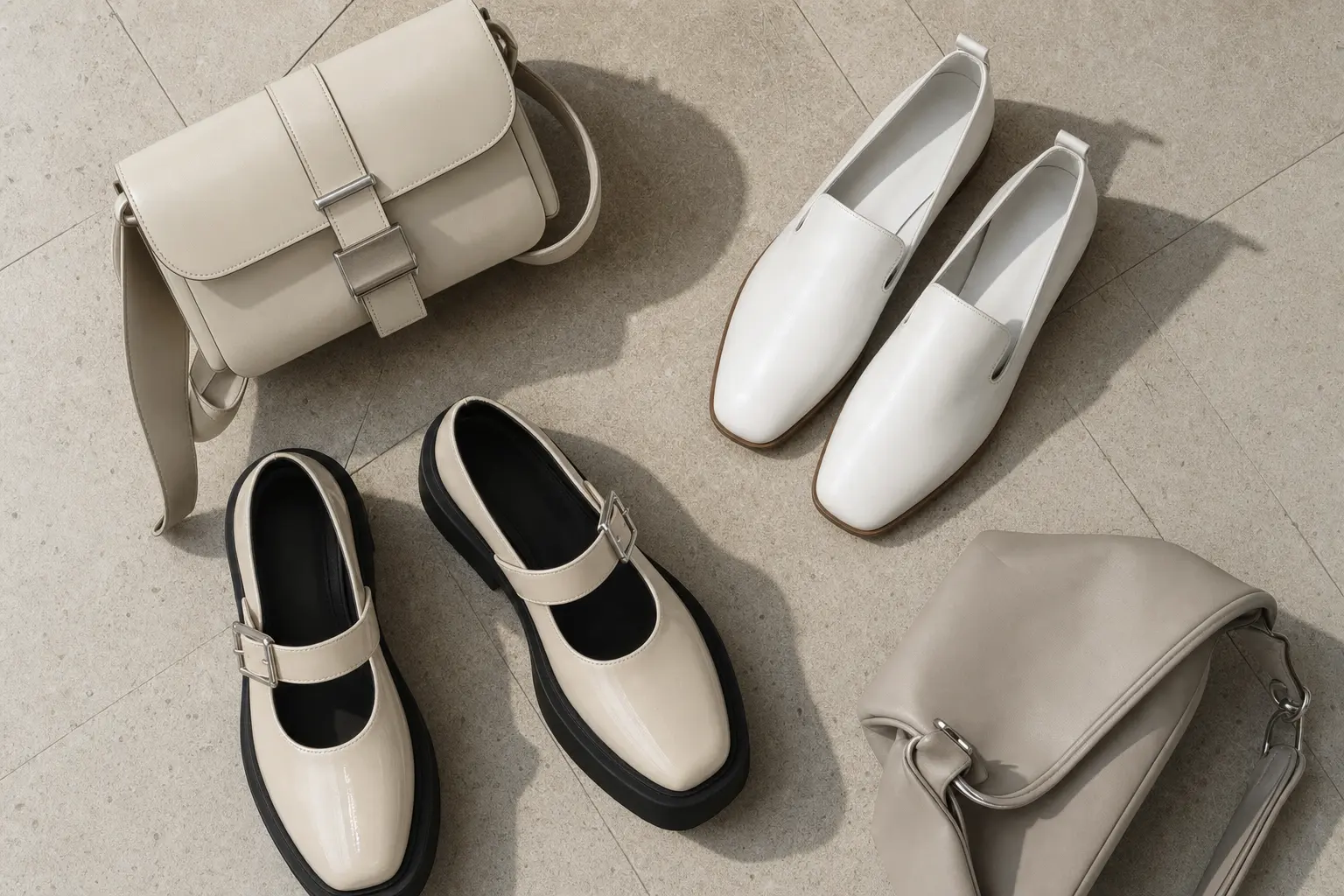
Key pieces: a top or skirt with a high waist or wrapped detail, soft pleating, or asymmetrical closures. This is not traditional dress; it’s a subtle reference—a high‑waist skirt with flowy volume or a collar with a gentle stand. Use silk‑blend fabrics or light linens to echo the movement associated with heritage garments.
4. Sporty Streetwear
Key pieces: a tracksuit with clean lines (look for a single-color set with minimal logos), chunky sneakers or platform Mary‑Janes, and a sculptural cap or chain necklace. Keep the color block simple—olive, navy, or muted green reads best on camera.
5. Romantic Minimalist
Key pieces: a simple slip dress layered over a fine‑gauge tee, lightweight trench or tailored coat, and a small structured bag. The silhouette is long and clean; fabric breathes and moves. This archetype appears frequently for evening scenes and city strolls.
Build K‑drama inspired outfits from your wardrobe — exact steps
Stop buying whole outfits. K‑drama inspired style works because it recombines simple building blocks. Follow this exact five‑step method used by stylists to recreate cinematic looks with clothes you already own.
Step 1 — Audit for core pieces (15 minutes)
Open your wardrobe and pull: one oversized blazer, one tailored coat, two knits (one chunky, one fine), one pair white slip‑ons or clean sneakers, one midi skirt or pleated trouser. If you can only keep five pieces, make them these. The rest is detail work.
Step 2 — Match textures and tones (10 minutes)
Place items together on the bed. Pair heavier textures (wool blazer) with smoother ones (silk blouse) to create visual contrast. For K‑drama polish, give priority to neutrals—camel, cream, navy—then add a single accent color or heritage texture (soft pleats, silk sheen).
Step 3 — Create three capsule looks (30 minutes)
- Workwear: blazer + slim trousers + loafers + slim leather bag.
- Café run: vintage knit half‑tucked + relaxed jeans + white slip‑ons + sunglasses.
- Date night: slip dress + fine‑gauge tee + tailored coat + platform Mary‑Janes.
Try each look, photograph them in natural light next to a window, and edit. The camera reveals proportion problems you might miss when dressing in front of the mirror.
Step 4 — One heritage nod per outfit
Pick one hanbok‑inspired or heritage element—pleating, wrap detail, a high waist—and keep it subtle. Too many nods read like costume. A single soft pleat or a wide waistband is enough to give the outfit that distinct Korean sensibility.
Step 5 — Finalize fit and movement
Move around: sit, walk, turn. If a blazer’s shoulder puckers when you reach forward, it needs tailoring. If a skirt clings, change the lining or choose a different fabric. The K‑drama aesthetic favors clothes that look effortless in motion.
Shop smart at StyleMZ: what to buy and why
When you’re building K‑drama inspired outfits, use shopping to fill gaps—don’t reinvent your whole wardrobe. Focus on three categories: tailoring, textured knits, and a statement accessory. StyleMZ’s pieces are designed for a minimalist, designer‑forward wardrobe and fit the archetypes above.
Start with tailoring: choose a blazer with a defined but slightly dropped shoulder and a clean chest. The ideal blazer length ends around mid‑hip for a modern silhouette; midi lengths read more formal. For knits, prioritize natural fibres—wool‑blend or cotton with a touch of cashmere—for weight and drape. These materials photograph better and hold shape after wear.
Accessories close the look. A compact structured bag or a sculptural buckle reads high‑design on camera; sunglasses with clean lines give immediate character. For footwear, platform Mary‑Janes and minimalist slip‑ons are recurring cues; select leather or leather‑look materials for durability.
Shop the categories you need on StyleMZ rather than chasing a full costume. Use the clothing category to filter blazers and coats, and check new arrivals for updated silhouettes that follow current Seoul street style.
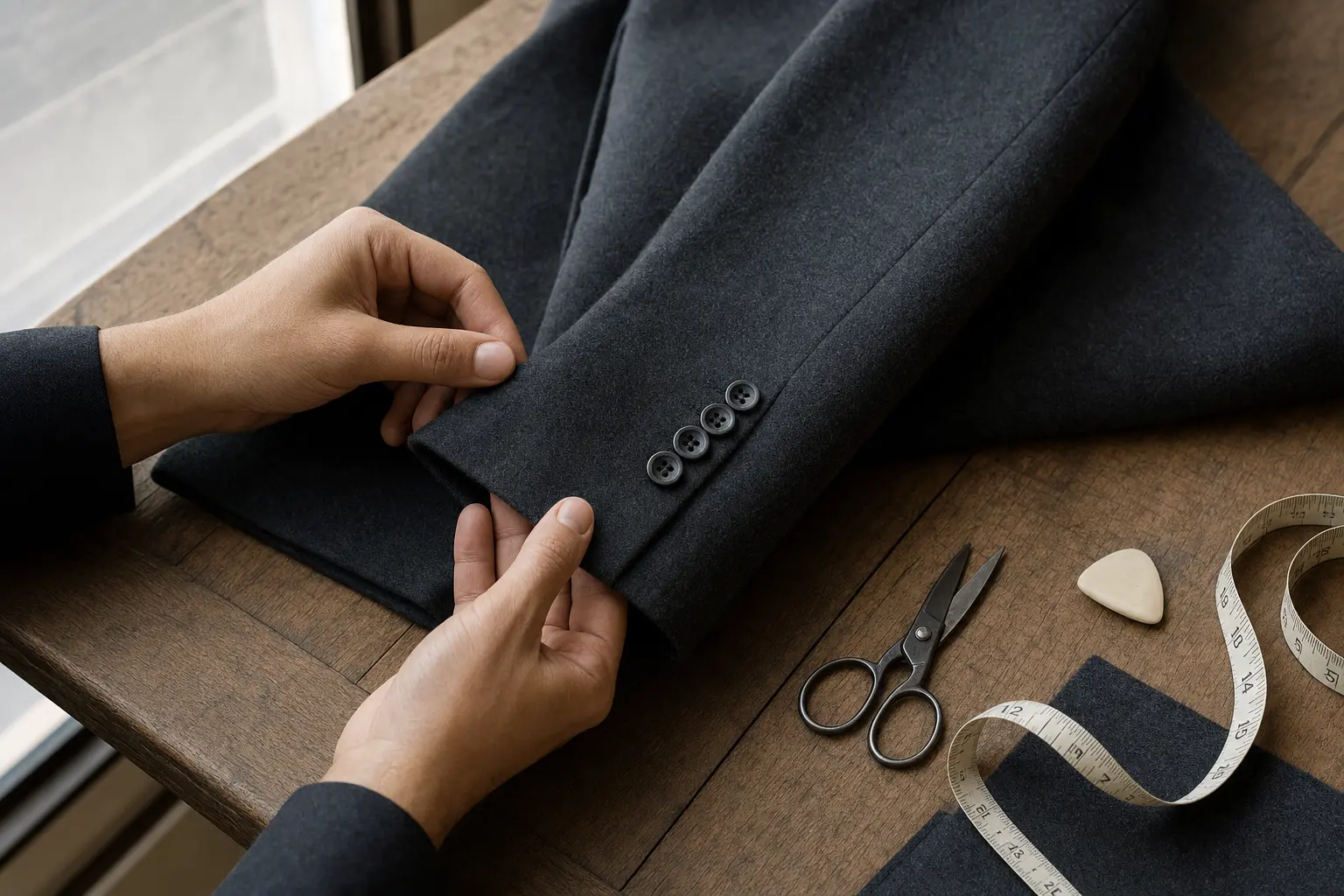
Pair these purchases with light tailoring: shorten a blazer by 2–3 cm if you want a crisper waist, or have sleeves taken up so the cuff shows 1–2 cm of shirt. Small adjustments make mass‑market pieces read bespoke. For seasonal buys, pick one bold piece each season (a hanbok‑nod skirt for spring, a statement coat for winter) and fill the rest with versatile neutrals.
Related reading: learn idol travel looks and packing economy with our piece on Korean Airport Fashion Looks, or get basics right with How to Dress Like a Korean Idol.
Tailoring, proportions, and the silhouette table
Proportion is the secret that separates a K‑drama costume from an outfit that actually works in daily life. Small tailoring decisions—where a blazer hits, how a skirt’s hem falls, how much ease a coat has—change everything. Here’s a clear, practical table to choose silhouettes and tailoring targets by body type and context.
| Body Type / Need | Silhouette to Choose | Tailoring Targets |
|---|---|---|
| Petite; office | Single‑breasted blazer cropped to mid‑hip; high‑waist slim trousers | Shorten blazer hem by 2–3 cm; keep shoulder seam on natural shoulder; 1–2 cm off trouser hem |
| Tall; casual/street | Longline blazer or oversized coat; wide‑leg trousers or midi skirt | Maintain sleeve length to wrist bone; ensure blazer has enough shoulder ease; skirt hem at mid‑calf |
| Curvy; evening | Structured wrap top or high‑waist skirt; A‑line midi | Adjust waist to natural waist; add small darts to blazer for shape; avoid excess fabric at hip |
| Slim; layering | Chunky knit or sweater over shirt; lightweight trench | Ensure shoulder width isn’t swallowed; shorten sleeve to show cuff; add lining if coat slips |
| Plus size; polished | Longline single‑button blazer; vertical seams or panels | Bring in side seams 1–3 cm; add a small shoulder pad if needed; clean lapel roll |
How to use the table: pick your cell, then communicate with a tailor in concrete terms—’shorten hem 2 cm, taper side seams 1.5 cm, keep sleeve length to wrist bone.’ Bring the garment and an outfit to test the proportions together. If you buy online, plan for at least one tailoring visit; most quick adjustments take under an hour in Seoul and require one try‑on to get right.
Common mistakes: leaving sleeves too long (it makes even slim blazers look sloppy), keeping excess volume through the torso (which flattens the intended shoulder), and over‑shortening blazers (which loses the relaxed, slouchy quality). Aim for subtle corrections that preserve the designer silhouette while fitting your frame.
Shoes, bags, and the small cues that read cinematic
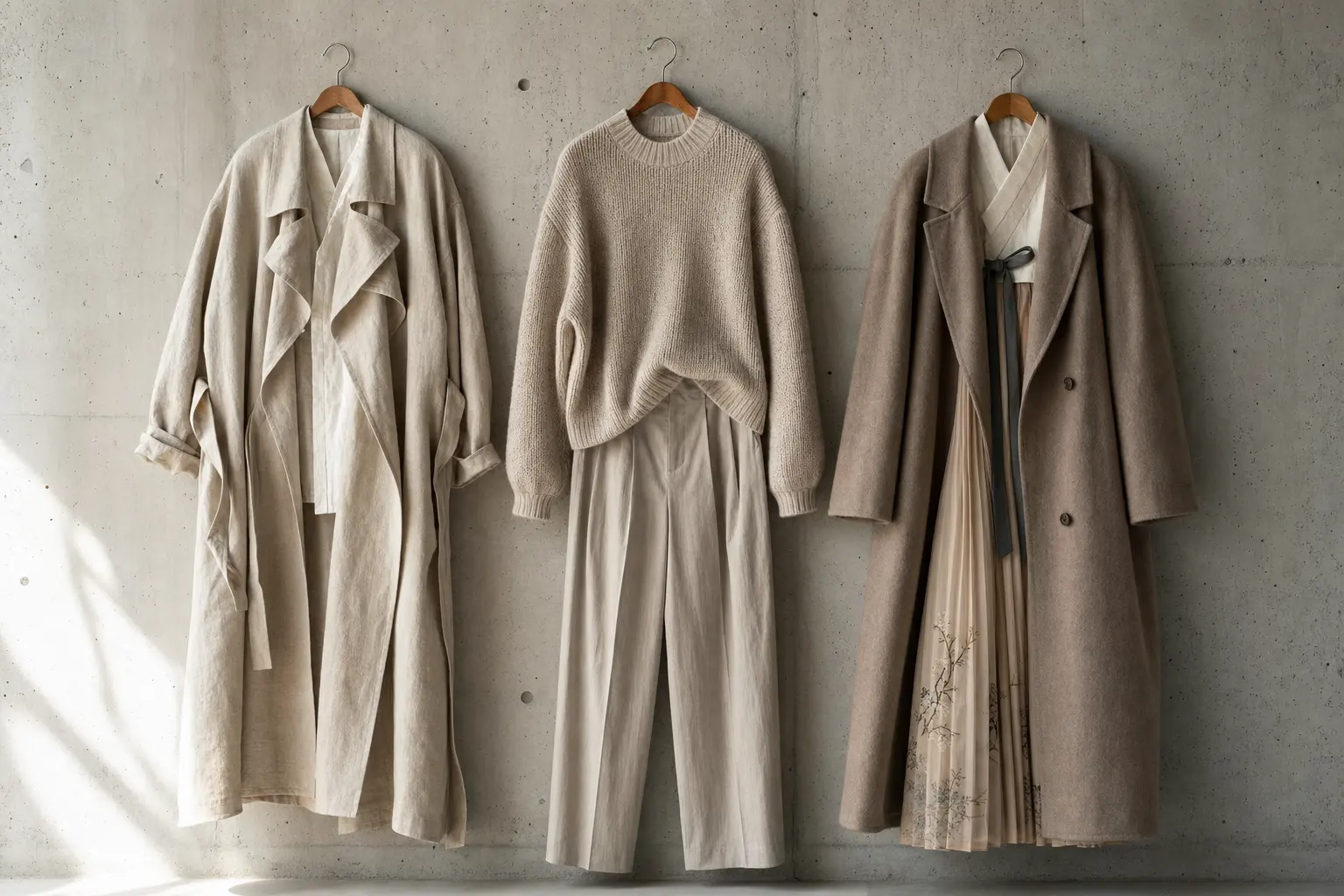
Shoes and bags are the punctuation of K‑drama inspired outfits. A single choice—white slip‑ons, platform Mary‑Janes, or a sculptural bag—can define a character. Focus on proportion, material, and sound: clean leather gives a muted sheen on camera; rubber soles read casual and modern.
Start with shoes. White slip‑ons (not bulky runners) are a recurring K‑drama cue for effortless polish. Look for a low profile, smooth upper, and a slightly structured heel counter so the shoe holds shape. Platform Mary‑Janes add height and a nostalgic note without feeling costume; choose leather or vegan leather with a firm sole so the platform keeps its form.
Bags should be compact and structured or soft and deliberately slouchy—either works. A small top‑handle bag or a compact shoulder bag with a sculpted flap reads as a statement; a slouchy leather hobo reads casual and lived‑in. For camera, avoid overly reflective hardware; brushed metal photographs better than high‑gloss gold.
Accessories: sunglasses with geometric lenses, slim gold hoops, and a single hair accessory (barrette or clip) complete looks. The trick is restraint: pick one statement accessory and keep the rest minimal.
How Koreans actually shop shoes and bags: seasonal drops matter—many shoppers buy a single new pair or bag each season to update their rotation rather than overhaul a whole wardrobe. That’s why investing in one strong bag or pair of shoes per season yields more wearable combinations and a smarter closet in the long term [5].
Practical tips for comfort and camera: if you plan to walk long distances, choose a sole with 8–12 mm arch support and test the shoe indoors on tile to check for noise (a loud sole is distracting on video). Polish leather regularly to keep edges crisp; apply a small dab of transparent leather balm to scuffs to keep them camera‑ready.
Seasonal playbook: outfits for spring through winter
Korean styling is deeply seasonal—Seoul’s residents layer thoughtfully from humid summers to cold, dry winters. A single wardrobe technique that works year‑round is layering with intention: change fabrics and lengths rather than the whole silhouette. Below are ready combinations for each season with exact materials, layer order, and three‑piece examples you can recreate.
Spring — lightweight structure
Materials: linen blends, silk‑viscose, lightweight wool. Layer order: tee → light knit → cropped trench or blazer. Example outfit: fine cotton tee, silk‑blend midi skirt, cropped camel blazer; sling bag and slip‑on sneakers. Spring in Seoul favors breathable layers—avoid thick knits that trap humidity.
Summer — breath and silhouette
Materials: cotton poplin, thin linen, light silk. Layer order: breathable base → slip dress or lightweight shirt → oversized shirt left open. Example outfit: linen shirt worn open over a slip dress, low‑profile white sneakers, slim sunglasses. In summers Koreans often favor monochrome tones to keep visual weight light.
Autumn — texture and color
Materials: mid‑weight wool, ribbed knits, suede. Layer order: tee → chunky knit → long coat. Example outfit: vintage knit half‑tucked into pleated trousers, long camel coat, platform Mary‑Janes. Autumn is where K‑drama tailoring shows up most—structured outerwear over textured knits.
Winter — insulating elegance
Materials: heavyweight wool, quilted linings, cashmere blends. Layer order: thermal base → fine knit → tailored coat → scarf. Example outfit: cashmere turtleneck, wool midi skirt, long tailored coat with a single brooch or pin. Koreans often winter‑proof looks with lined coats that preserve shape—look for 100–200 g quilting in the lining for cold but light warmth.
Shopping tip: buy one seasonal anchor piece (coat, blazer, or dress) and adapt the rest from existing items. That anchor then dictates the palette and texture for layered looks. The result reads curated, not costumey, and it’s the approach Korean stylists use when dressing characters for a season.
Budget moves: where to save and where to splurge
Not everything needs to be expensive. K‑drama inspired outfits rely on silhouette and texture more than expensive labels. Spend strategically: splurge on items that change the look structurally; save on trendy or high‑wear items that you’ll replace more often.
Spend on these three categories:
- Outerwear and tailoring. A well‑made blazer or coat defines your outfit. Invest in mid‑weight wool or wool blends with a strong shoulder and clean lapel roll. A good coat lasts seasons.
- Tailoring adjustments. A 20–40 USD tailor alteration can make a mass‑market blazer look bespoke. Prioritize hemming, shoulder adjustments, and minor waist darts.
- Shoes that shape posture. Properly structured shoes (platform Mary‑Janes, leather slip‑ons) change how you carry an outfit and therefore the whole look.
Save on these:
- Graphic tees and seasonal prints. Trends here change quickly; buy affordably and rotate.
- Everyday basics. Plain tees, socks, and low‑cost leggings are fine at value price; texture and fit matter less when layered under stronger pieces.
- Jewelry base metals. Opt for fashion pieces if you want variety; reserve gold‑tone investment pieces only if you love them.
Practical allocation: spend about 40% of your outfit budget on one anchor (coat or blazer), 30% on shoes and bag, 20% on tailoring, and 10% on accessories and rotating trend pieces. That ratio gives you investment pieces that hold up on camera and seasonal items you can refresh. For shoppers in Seoul, it’s common to buy a single high‑impact item per season and use it to refresh multiple looks—an economical approach that still reads designer‑forward [5].
How to style your K‑drama outfits for photos and video
On screen, clothes need to move and read clearly at a distance. The same applies to photos and short videos. Small styling choices make outfits feel cinematic: pick one strong silhouette, emphasize contrast, and mind movement.
1. Choose an anchor silhouette
Pick one dominant line—structured shoulder, long column, or wide leg. Build around that. Too many competing volumes read cluttered on camera. For example, pair an oversized blazer with slim trousers or a long coat with a flowing skirt, not both at once.
2. Emphasize texture contrast
Pair wool with silk, ribbed knit with smooth cotton. Light reflects differently on these materials; contrast gives depth in photos. Avoid all‑matte or all‑shiny combinations; mix subtle sheen with a matte base.
3. Movement matters
Test in motion. Walk, turn, sit. If the coat balloons or the skirt clings, alter the lining or adjust the seam. For video, fabrics that catch the breeze—light twill, silk blends—add cinematic motion without looking like costume fabric.
4. Color on camera
Muted tones and clean neutrals photograph better than bright primary colors. Deep green or olive, camel, cream, and soft navy are camera‑friendly. If you want color, choose one saturated piece against neutrals to anchor the frame.
5. Small technical tips
- Avoid small, dense patterns on camera; they can cause moiré or visual noise.
- Keep accessories matte or brushed to prevent glare from studio or street lighting.
- When shooting outdoors, golden hour (30–60 minutes after sunrise or before sunset) softens shadows and gives fabrics a warm, flattering glow.
Follow these steps when preparing an outfit for a shoot: lay out the look, test under the planned light, and move. If you see unexpected creases or odd reflections, tweak fabric choices or add a minimal lining. That discipline is what makes a K‑drama inspired outfit feel intentional and cinematic.
Trends to watch and how Seoul is influencing them
Expect the next waves of looks to continue blending heritage with streetwear. High‑visibility moments—celebrity red carpet choices that reference hanbok, major series releases, and designer collaborations—keep certain elements in circulation: pleated volumes, statement blazers, and platform footwear. The streaming companies’ large investments in Korean content mean on‑screen styling will keep influencing retail [1].
Short fads will still happen—single‑episode accessories or novelty colors spike and fade—but two broader changes matter long term. First, heritage nods are becoming mainstream; hanbok details will appear as subtle design choices across coats, collars, and pleats rather than as full‑dress statements. Second, workwear and streetwear continue to fuse: power blazers with relaxed trousers, or hanbok‑inspired skirts paired with chunky sneakers. Stylists in Seoul use that tension to tell character stories while making pieces wearable for everyday customers [3][4].
How to follow trends without overcommitting: adopt one new detail per season—a new bag shape, a hanbok‑nod skirt, or a statement shoe—and combine it with the existing core pieces from your wardrobe. That approach gives you currency without the cost or closet clutter of chasing each viral moment.
For brand context and further reading on labels shaping this movement, see our designer primer on Korean Fashion Brands to Know. If you favor Y2K Korean aesthetics, our practical styling piece outlines how to adapt those cues for the current season here.
Finally: trends are only useful if they make your daily dressing easier or more interesting. Use Seoul’s cues—structure, heritage, texture—to refine what you already own, not to start from scratch.
Shop the collection: Korean graphic tees, Korean long sleeve shirts, Korean sweatshirts, Korean hoodies and Korean tank tops – original graphics designed in Korea, made to order.
Frequently Asked Questions
Which K‑dramas most influence current outfit trends?
High‑visibility series and celebrity styling drive the biggest trends—showstopping costume choices and red carpet moments. Content platforms’ sustained investments mean more Korean productions, and each successful release or star appearance often creates search and retail spikes. Look for dramas with high production budgets and strong stylists for the most influential costume cues.
How can I recreate K‑drama looks affordably?
Focus on three affordable moves: secure one high‑impact anchor (a blazer or coat), use inexpensive basics for layers (tees, cotton knits), and allocate a small amount to tailoring. Alterations transform budget pieces—shortening a hem or tapering side seams costs far less than a new designer jacket and yields a much stronger result.
Where should I look for hanbok‑inspired pieces without buying traditional dress?
Scout contemporary designers and capsule collections for subtle hanbok references—high waists, soft pleating, asymmetric closures. Choose one heritage nod per outfit to avoid costume. StyleMZ’s curated clothing selection and seasonal drops often include pieces with these details in modern fabrics.
How do I make oversized blazers work with my body type?
Use tailoring and proportion tricks: shorten the hem if you’re petite, keep sleeve lengths to show a cuff, and add minor darts for shape if you want definition. The comparison table above gives specific targets for different body types—alterations of 1–3 cm often make the biggest difference.
Which pieces should I invest in for a K‑drama wardrobe?
Invest in a well‑made blazer or coat, one pair of structured shoes (platform Mary‑Janes or leather slip‑ons), and tailoring. Those items shape most K‑drama inspired outfits and will last across trends if you choose neutral colors and quality materials.